 Egypt
Thinking about visiting the Pyramids of Giza? The Pyramids of Giza are three ancient Egyptian pyramids on the Giza Plateau near Cairo, the Great Pyramid of Khufu (2560 BC), Khafre and Menkaure, the last remaining of the Seven Wonders of the Ancient World, with the Great Sphinx adjacent. This guide covers what it costs, opening hours, the best months to go, how to get there and practical tips.
At a glance
- Entry
- EGP 400–600 (USD 8–12) · Great Pyramid interior extra
- Opening hours
- 8 AM – 5 PM daily
- Best time
- November to March
- Location
- Giza Plateau, 15km from central Cairo
What to expect at the Pyramids of Giza
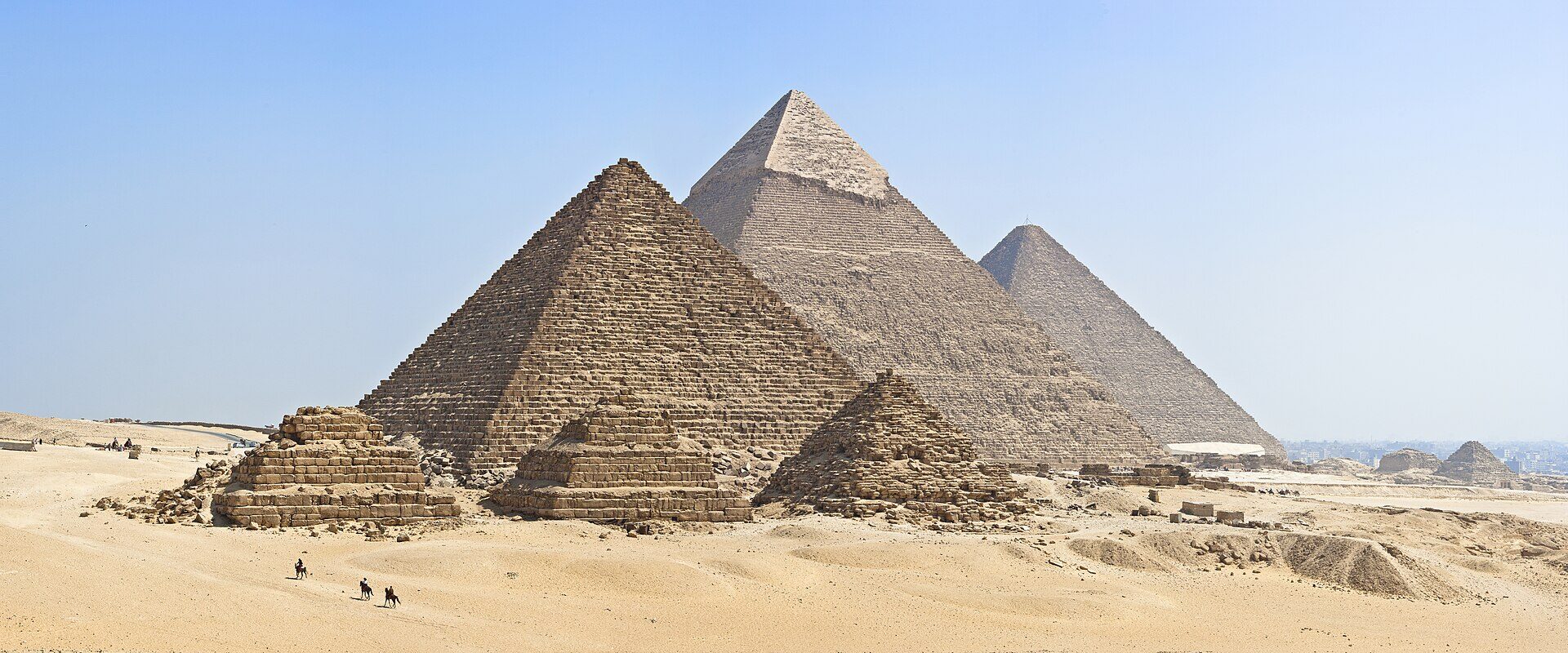
The Pyramids of Giza are the only surviving Wonder of the Ancient World and the most immediately recognisable structures on earth, three massive royal tombs built on the Giza Plateau on the west bank of the Nile about 12km southwest of central Cairo between 2560 and 2510 BC by the pharaohs Khufu (Cheops), Khafre and Menkaure. In fact, the Great Pyramid of Khufu, 146.6 metres in its original height (now 138.8 metres after the loss of the outer limestone casing and capstone), built from about 2.3 million limestone and granite blocks averaging 2.5 tonnes each, was the tallest structure on earth for about 3,800 years.
Generally, the scale, precision and endurance of these structures after 4,500 years, combined with the remaining uncertainty about specific construction methods, make them the most discussed and most studied buildings in the history of architecture.
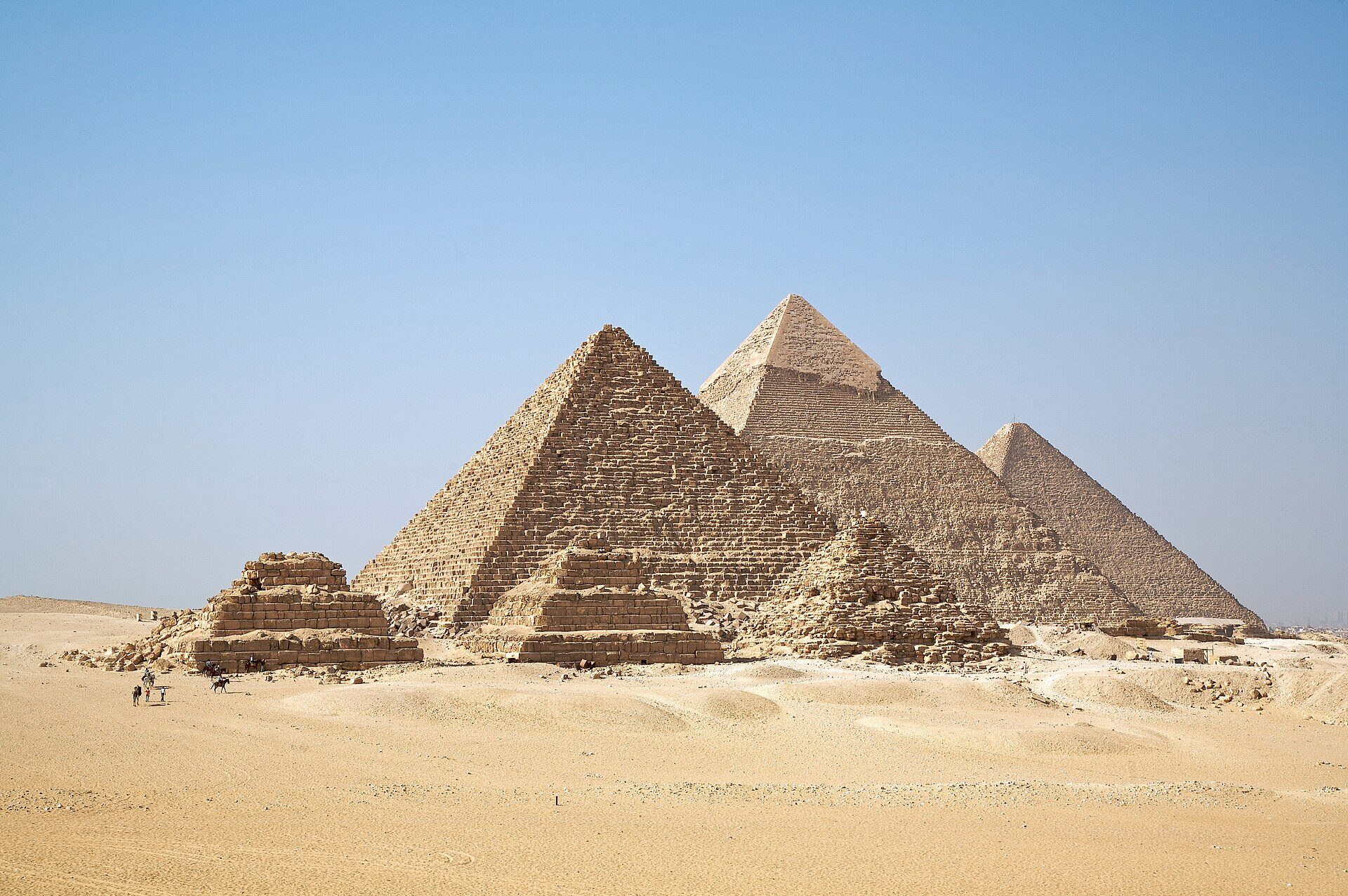
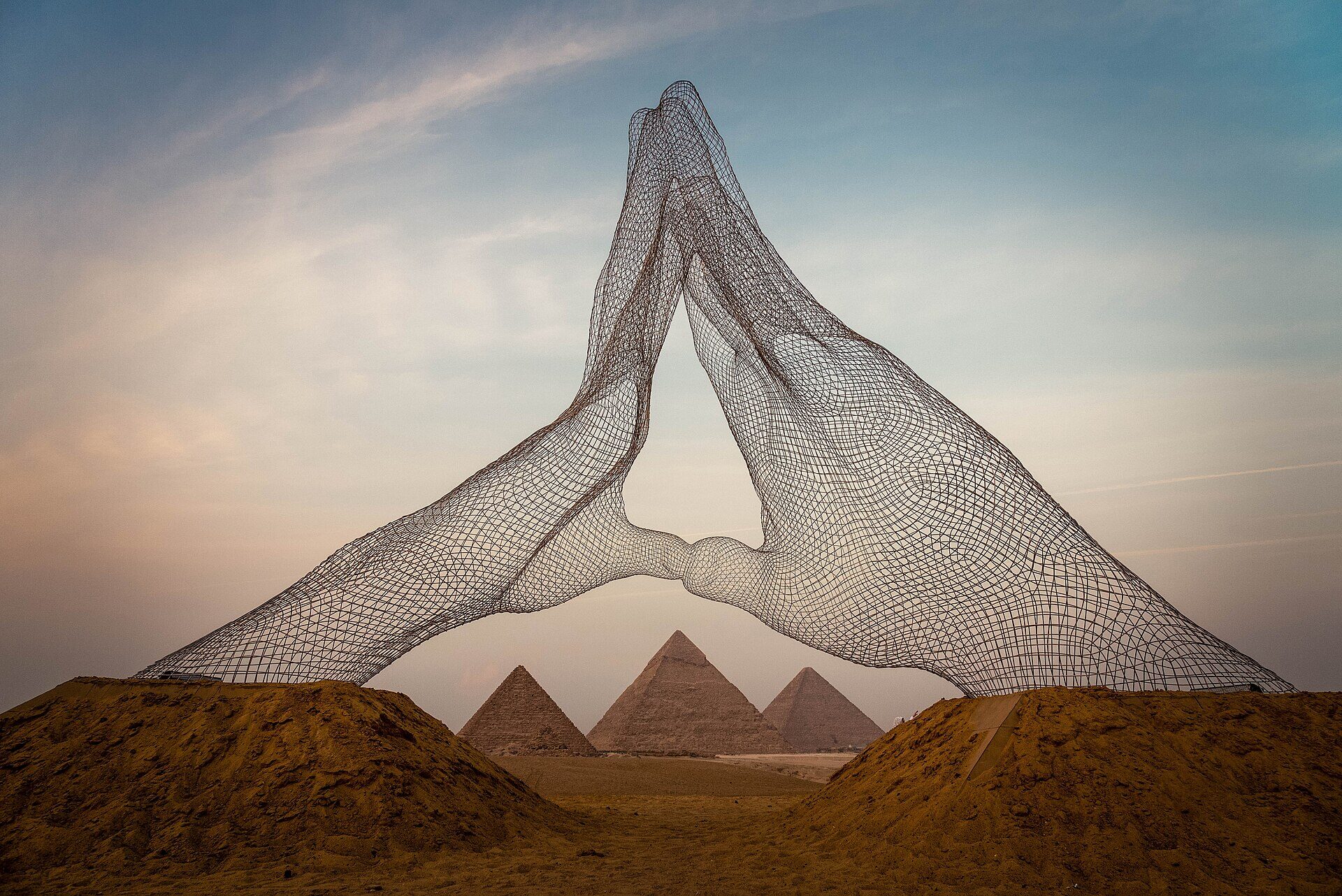
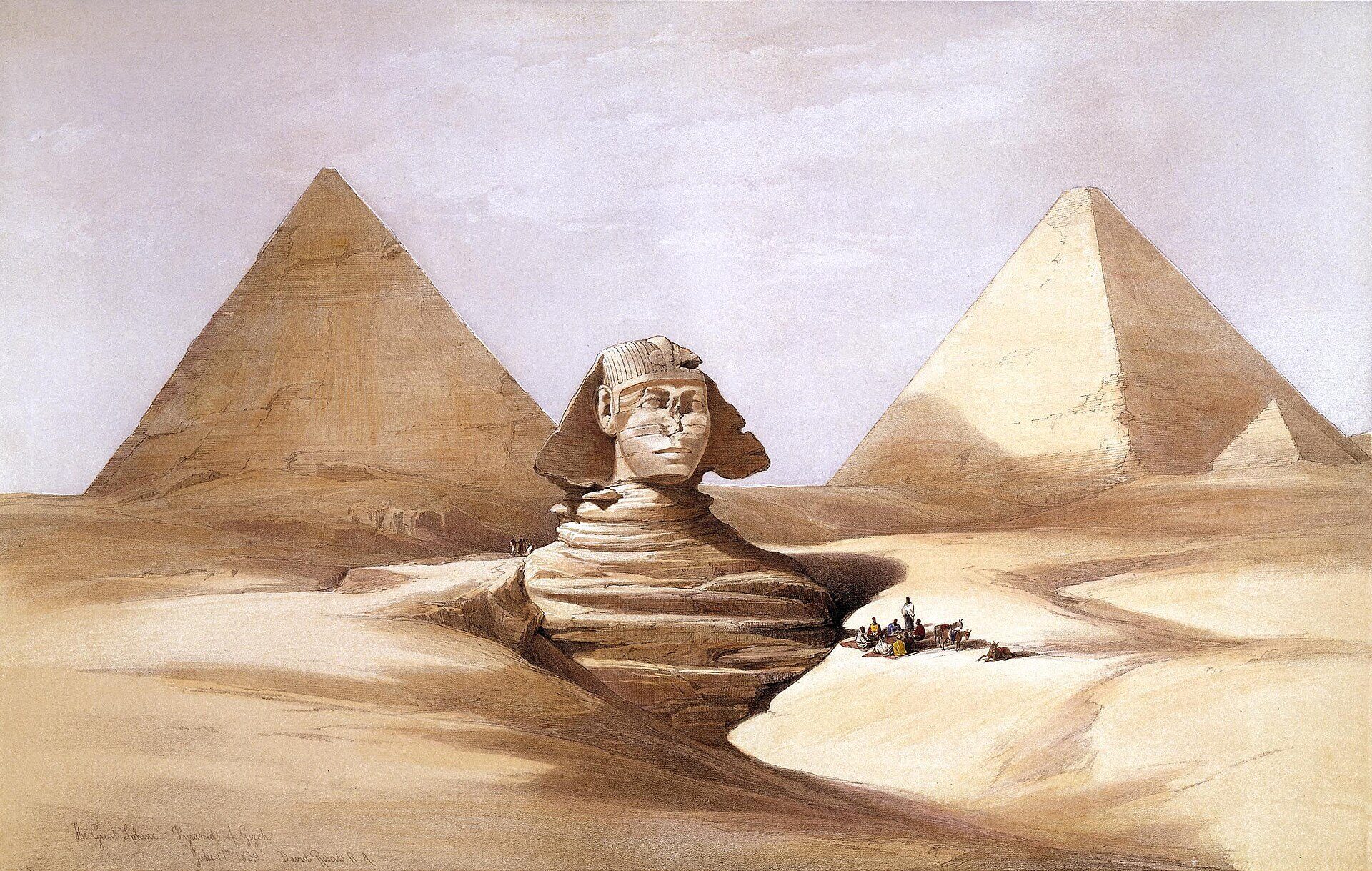
Great Pyramid of Khufu
The Great Pyramid of Khufu (entry EGP 400 for interior access) can be entered through the original descending passage and the later ascending passage cut by medieval treasure hunters, the interior passages lead to the Grand Gallery (a corbelled limestone corridor 47 metres long and 8.5 metres high) and then to the King's Chamber, a room of polished Aswan granite containing the empty sarcophagus of Khufu, its granite lid missing since antiquity.
In addition, the air inside the pyramid is hot (about 28–30°C), the passages are narrow and require crouching in the lower sections, and the experience of standing in the King's Chamber at the heart of the largest stone building ever constructed, the millions of tonnes of stone above you, the 4,500 years of history in the walls, is one of the most outstanding architectural experiences available anywhere in the world.
Great Sphinx
The Great Sphinx (free with Giza plateau entry) is the largest monolithic statue in the world, a figure of a recumbent lion with a human head (traditionally identified as Khafre) carved from a single limestone outcrop 73.5 metres long and 20 metres high, probably during Khafre's reign (about 2558–2532 BC) as the guardian of his pyramid complex. Moreover, the nose was not shot off by Napoleon's artillery (a persistent myth), contemporary drawings from the early 18th century already show the nose missing.
Also, later documents suggest it was destroyed by an Islamic cleric in the 14th century. The Sphinx faces due east, toward the rising sun, and at the spring and autumn equinoxes the sun rises directly in line with the Sphinx's gaze, a solar alignment that may have been deliberate.
Solar Boat Museum
In general, the Solar Boat Museum (adjacent to the Great Pyramid, entry about EGP 100) contains one of the most remarkable objects in Egypt, a 43.3-metre cedar boat buried in a pit beside Khufu's pyramid about 4,500 years ago and disassembled into 1,224 pieces, reassembled over 14 years between 1957 and 1971, and displayed intact in the museum built directly over the pit where it was found. Besides, the boat (likely used in the funeral procession to carry Khufu's body across the Nile) is the best and largest surviving example of ancient Egyptian wooden construction and gives an immediate physical sense of the woodworking sophistication of the Old Kingdom period.
Sound and Light Show
The Sound and Light Show (held at the Sphinx and pyramid site three times nightly, about EGP 350 per person) illuminates the pyramids and tells the story of ancient Egypt through the 'voice of the Sphinx' in a theatrical production that is simultaneously kitsch and moving, the 4,500-year-old stones lit against the desert night sky and the scale of what was built here combining to create an emotional response that the daylight visit (crowded, commercialised) often fails to produce. Tickets are available at the site entrance.
The pyramids are most effectively visited in the early morning (opening time is 8 AM, arriving by 7:30 for the queue) before the heat becomes extreme and before the large tourist groups from Cairo hotels arrive. By 10 AM the plateau can feel crowded and the horse and camel touts become insistent. A complete visit (exterior pyramids, interior of Great Pyramid, Sphinx, Solar Boat Museum) requires about 4 hours. The panorama viewpoint on the desert road south of the plateau (accessible by car or horse) gives the only view that captures all three pyramids in a single composition. Also, the standard postcard image of Giza is taken from this point.
Pyramids of Giza tickets and prices
Here is what a visit to the Pyramids of Giza costs. Prices are per person unless noted. Because they change with the season, treat them as a guide.
| Ticket or service | Price |
|---|---|
| Giza Plateau entry (all pyramids + Sphinx) (UNESCO site · Open 8 AM–5 PM) | EGP 400–600 (USD 8–12) |
| Great Pyramid (Khufu) interior (Limited daily tickets · Book early · Steep/narrow) | EGP 400 extra |
| Solar Boat Museum (Khufu's boat) (Actual 4,500-year-old cedar boat · Adjacent to Great Pyramid) | EGP 200 extra |
| Ticket or service | Price |
|---|---|
| Egyptian nationals (discounted) (Significant discount for Egyptian ID holders) | EGP 40–60 |
| Ticket or service | Price |
|---|---|
| Camel or horse ride on the plateau (Negotiate price firmly · GEP 200–500/30 min) | EGP 200–500 |
| Licensed Egyptologist guide (Ministry of Tourism licensed · Half day) | USD 40–80 |
| Sound and Light Show (evening) (Narrated history with illuminated monuments) | EGP 400–600 |
ℹ Prices in Egyptian Pound (EGP) . Confirm rates before visiting.
How to get to the Pyramids of Giza
These are the easiest ways to reach the Pyramids of Giza, with typical costs and times.
Uber/Careem from Cairo
Most practical. Use app for transparent pricing to Giza Plateau entrance gate. Traffic can extend to 60+ min during peak hours.
Cairo Metro to Giza + taxi
Metro Line 2 to Giza Station, then microbus or shared taxi to plateau gate.
Tour bus from Cairo hotel
Most Cairo hotels offer Giza half-day tours (2–3 hours at the site). Convenient but less flexible than self-visit.
Best time to visit the Pyramids of Giza
The best time to visit the Pyramids of Giza is November to March. April to May and September to October also work well if your dates are fixed.
- Jan
- Feb
- Mar
- Apr
- May
- Jun
- Jul
- Aug
- Sep
- Oct
- Nov
- Dec
BestGoodFairAvoid
(Oct–Apr: 15–30°C) · Good (May, Sep) · OK (Jun–Aug: 35–42°C, very hot)
Tips for visiting the Pyramids of Giza
These tips make a visit to the Pyramids of Giza easier, especially if it is your first time.
Arrive at 8 AM Opening on a Weekday
The Giza Plateau at 8 AM on a Tuesday or Wednesday, the tour buses arrive after 9:30 AM. Besides, the first 90 minutes give the closest approximation to solitude available at the world's most visited archaeological site.
Hire a Horse for the Desert Panorama View
Besides, the famous wide-angle photograph showing all three pyramids with desert behind is taken from the western edge of the plateau. A licensed horse ride from the stable entrance takes you there in 20 minutes (negotiate EGP 200–400).
The Solar Boat Museum Is Extraordinary
Adjacent to the Great Pyramid, the Solar Boat Museum contains Khufu's actual 43-metre cedar funeral boat, 4,500 years old, reassembled from 1,224 pieces. The best single object near the Pyramids. EGP 200 extra.
A Good Guide Changes Everything
Without context, the Pyramids are large piles of stone. In fact, with an Egyptologist who can explain the construction engineering, the workforce, the religious programme and the interior layout, they become one of the most intellectually fascinating sites on earth.
Negotiate Everything — Firmly But Calmly
Camel and horse riders, "guides" and vendors will approach continuously. Set your price clearly and calmly before accepting any service. Generally, the licensed guide rate is USD 40–80 for a half day.
Sound and Light Show for Evening Context
Also, the evening Sound and Light Show at the Sphinx (EGP 400–600) illuminates the monuments dramatically and provides a theatrical historical narrative. Better than expected and the best way to see the plateau at night.
Where to stay near the Pyramids of Giza
If you want to stay close to the Pyramids of Giza, start with these hotels. Rates are rough nightly guides, so check before you book.
Marriott Mena House (Giza) ★★★★★
USD 200–500/nightGiza Plateau, Pyramid views from rooms
The best hotel position in Egypt, within the Giza Plateau compound with Pyramid views from the pool and many rooms. Historic 1869 palace.
Sofitel Legend Old Cataract (Aswan) ★★★★★
USD 250–600/nightAswan, Nile and Elephantine Island views
One of Africa's great historic hotels, Agatha Christie wrote here, the terrace overlooks the Nile and the Aga Khan Mausoleum. Outstanding atmosphere.
Steigenberger Nile Palace (Luxor) ★★★★★
USD 100–200/nightLuxor, Nile frontage, 10 min to Temple
Best Luxor hotel with Nile pool views. Central location for Luxor and Karnak temples.
Nefertiti Hotel (Luxor) ★★★
USD 25–60/nightLuxor city centre
Best value hotel in Luxor, clean rooms, good breakfast and rooftop terrace with Luxor Temple view. Popular with independent travellers.
Arabian Nights Hotel (Cairo) ★★★
USD 30–70/nightCairo near Egyptian Museum
Reliable budget option in central Cairo near the Egyptian Museum and Tahrir Square.
Pyramids of Giza: frequently asked questions
How much does entry to the Pyramids cost?
Giza Plateau entry (all three pyramids, Sphinx area): EGP 400–600 (about USD 8–12). Great Pyramid interior: EGP 400 extra. Khafre interior: EGP 100 extra. Solar Boat Museum: EGP 200 extra. Also, the Egyptian Museum in Cairo (separate visit) EGP 300–400.
How do I get to the Pyramids from Cairo?
Taxi from central Cairo (Uber/Careem app): EGP 100–200 (USD 2–4), 30–45 minutes. Metro to Giza station then microbus or taxi: EGP 20–50 total. The plateau entrance is on the eastern edge of the Giza necropolis.
Can I go inside the pyramids?
In addition, the Great Pyramid of Khufu interior is accessible (EGP 400 extra, limited daily tickets). Generally, the interior passage is narrow and steep, claustrophobic, warm and physically demanding. The experience is real but the interior is essentially bare stone. In addition, the exterior view is far more impressive.
What is the best time to visit?
Arrive at opening (8 AM) on weekdays for minimal crowds. Moreover, you can reach the Pyramids on horseback from the stables at the western entrance for a sunrise desert view. Avoid Fridays (most crowded) and midday heat (March–September).
What are the opening hours of the Pyramids of Giza?
Pyramids of Giza is open 8 AM – 5 PM daily. Hours can change during Ramadan and public holidays, so check before you travel.
Updated October 2026. Prices and opening hours change, so check the official website or the official Egypt tourism site before you travel. Spotted a mistake? Tell us and we will fix it.
Photos: KennyOMG / CC BY-SA 4.0 via Wikimedia Commons; Ricardo Liberato / CC BY-SA 2.0 via Wikimedia Commons; Mona Hassan Abo-Abda / CC BY-SA 4.0 via Wikimedia Commons; David Roberts / Public domain via Wikimedia Commons.