 Dubai
Thinking about visiting a Dubai desert safari? Dune bashing, camel rides and dinner under the stars in the Lahbab Desert. This guide covers what it costs, opening hours, the best months to go and practical tips.
At a glance
- Entry
- AED 150 per person (standard)
- Opening hours
- Evening: pickup 3:30–5PM. Return ~10PM
- Time needed
- 6–7 hours total
- Best time
- October to March
What to expect at a Dubai desert safari
A Dubai Desert Safari is one of the UAE's most popular and most celebrated experiences, a 6-hour evening journey from the city into the Dubai Desert Conservation Reserve that combines the raw physical thrill of dune bashing with the serene beauty of a desert sunset, an authentic Bedouin-style camp dinner, cultural performances under the stars, and camel riding. Moreover, for many visitors, it becomes the single most memorable experience of their Dubai trip.
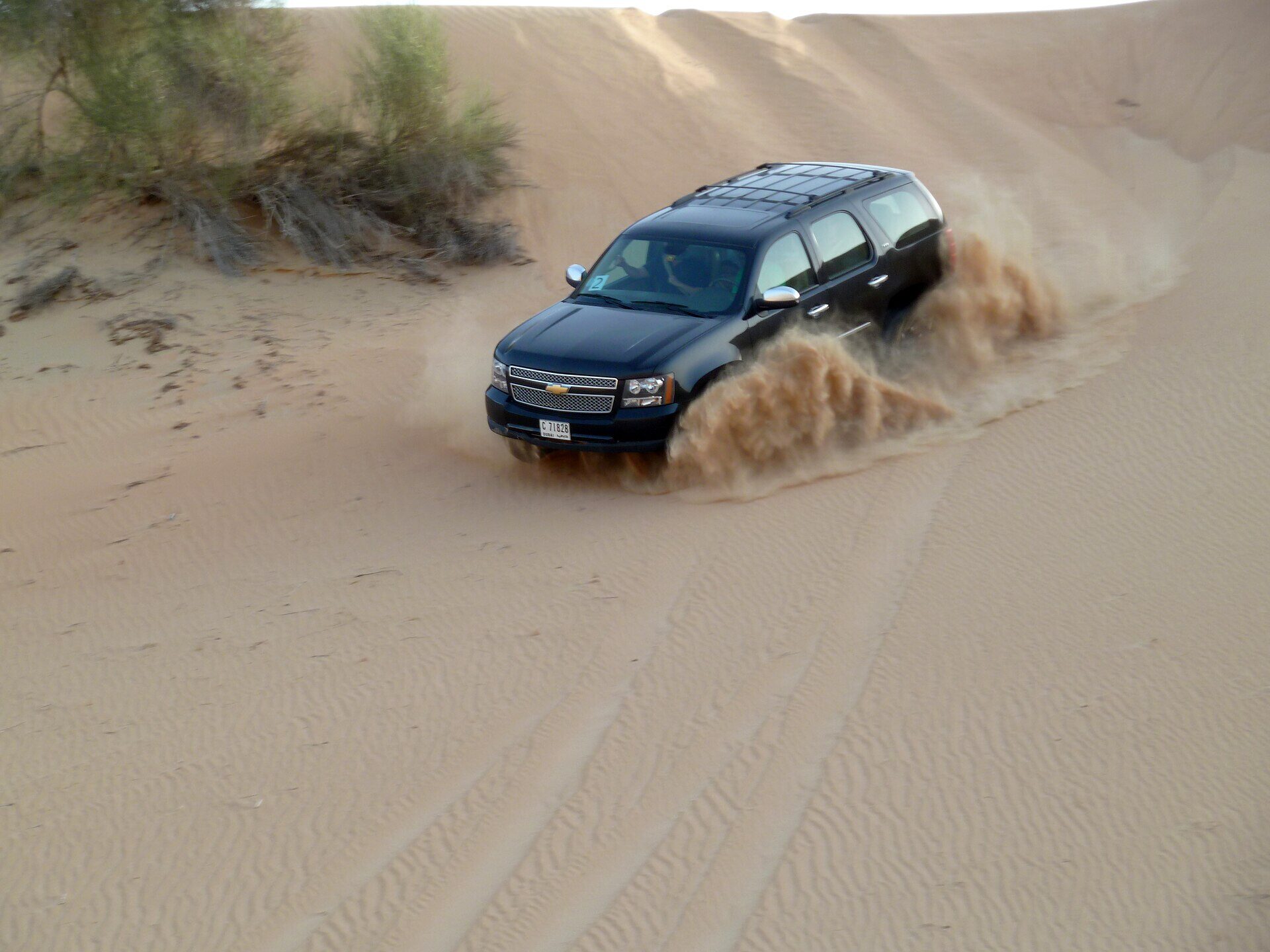
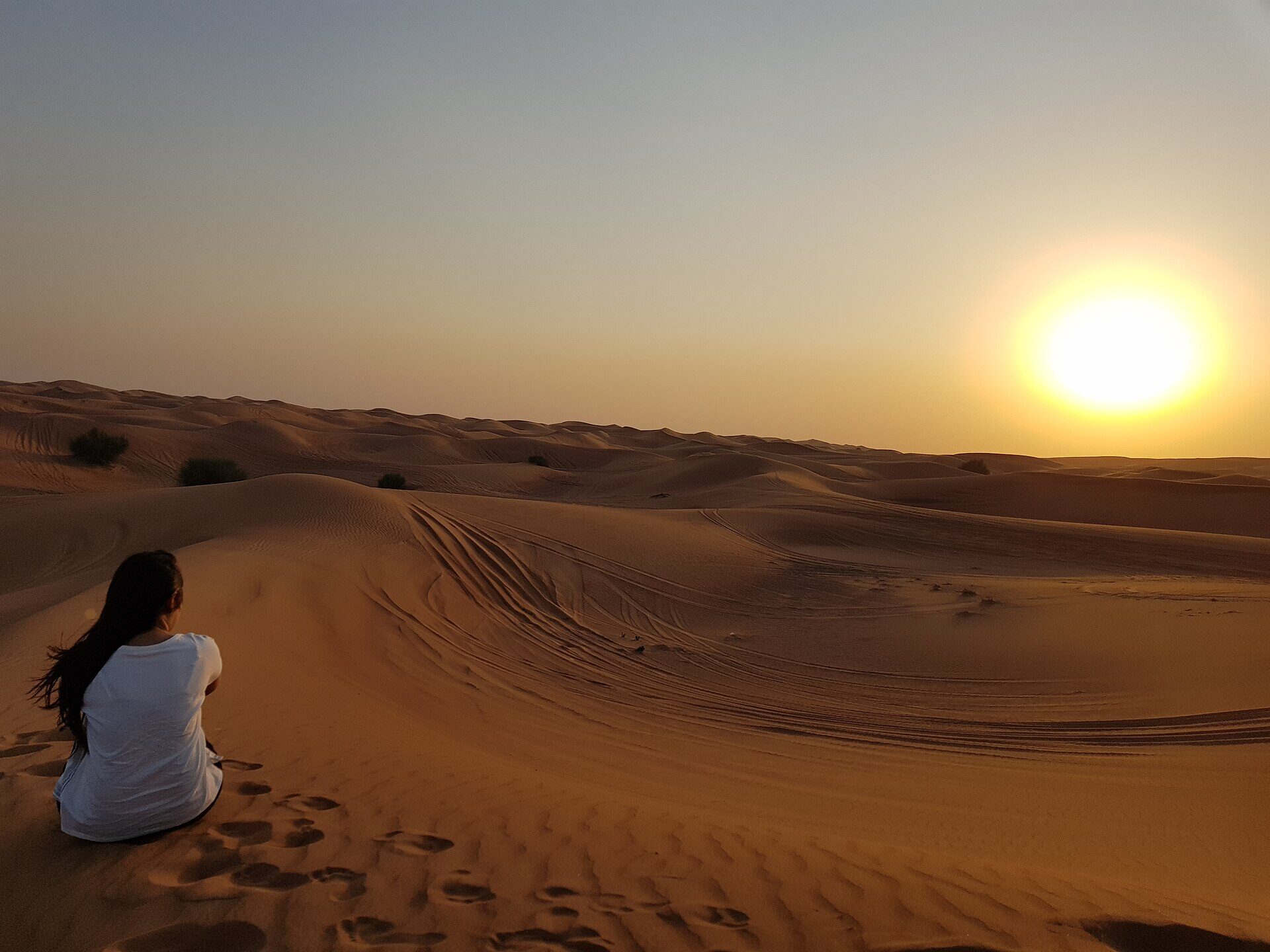
What Happens on a Desert Safari
Standard evening desert safaris follow a well-established format, though quality and detail vary noticeably between operators. Hotel pickup typically occurs between 3:30–4:30 PM, depending on the season's sunset time. The convoy of 4WD vehicles, usually Land Cruisers or similar, drives about 45–55 minutes into the desert, with a brief roadside photo stop at the first significant dunes before arriving at the main dune bashing area.
Dune bashing
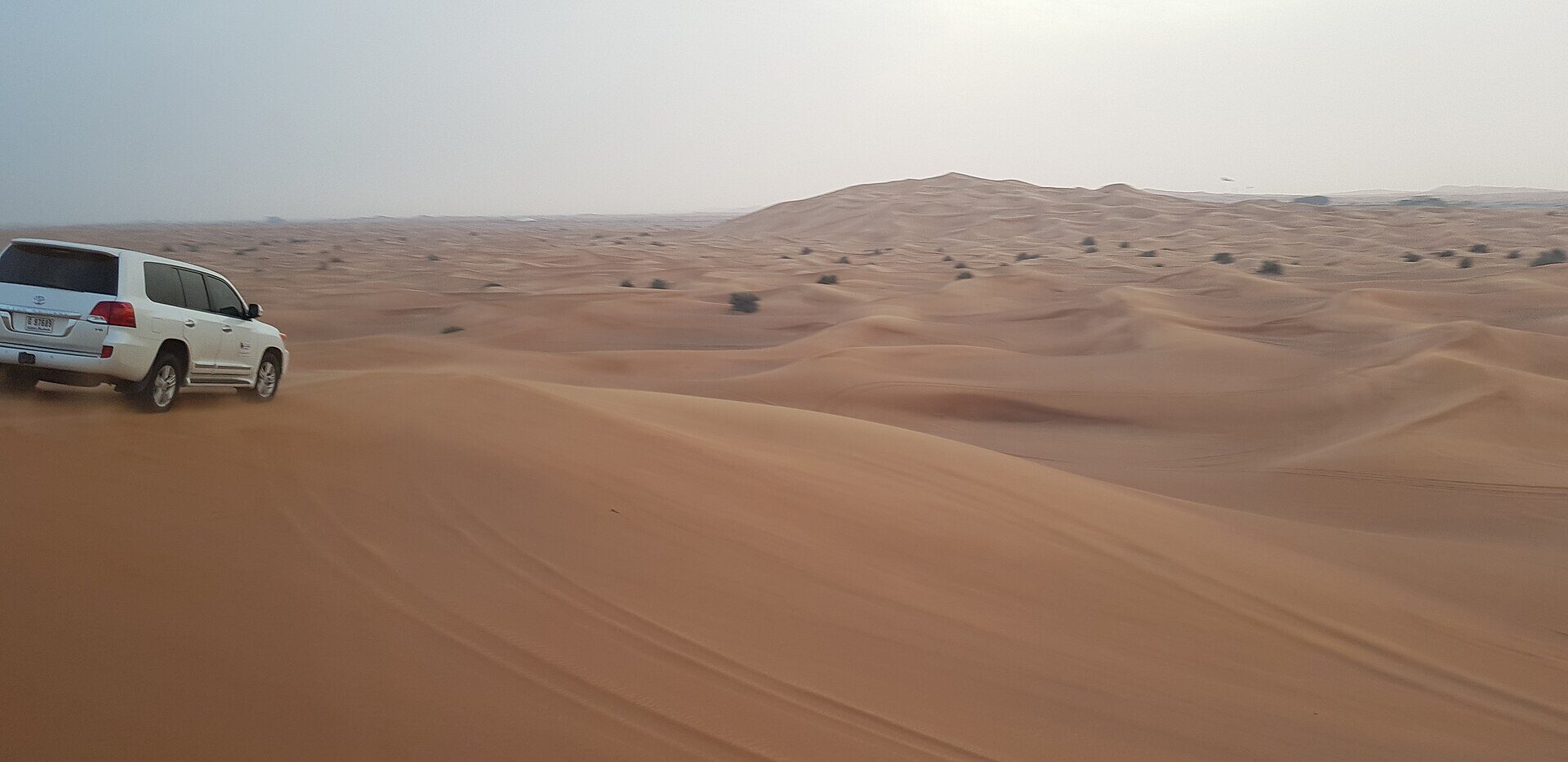
Dune bashing lasts about 30–45 minutes and involves your driver, who will have deflated the tyres to between 18–22 PSI for optimal traction in soft sand, navigating a route across and through the red sand dunes of the Dubai Conservation Reserve. Generally, the experience varies from gently undulating to vertiginous depending on the driver's skill and inclination. Experienced dune bashing drivers work with experienced precision, choosing lines that appear impossibly steep from the passenger seat but are executed with complete control. The experience produces involuntary laughter, occasional screaming, and a significant adrenaline surge that lasts long after the vehicle stops.
The Desert Camp
After dune bashing, the convoy arrives at the desert camp, typically a large, open-sided tent complex set among the dunes. Standard camp activities include camel riding (usually 10–15 minutes. The camel's lurch as it stands and sits is a favourite memory for most visitors), sandboarding on nearby dunes, a henna artist applying traditional designs, shisha (flavoured tobacco water pipe, optional), and the opportunity to dress in traditional Arabic clothing for photographs.
In addition, the buffet dinner typically begins as the sun sets and runs through the evening, featuring Arabic and Indian-influenced dishes: grilled meats (lamb kofta, chicken tikka, kebabs), rice, fresh salads, hummus, fresh bread and desserts. Unlimited soft drinks, water, tea and Arabic coffee (qahwa, flavoured with cardamom and saffron) are included. Quality varies considerably between operators, premium safaris typically offer far better food, smaller groups and more attentive service.
Evening Entertainment
The entertainment programme at the camp typically begins after dinner and includes two or three of the following: a Tanoura performance, a hypnotic spinning dervish dance in which the performer whirls continuously for 20–30 minutes while manipulating elaborate, colourfully lit skirts. Besides, a belly dancing performance, typically by a skilled professional dancer. And a fire show featuring juggling, spinning and body contact with fire. These performances are held on an open-air stage with the starlit desert sky as backdrop. The quality of performances varies, but good operators bring skilled professionals who deliver impressive shows.
Choosing Your Safari Type
Also, the standard evening safari (AED 150–180 per person) delivers the core experience well. Premium evening safaris (AED 250–350) offer smaller groups, private or semi-private camps, better quality food, more skilled drivers, and more attentive service, worthwhile for couples, special occasions or visitors who want to avoid the mass-tourism atmosphere of the budget camps.
For the most spectacular experience, an overnight desert safari (AED 400–800 per person) allows you to sleep in the camp, wake to a desert dawn, and experience the outstanding silence and beauty of the desert in the hours around sunrise, something the evening safari cannot provide. Morning safaris (AED 100–150) offer a shorter experience with sunrise, quad biking and sandboarding without the cultural programme of the evening version.
The Dubai Desert Conservation Reserve covers 225 square kilometres of protected desert ecosystem. Also, all safari operators must be licensed and operate within designated zones. The reserve also protects populations of Arabian Oryx, sand gazelles and various desert bird species, a knowledgeable guide will often be able to point out animal tracks and plant life that most visitors would otherwise miss entirely.
Practical Information
All reputable operators include hotel pickup and drop-off in the price. Safaris typically run 7 days a week throughout the year, though summer safaris (June–September) involve extreme afternoon heat, operators adjust timing accordingly, with pickup often moved to 5–6 PM. The desert can be surprisingly cold after sunset in the winter months (November–February), bring a light jacket for the post-sunset period and the drive home. Photography is excellent throughout, bring a camera and consider the sunset timing when planning.
Desert safari tickets and prices
Here is what a visit to a Dubai desert safari costs. Prices are per person unless noted. Because they change with the season, treat them as a guide.
| Ticket Type | Adult | Child (3–12) | Notes |
|---|---|---|---|
| Standard Evening Safari | AED 150–180 | AED 100–130 | Hotel pickup + dinner + shows |
| Premium Evening Safari | AED 250–350 | AED 180–240 | Private camp, better food & service |
| VIP Private Safari | AED 400+ | AED 300+ | Exclusive vehicle + private camp |
| Overnight Desert Safari | AED 400–800 | AED 300–600 | Includes breakfast, sleeping in camp |
| Morning Safari | AED 100–150 | AED 75–110 | Sunrise, sandboarding, no dinner |
Desert safari opening hours
| Day | Hours |
|---|---|
| Evening Safari Pickup | 3:30 PM – 5:00 PM (seasonal) |
| Evening Safari Return | 9:30 PM – 10:30 PM |
| Morning Safari Pickup | 5:30 AM – 6:00 AM |
Hours shift on public holidays and during Ramadan. Check the official website on the day you go.
Best time to visit a Dubai desert safari
The best time to visit a Dubai desert safari is October to March. April and September also work well if your dates are fixed. If you can, avoid June to August because of the summer heat.
- Jan
- Feb
- Mar
- Apr
- May
- Jun
- Jul
- Aug
- Sep
- Oct
- Nov
- Dec
BestGoodFairAvoid
Tips for visiting a Dubai desert safari
These tips make a visit to a Dubai desert safari easier, especially if it is your first time.
Time Sunset Perfectly
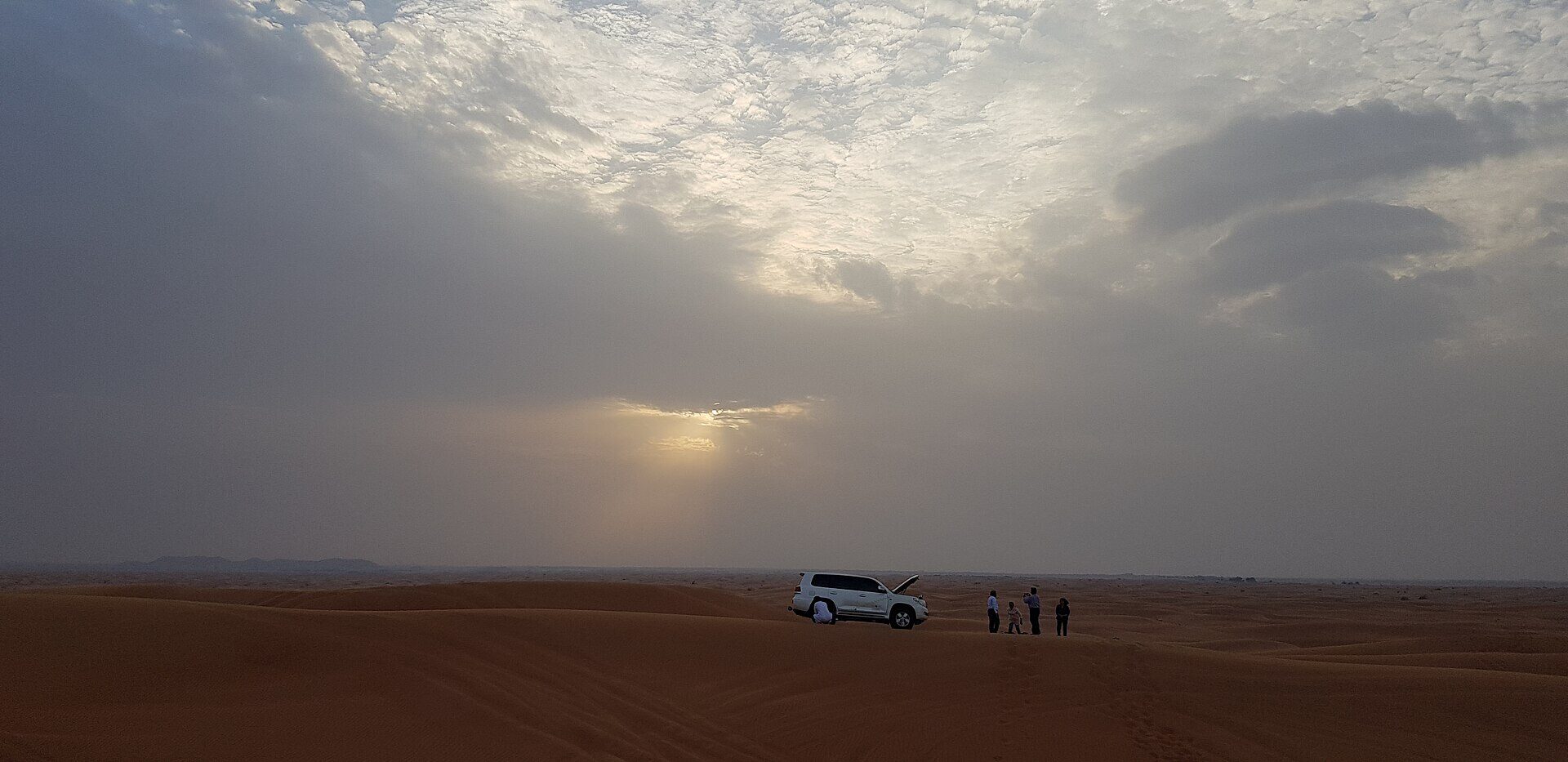
The desert at the 30 minutes before and after sunset is at its most beautiful. Request your driver stops at a high dune for the sunset moment, most good drivers do this automatically.
Dress for the Temperature
Light clothing for the afternoon drive, but bring a light layer, the desert drops noticeably in temperature after sunset, especially November–February.
Research Your Operator
Quality varies enormously between operators. Spend 20 minutes reading recent reviews on TripAdvisor before booking. Besides, the difference between a AED 80 and AED 200 safari is very significant.
Camera Essentials
Golden hour desert photography is outstanding. Bring a camera with a wide angle lens or a phone with a good camera. A tripod or gorillapod helps for night shots at the camp.
Motion Sickness
If you are prone to motion sickness, take medication before the safari. Also, the dune bashing can aggravate susceptibility. Sitting in the front seat helps. Inform your driver beforehand.
Stay for the Stars
After the entertainment finishes, sit quietly away from the camp lights and look up. Moreover, the Milky Way is visible from the desert on a clear, moonless night, one of the most beautiful things in the world.
Where to stay near a Dubai desert safari
If you want to stay close to a Dubai desert safari, start with these hotels. Rates are rough nightly guides, so check before you book.
The Address Downtown Dubai
AED 1,200 / night from
Armani Hotel Dubai
AED 1,800 / night from
Sofitel Dubai Downtown
AED 850 / night from
Desert Palm Dubai (near desert)
AED 1,600 / night from
Al Maha Desert Resort & Spa
AED 3,500 / night from
Bab Al Shams Desert Resort
AED 2,200 / night from
Desert safari: frequently asked questions
How much does it cost to visit a Dubai desert safari?
Prices for a Dubai desert safari start from AED 150 per person (standard). Standard Evening Safari: AED 150–180; Premium Evening Safari: AED 250–350; VIP Private Safari: AED 400+. Also, booking online is usually cheaper than paying at the gate.
What are the opening hours of a Dubai desert safari?
Desert safari is open evening: pickup 3:30–5PM. Return ~10PM. Hours can change during Ramadan and public holidays, so check before you travel.
When is the best time to visit a Dubai desert safari?
The best time to visit a Dubai desert safari is October to March. April and September also work well if your dates are fixed. If you can, avoid June to August because of the summer heat.
How long do you need at a Dubai desert safari?
Plan on 6–7 hours total for a Dubai desert safari. Also, add a little extra if you want photos at quieter times.
How do you get to a Dubai desert safari?
Hotel pickup & return included. Taxis and ride-hailing apps are the easiest option if you are short on time.
Updated October 2026. Prices and opening hours change, so check the official website or the official UAE tourism site before you travel. Spotted a mistake? Tell us and we will fix it.
Photos: Grocerbix / CC BY-SA 4.0 via Wikimedia Commons; Grocerbix / CC BY-SA 4.0 via Wikimedia Commons; Rob Young from United Kingdom / CC BY 2.0 via Wikimedia Commons; Grocerbix / CC BY-SA 4.0 via Wikimedia Commons.