Egypt
Best Places in Egypt
5 Complete Guides
From the Pyramids of Giza to Abu Simbel's solar temples — complete guides to Egypt's most extraordinary ancient monuments.
5
Guides
3
Cities
30+
Reviews each
Free
Always
Complete guides to Egypt's ancient wonders — real ticket prices, best times and practical visiting tips.
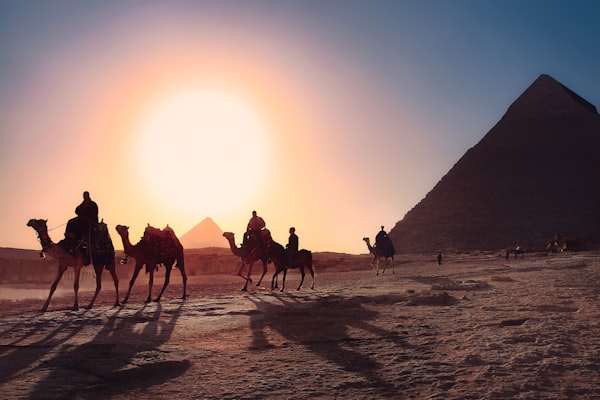
Egypt contains more significant ancient monuments per square kilometre than any other country on earth — a direct consequence of 3,000 years of the most literate, most architecturally ambitious and most architecturally durable ancient civilisation in human history. The Pyramids of Giza, the only surviving Wonder of the Ancient World, have stood for 4,500 years; the temples of Luxor and Karnak have been visited by curious travellers for 2,500 years; Abu Simbel's rock-cut colossi were already ancient when the Romans first saw them.
The Nile Valley from Cairo to Aswan concentrates ancient Egyptian heritage in a 1,000km corridor that can be visited independently (by train, bus or Nile cruise) in a week. Cairo gives access to the Pyramids and the Egyptian Museum; Luxor (ancient Thebes) is the greatest open-air museum in the world, with temples and tombs on both banks of the Nile; Aswan has the Nubian culture and the engineering marvel of Abu Simbel relocated to save it from the Aswan High Dam reservoir.