 Pakistan
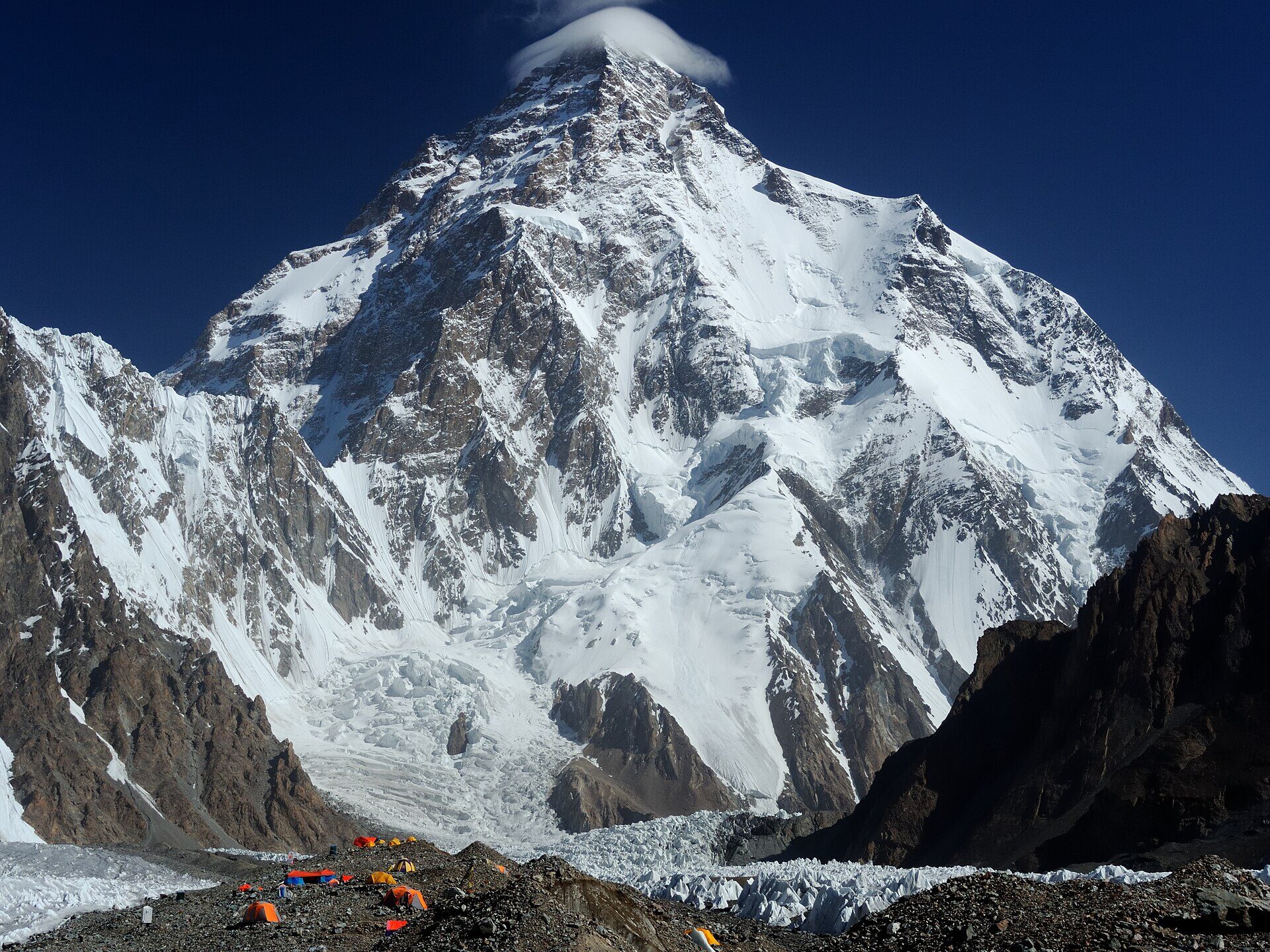
Heading to the Hunza Valley? One of the world's most spectacular mountain valleys, surrounded by peaks exceeding 7,000 metres including Rakaposhi, Ultar Sar and the distant K2 range. Located on the ancient Silk Road in Gilgit-Baltistan, Pakistan. This guide covers what it costs, the best months to go, how to get there and practical tips.
At a glance
- Entry
- PKR 500 foreigners / PKR 200 nationals
- Best time
- April to June and September to October
- Location
- Karimabad, Hunza, Gilgit-Baltistan
What to expect at Hunza
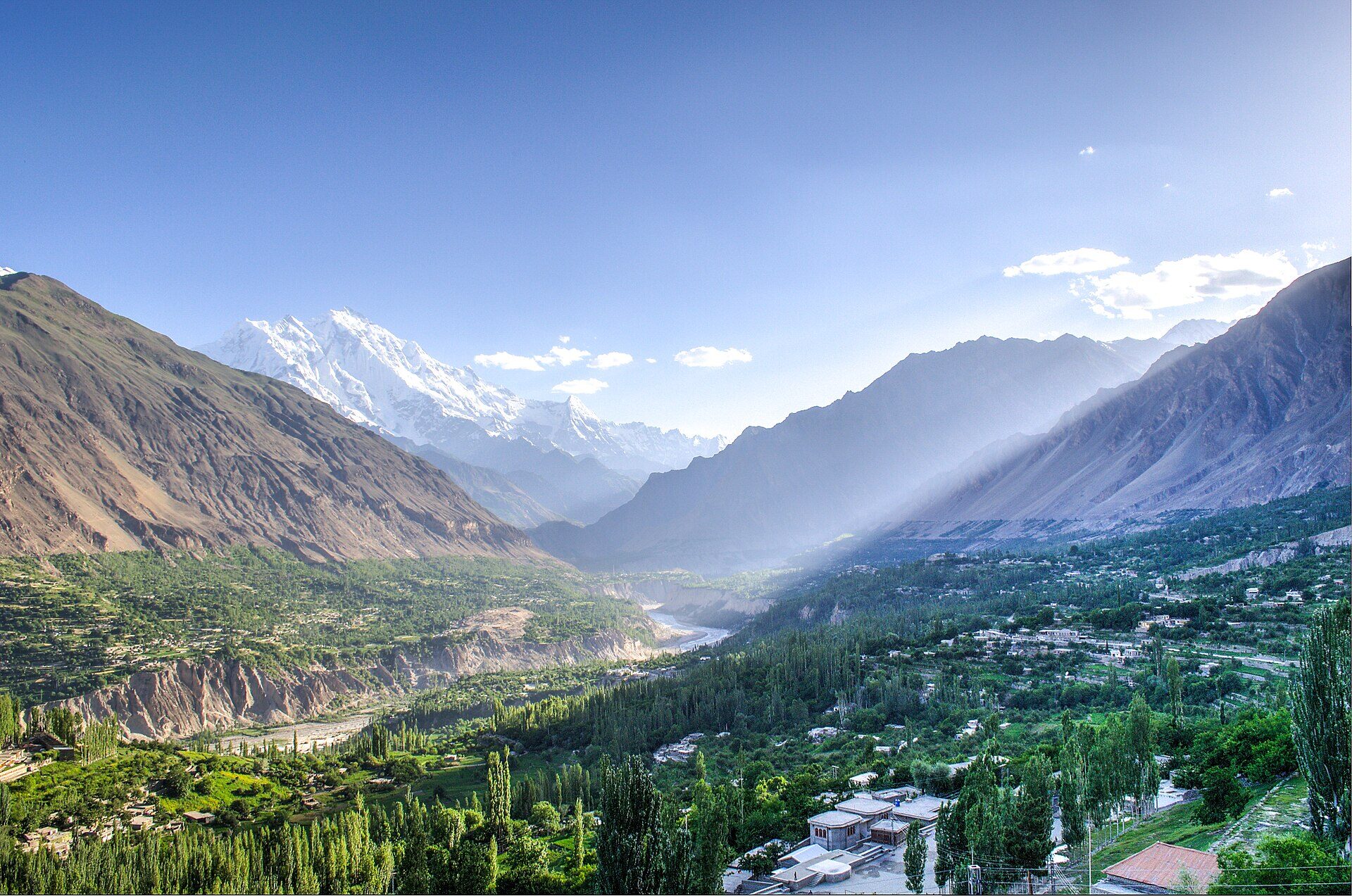
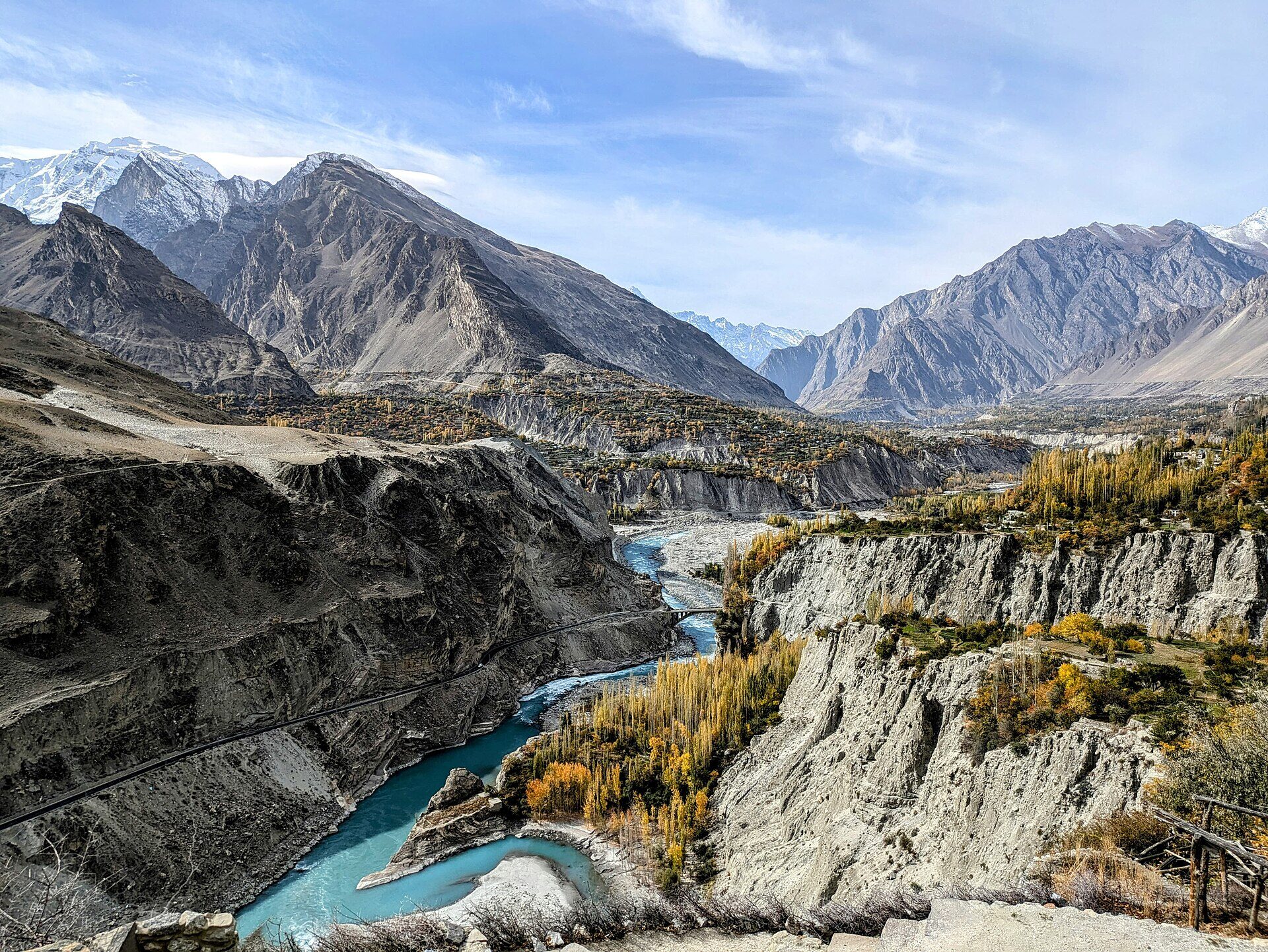
Hunza Valley is perhaps the most beautiful inhabited valley on earth, a 100km long green corridor carved between the Karakoram, Hindukush and Himalayan mountain ranges at altitudes between 2,400 and 3,100 metres, overlooked by peaks that include Rakaposhi (7,788m, 'Mother of Mist' in the local Burushaski language), Ultar Sar (7,388m), Bojahagur Duanasir II (7,329m) and Diran (7,266m), with the ancient Silk Road, the trade route linking China to Central Asia and ultimately to Rome, threading through the valley floor for over 2,000 years.
Besides, the combination of striking mountain scenery, a temperate fruit-growing microclimate, a unique culture and language (Burushaski, spoken nowhere else on earth), and a recently installed road access via the Karakoram Highway makes Hunza one of the most remarkable destinations in the world.
In addition, the valley's apricot orchards are its defining visual signature at certain times of year. In spring (late March to mid-April), the apricot trees bloom simultaneously in a white flower display that covers the valley terraces and lower slopes in a spectacle that has attracted travellers since the accounts of 19th-century British explorers first brought Hunza to outside attention. In autumn (September to early October), the same trees and the poplar forests turn gold and orange in an equally spectacular foliage display before the valley enters its long mountain winter.


Practical notes
The apricots themselves, sun-dried on the rooftops in July and August, eaten fresh from the tree in June, are among the finest in the world, the specific combination of altitude, sunlight and the mineral composition of the glacier meltwater irrigation producing a flavour that is impossible to replicate at lower elevations.
Baltit Fort
Baltit Fort, the ancient capital of the Hunza state perched on a rocky outcrop above the village of Karimabad, dates from at least the 8th century in its original form, with the current structure built and rebuilt over the following twelve centuries. In addition, the fort served as the residence of the Mirs (rulers) of Hunza for over 700 years. The last Mir vacated it in 1945 after the completion of the new Altit Fort below.
Also, the Aga Khan Trust for Culture undertook a major restoration of Baltit Fort in the 1990s. Also, the building is now one of the finest examples of restored vernacular Central Asian mountain architecture accessible to visitors in Pakistan. Entry (about PKR 200–300) includes access to the fort's multiple floors, its ceremonial rooms, the view terrace overlooking the valley and a small museum of Hunza royal history.
The Karakoram Highway (KKH), the road that made Hunza accessible to non-military travellers, is itself one of the engineering achievements of the 20th century, a two-lane mountain road connecting Islamabad to the Chinese border at Khunjerab Pass (4,693m, the world's highest paved international border crossing), completed in 1978 after 20 years of construction by Pakistani and Chinese engineers working in some of the most technically challenging terrain on earth.
Making the most of it
The drive from Islamabad to Karimabad (the main town of Hunza) takes about 18–22 hours in good conditions, an experience that is for many travellers as memorable as the destination itself, the scenery transitioning from the Indus plains through the Kaghan Valley to the increasingly dramatic Karakoram gorges as the road gains altitude toward Hunza.
Eagle's Nest viewpoint
Also, the Eagle's Nest viewpoint, at 3,200m above Karimabad, accessible by jeep or a 2-hour hike from the town, provides the most comprehensive panoramic view of Hunza available from any accessible point, the full length of the valley visible, Rakaposhi dominating the southern skyline, the Hunza River threading the valley floor 800m below, and on clear days the distant glaciers of the Hispar and Batura icefields visible to the north and west. At sunrise, when the high peaks catch the first light and the valley below remains in blue shadow, Eagle's Nest provides one of the finest mountain panoramas accessible anywhere in the Karakoram.
The best time to visit Hunza is either spring (late March to mid-April for the apricot blossom) or autumn (mid-September to mid-October for the foliage and clearest mountain views). Summer (June–August) is the primary trekking and climbing season, the passes are open, the weather is stable and the high-altitude routes are accessible. However, the valley itself is hot (25–30°C in Karimabad) and the blossom season has passed. Winter (November–February) brings snow to the valley floor, closes the Khunjerab Pass and noticeably reduces accommodation availability. However, gives the finest photography of snow-covered peaks and the most intimate experience of valley life before the tourist season begins.
Hunza tickets and prices
Here is what a visit to the Hunza Valley costs. Prices are per person unless noted. Because they change with the season, treat them as a guide.
| Ticket or service | Price |
|---|---|
| Baltit Fort ≈ USD 1.80 · Guided tours every 45 min · Museum included (≈ USD 1.80 · Guided tours every 45 min · Museum included) | PKR 500 |
| Altit Fort ≈ USD 1.80 · Old Altit village walk included (≈ USD 1.80 · Old Altit village walk included) | PKR 500 |
| Rakaposhi Viewpoint (Diran Rest House) Small conservation fee (Small conservation fee) | PKR 200 |
| Ticket or service | Price |
|---|---|
| Baltit Fort Valid CNIC required at gate (Valid CNIC required at gate) | PKR 200 |
| Altit Fort Valid CNIC required at gate (Valid CNIC required at gate) | PKR 200 |
| Rakaposhi Viewpoint Conservation fee (Conservation fee) | PKR 100 |
| Ticket or service | Price |
|---|---|
| Attabad Lake Boat Tour Per boat · Negotiate · 30–45 min ride (Per boat · Negotiate · 30–45 min ride) | PKR 1,500–3,000 |
| Eagle's Nest Jeep (return) Share with guests · Arrange via guesthouse (Share with guests · Arrange via guesthouse) | PKR 2,000–3,000 |
| Hooper Glacier Jeep + Guide Half-day excursion from Karimabad (Half-day excursion from Karimabad) | PKR 5,000–8,000 |
| Hunzai Meal (local restaurant) Chapshuro, mamtu dumplings, chai, local dishes (Chapshuro, mamtu dumplings, chai, local dishes) | PKR 500–1,200 |
| Licensed Tour Guide (per day) English-speaking · Arrange via guesthouse (English-speaking · Arrange via guesthouse) | PKR 3,000–5,000 |
Dual Pricing: Pakistan operates a two-tier entry system at most government-run heritage sites. Foreign visitors pay a higher rate than Pakistani nationals. Prices below are verified as of 2026, always confirm at the gate as rates change.
How to get to Hunza
These are the easiest ways to reach the Hunza Valley, with typical costs and times.
Fly Islamabad → Gilgit + Drive
PIA daily flight to Gilgit Airport (ISB–GIL), then 2-hour drive along the Karakoram Highway to Karimabad.
NATCO Public Bus (overnight)
Departs Islamabad Pir Wadhai bus terminal nightly, arrives Karimabad next morning, most budget-friendly option.
Hired Coaster or Jeep
Private hire from Islamabad direct to Karimabad, comfortable, flexible stops along the KKH, good option for groups.
InDrive / Careem to Gilgit
Islamabad → Gilgit by ride-hailing app, then local transport to Karimabad (2 hrs), flexible departure time.
Best time to visit Hunza
The best time to visit the Hunza Valley is April to June and September to October. January, March and November also work well if your dates are fixed.
- Jan
- Feb
- Mar
- Apr
- May
- Jun
- Jul
- Aug
- Sep
- Oct
- Nov
- Dec
BestGoodFairAvoid
April = apricot blossom season · October = autumn colours.
Tips for visiting Hunza
These tips make a visit to the Hunza Valley easier, especially if it is your first time.
Visit in April for Blossom Season
Mid-April transforms Hunza into a pink-and-white sea of apricot, cherry and apple blossoms against snow-capped peaks. Besides, it is one of the most beautiful natural spectacles in Asia and lasts 2–3 weeks.
Eagle's Nest at Sunrise
Hire a jeep to Eagle's Nest (PKR 2,500) and arrive before 6 AM. The first light on Rakaposhi and Ultar Sar from 3,600m is an experience that justifies the entire journey to Hunza.
Book Gilgit Flights Early
PIA flights to Gilgit are weather-dependent and frequently cancelled. The mountain approach is visually spectacular but requires clear conditions. Book early and have a bus plan as a backup.
Eat Local — Hunzai Food is Outstanding
Chapshuro (filled flatbread), mamtu (steamed dumplings) and local apricot products are exceptional. In addition, the drying apricots visible on every rooftop in summer are the valley's most iconic culinary sight.
Acclimatise Gradually
Karimabad sits at 2,438m. If arriving by road from sea level, rest for 24 hours before exerting yourself. Altitude sickness is uncommon here but Eagle's Nest at 3,600m requires a day's acclimatisation first.
Internet Is Patchy — Plan Offline
Mobile data in Hunza ranges from slow to nonexistent depending on network and location. Download offline maps, accommodation addresses and this guide before arriving in Gilgit.
Where to stay near Hunza
If you want to stay close to the Hunza Valley, start with these hotels. Rates are rough nightly guides, so check before you book.
Serena Hotel Hunza ★★★★★
PKR 35,000–60,000/nightKarimabad, 0.4 km from Baltit Fort
The finest hotel in Hunza, stone-clad buildings with panoramic Rakaposhi views, heated rooms, full restaurant, landscaped gardens and the most comfortable beds in the valley. Book months ahead for April.
Eagle's Nest Hotel ★★★★
PKR 18,000–32,000/nightDuikar, 3.6 km from Karimabad (hilltop)
Perched at 3,100m with arguably the best mountain views in Hunza, Rakaposhi, Ultar Sar and the valley spread below. Sunrise here is striking. Jeep transfer from Karimabad included.
Hidden Paradise Hotel ★★★★
PKR 12,000–22,000/nightKarimabad, 0.6 km from Baltit Fort
Popular mid-range choice with clean rooms, excellent rooftop views of Rakaposhi and a reliable restaurant. Very well-managed. Besides, the owner is knowledgeable about local treks and excursions.
Hunza Serena Inn ★★★★
PKR 14,000–25,000/nightKarimabad, 0.5 km from Baltit Fort
Sister property to the Serena, similar quality at a slightly lower price point. Traditional stone architecture, mountain views, reliable hot water and central Karimabad location.
Rakaposhi View Hotel ★★★
PKR 7,000–14,000/nightKarimabad, 0.3 km from Baltit Fort
Good value mid-range with Rakaposhi visible from most rooms. Clean, well-maintained, friendly staff and a rooftop terrace. Excellent home-cooked Hunzai breakfast included.
Old Hunza Inn ★★★
PKR 5,000–10,000/nightKarimabad, 0.2 km from Baltit Fort
Well-located budget-mid option in the heart of Karimabad bazaar. Rooms are simple but clean, rooftop seating with views, and the owner arranges local treks and jeep tours efficiently.
Hunza: frequently asked questions
How much does it cost to visit the Hunza Valley?
Prices for the Hunza Valley start from PKR 500 foreigners / PKR 200 nationals. Baltit Fort ≈ USD 1.80 · Guided tours every 45 min · Museum included: PKR 500; Altit Fort ≈ USD 1.80 · Old Altit village walk included: PKR 500; Rakaposhi Viewpoint (Diran Rest House) Small conservation fee: PKR 200. Also, booking online is usually cheaper than paying at the gate.
When is the best time to visit Hunza Valley?
The best time to visit Hunza Valley is April to June (spring blossom season, mild temperatures) and September to November (clear skies, autumn colours, dry weather). April is especially spectacular for the apricot and cherry blossoms. July and August bring monsoon rains that can cause road closures. Winter (December to February) is bitterly cold but offers dramatic snow-covered landscapes.
How do I get to Hunza Valley from Islamabad?
From Islamabad you can reach Hunza Valley by flying to Gilgit Airport (45-minute flight, PIA operates daily, from PKR 8,000–15,000 one way) then driving the Karakoram Highway for about 2 hours to Karimabad. Alternatively, the full overland journey by road via the Karakoram Highway takes 16–20 hours by NATCO public bus (PKR 1,500–2,000) or 14–16 hours by hired vehicle (PKR 15,000–25,000).
Is Hunza Valley safe for tourists?
Yes, Hunza Valley counts as one of the safest destinations in Pakistan for tourists, including solo female travellers. The local Ismaili Muslim community is highly welcoming of visitors, crime rates are extremely low. Also, the area has a long tradition of receiving international mountaineers and trekkers. Always check current travel advisories from your government before travel.
What is Hunza Valley famous for?
Hunza Valley is famous for its striking mountain scenery, surrounded by peaks exceeding 7,000 metres, including Rakaposhi (7,788m), Ultar Sar (7,388m) and Lady Finger Peak. It is also known for the Baltit Fort and Altit Fort (ancient royal palaces), the spring apricot blossom season, the longevity of its people (Hunzakuts have historically been noted for exceptional health and long life), and its position on the ancient Silk Road.
Updated October 2026. Prices and opening hours change, so check the official website or the official Pakistan tourism site before you travel. Spotted a mistake? Tell us and we will fix it.
Photos: FaizanAhmad / CC BY-SA 3.0 via Wikimedia Commons; Alllexxxis / CC BY-SA 4.0 via Wikimedia Commons; Yasin Chaudhry / CC BY 3.0 via Wikimedia Commons; Mr.KhalidJawed / CC0 via Wikimedia Commons.