 Abu Dhabi
Planning a visit to Qasr Al Hosn? Abu Dhabi's oldest building and most important historical landmark. The white fort that was the seat of Al Nahyan ruling family for over 200 years. This guide covers what it costs, opening hours, the best months to go and practical tips.
At a glance
- Entry
- AED 30 Adult / AED 15 Child
- Opening hours
- Sun–Thu 9AM–5PM. Sat 9AM–9PM. Fri 2–9PM
- Time needed
- 1.5–2 hours
- Best time
- November to March
- Location
- Al Hosn Street, Abu Dhabi
What to expect at Qasr Al Hosn
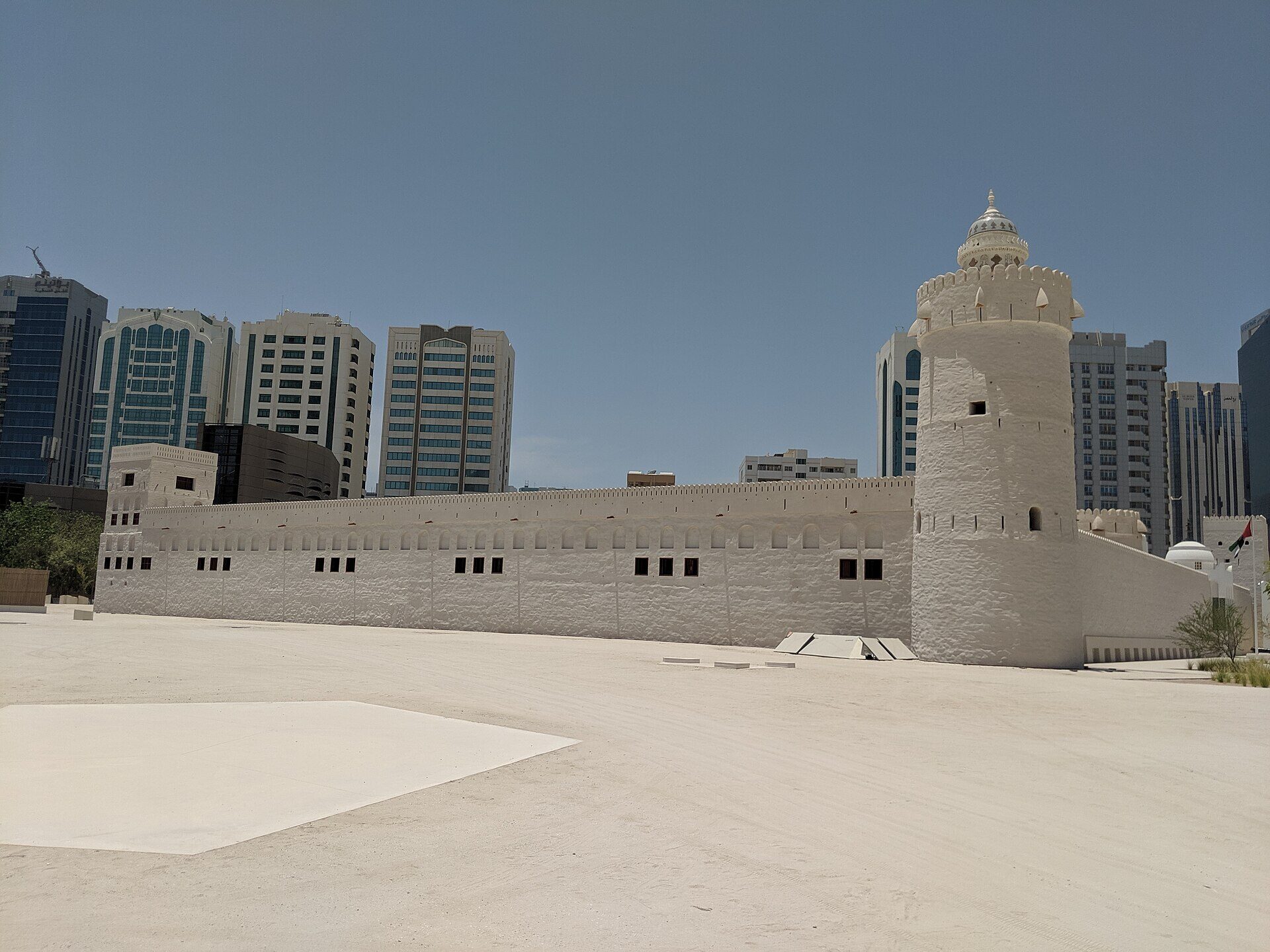
Qasr Al Hosn, the White Fort, is Abu Dhabi's most significant historical landmark and oldest surviving building, a watchtower and fortress that has stood at the heart of the emirate for over 250 years. Built around 1761 to guard a freshwater well, it served as the residence and seat of government of the Al Nahyan ruling family for two centuries and was effectively the birthplace of modern Abu Dhabi. Following a comprehensive 30-year restoration programme, the fort reopened as a heritage museum in 2018 and is today one of the most important and most beautifully presented cultural attractions in the UAE.


History: The Foundation of Abu Dhabi
Abu Dhabi island was first settled permanently around 1761 when the Bani Yas tribe, led by the Al Nahyan family, discovered a freshwater well on the island during a hunting expedition. To protect the well and the settlement that grew around it, a watchtower was constructed, the original core of what became Qasr Al Hosn. Over the following two centuries, the tower was expanded into a full fort complex and served as the official residence of the ruler of Abu Dhabi.
It was the site of major events in Gulf history: diplomatic negotiations, tribal councils, the first oil concession agreements in the 1930s, and the formal establishment of the federation that became the UAE. The fort complex was expanded in the 20th century to include the adjacent Cultural Foundation building, now incorporated into the overall the site visitor experience.
The Museum Experience
Besides, the restored the site museum is divided into sections that trace the history of Abu Dhabi from the earliest settlement through the pearl diving economy, the discovery of oil, and the establishment of the UAE. Besides, the exhibition design is excellent, well-curated artefacts, clear interpretive materials in Arabic and English, and a thoughtful narrative that places Abu Dhabi's remarkable modern transformation in its full historical context. The Inner Fort (the original watchtower core) and the Outer Fort (the later residential and administrative expansion) are both accessible, revealing the architectural development of the complex over its 250-year history.
Well of the Bani Yas
Also, the Well of the Bani Yas, the freshwater source that precipitated Abu Dhabi's founding, is preserved within the fort complex and visible to visitors. Standing beside the well that determined the location of what is now a capital city of over 3 million people is a affecting historical encounter.
The Annual Qasr Al Hosn Festival
Every year, the Qasr Al Hosn Festival transforms the fort and its surrounding precinct into one of the most important cultural events in the UAE, a multi-day celebration of Emirati heritage featuring traditional crafts, falconry demonstrations, musical performances, storytelling, traditional cuisine and educational programmes. The festival typically runs in February and draws large crowds from across the UAE. Attendance during the festival provides the most complete and most atmospheric encounter with Emirati cultural heritage available anywhere in the country.
Qasr Al Hosn tickets and prices
Here is what a visit to the site costs. Prices are per person unless noted. Because they change with the season, treat them as a guide.
| Ticket Type | Adult | Child (3–12) | Notes |
|---|---|---|---|
| Adult (12+) | AED 30 | – | All museum sections |
| Child (3–11) | – | AED 15 | All museum sections |
| Family Ticket (2 adults + 3 children) | AED 75 | – | Good value for families |
| Annual Festival (Feb) | Separate ticketing | – | Check website for dates |
Qasr Al Hosn opening hours
| Day | Hours |
|---|---|
| Sunday – Thursday | 9:00 AM – 5:00 PM |
| Friday | 2:00 PM – 9:00 PM |
| Saturday | 9:00 AM – 9:00 PM |
| Closed | Mondays (except public holidays) |
Hours shift on public holidays and during Ramadan. Check the official website on the day you go.
Best time to visit Qasr Al Hosn
The best time to visit the site is November to March. April and October also work well if your dates are fixed. If you can, avoid June to August because of the summer heat.
- Jan
- Feb
- Mar
- Apr
- May
- Jun
- Jul
- Aug
- Sep
- Oct
- Nov
- Dec
BestGoodFairAvoid
Tips for visiting Qasr Al Hosn
These tips make a visit to the site easier, especially if it is your first time.
Start with the History Film
The introductory film shown at the start of the museum experience provides essential context that noticeably enriches everything you see in the exhibition galleries.
Find the Well
Also, the original freshwater well that caused Abu Dhabi to be founded is preserved in the fort, ask the staff to direct you to it and spend time with its remarkable history.
Visit During the Festival
Besides, the annual Qasr Al Hosn Festival in February provides the richest cultural experience of the fort, the living heritage events transform the site.
Compare Old and New
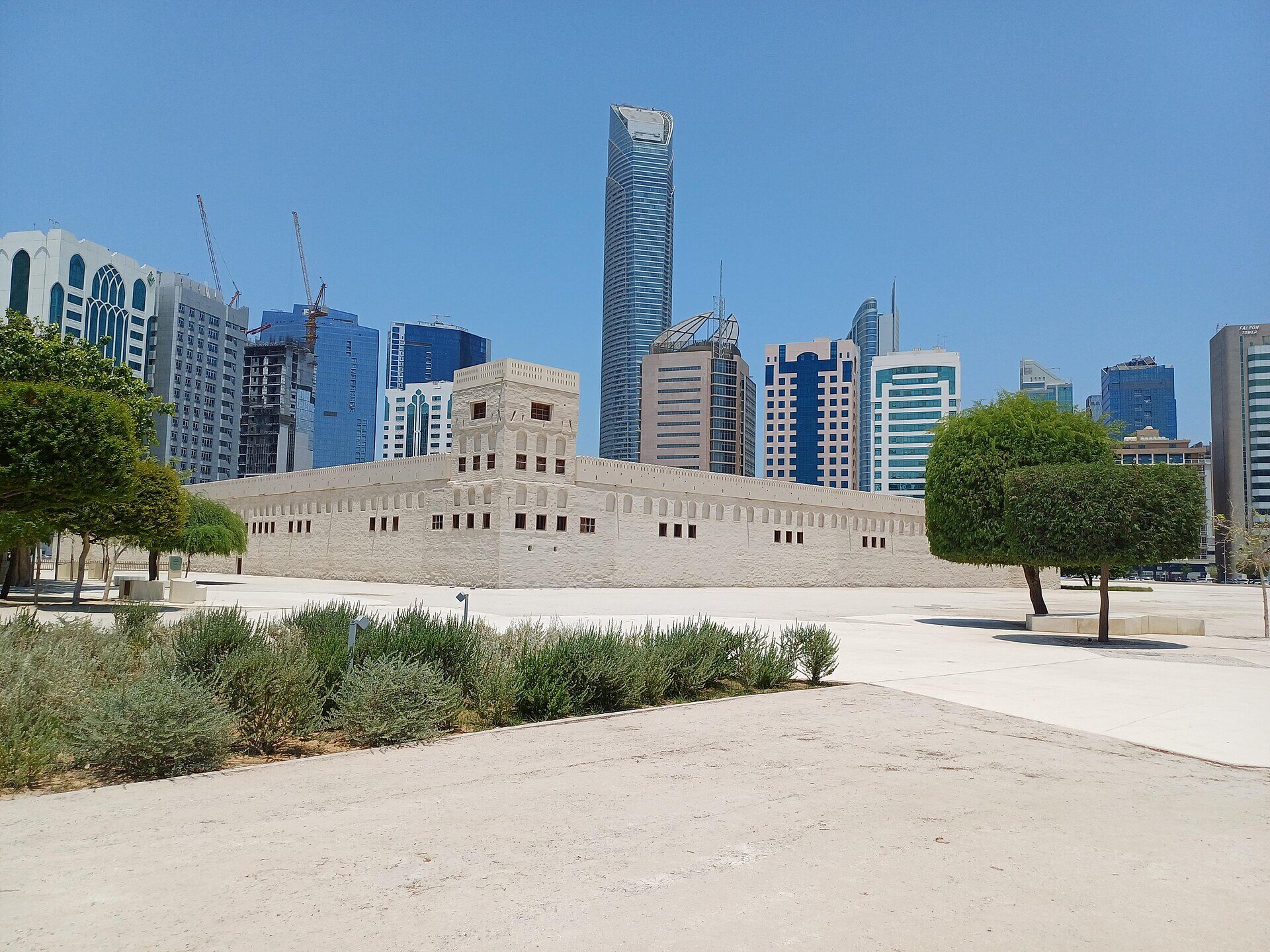
Walk around the exterior of the fort and look at the modern Abu Dhabi skyline rising behind it, the juxtaposition of 250-year-old fort and modern city tells Abu Dhabi's whole story in a single image.
Use the Audio Guide
The audio guide (available at the entrance) provides far more detail than the information boards alone, strongly recommended for first-time visitors.
Golden Hour Photography
In general, the white fort in the golden light of late afternoon, with the Abu Dhabi skyline behind it, is one of the most striking architectural photographs available in the emirate.
Where to stay near Qasr Al Hosn
If you want to stay close to the site, start with these hotels. Rates are rough nightly guides, so check before you book.
Emirates Palace Mandarin Oriental
AED 2,200 / night from
Shangri-La Abu Dhabi
AED 1,400 / night from
The St Regis Abu Dhabi
AED 1,600 / night from
Jumeirah at Etihad Towers
AED 1,800 / night from
Conrad Abu Dhabi Etihad Towers
AED 1,100 / night from
Rosewood Abu Dhabi
AED 1,500 / night from
Qasr Al Hosn: frequently asked questions
How much does it cost to visit Qasr Al Hosn?
Prices for the site start from AED 30 Adult / AED 15 Child. Adult (12+): AED 30; Child (3–11): –; Family Ticket (2 adults + 3 children): AED 75. Also, booking online is usually cheaper than paying at the gate.
What are the opening hours of Qasr Al Hosn?
The site is open sun–Thu 9AM–5PM. Sat 9AM–9PM. Fri 2–9PM. Hours can change during Ramadan and public holidays, so check before you travel.
When is the best time to visit Qasr Al Hosn?
The best time to visit the site is November to March. April and October also work well if your dates are fixed. If you can, avoid June to August because of the summer heat.
How long do you need at Qasr Al Hosn?
Plan on 1.5–2 hours for the site. Also, add a little extra if you want photos at quieter times.
Updated October 2026. Prices and opening hours change, so check the official website or the official UAE tourism site before you travel. Spotted a mistake? Tell us and we will fix it.
Photos: Peturrunar / CC BY-SA 4.0 via Wikimedia Commons; Radosław Botev / CC BY 3.0 pl via Wikimedia Commons; Radosław Botev / CC BY 3.0 pl via Wikimedia Commons; Radosław Botev / CC BY 3.0 pl via Wikimedia Commons.