 Dubai
Planning a visit to the Al Fahidi Historic District? Dubai's historic waterfront and heritage district, free to explore with the world's cheapest boat ride. This guide covers what it costs, opening hours, the best months to go and practical tips.
At a glance
- Entry
- Free (Museum AED 3)
- Opening hours
- Open 24 hours
- Time needed
- 2–4 hours
- Best time
- November to March
- Location
- Al Fahidi, Bur Dubai
What to expect at Al Fahidi
The Dubai Creek and the adjacent Al Fahidi Historic District represent the living roots of a city that has otherwise transformed beyond recognition in the space of fifty years. Where the rest of Dubai reaches for the sky with glass and steel, the Creek corridor preserves the texture, scale and sensory character of the trading settlement that became one of the world's most ambitious cities. It is the most historically meaningful and the most human-scaled environment in Dubai, and it is almost entirely free to experience.
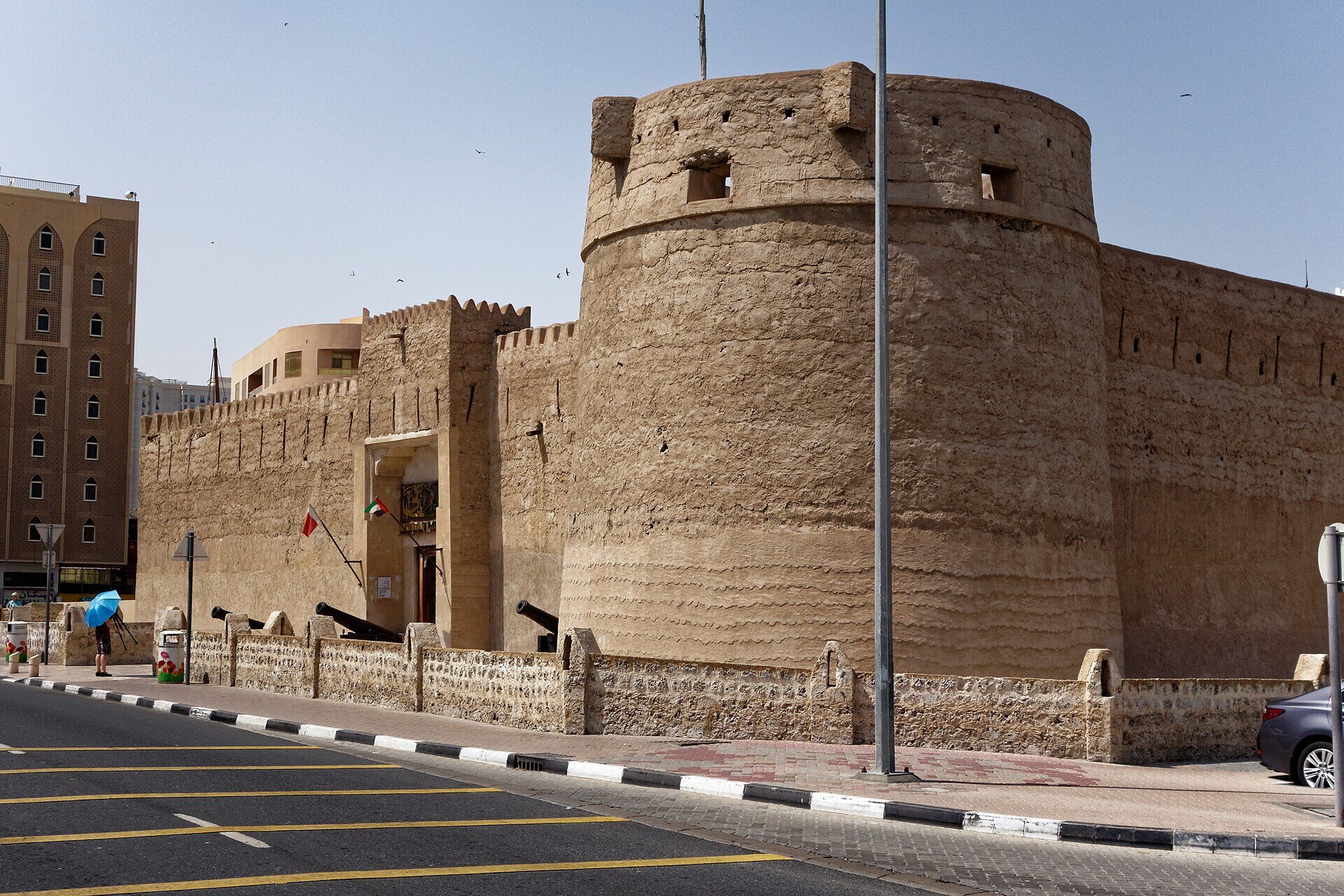

Al Fahidi Historic District: Dubai's Oldest Neighbourhood
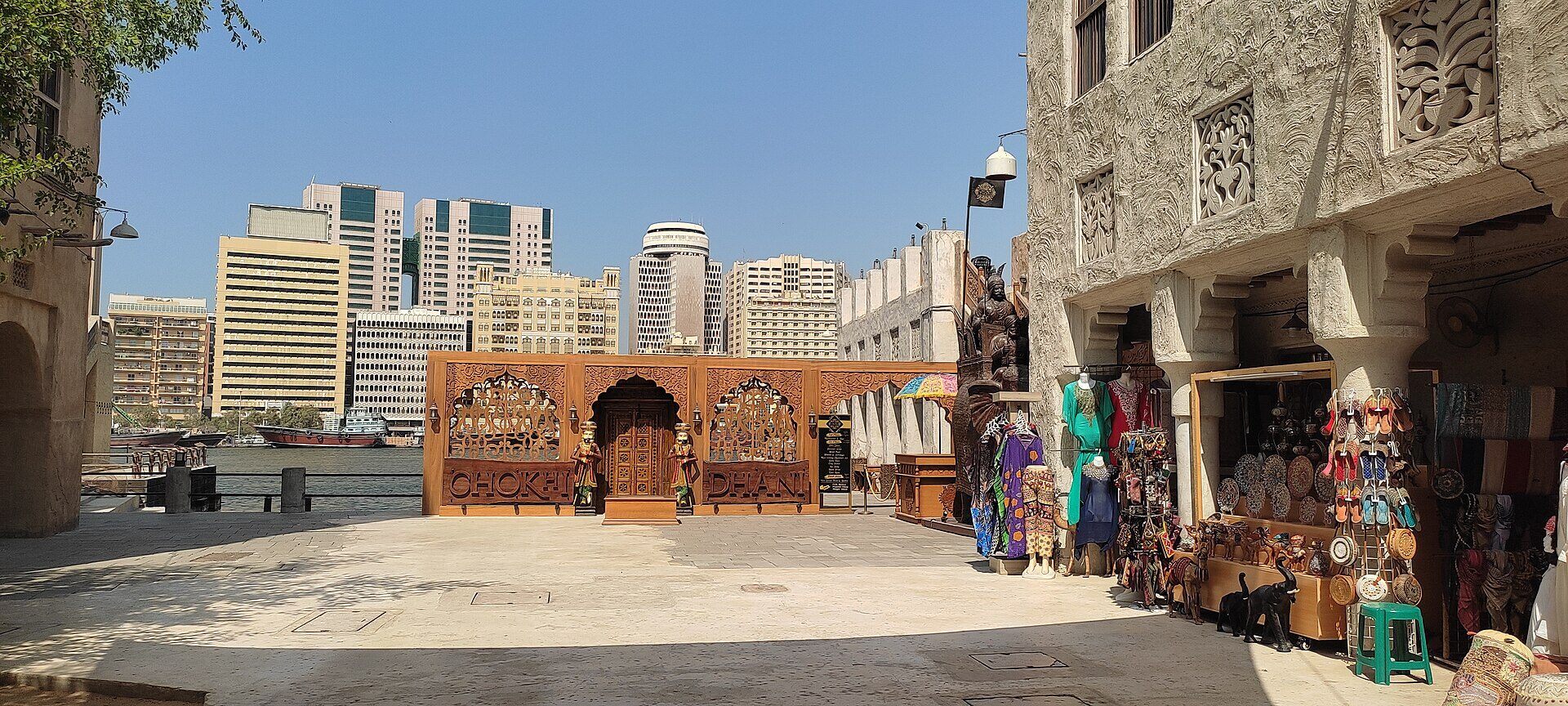
The Al Fahidi Historic District, also known as Al Bastakiya, is the largest surviving area of traditional Gulf architecture in Dubai, a compact neighbourhood of narrow lanes, courtyard houses and distinctive wind towers (barjeel) that date from the early 20th century. Generally, the district was settled by Persian merchant families from Bastak in Iran, who brought their architectural traditions to the Creek's south bank and created a community that thrived on the Gulf's pearling and trading economy.
In addition, the neighbourhood's defining characteristic is its wind towers, tall, square ventilation shafts rising from the roofs of the courtyard houses that catch the prevailing Gulf breeze at height, channel it downward through the building and release it into the living spaces below as naturally cooled air. This system, combined with the shaded internal courtyard that each house surrounds, kept families comfortable through the Gulf's extreme summers without any mechanical assistance. The wind towers are not merely decorative, they represent one of the most elegant engineering solutions in the history of vernacular architecture.
Today the district houses a remarkable concentration of small art galleries, cultural centres, restaurants and museums in its restored traditional buildings. The Dubai Museum inside Al Fahidi Fort, the oldest building in Dubai, dating from 1787, is the best single-site introduction to the city's history, with dioramas of traditional life, pearl diving recreations, and an outstanding photographic record of Dubai's transformation. In addition, at AED 3, it is the best-value museum in the UAE.
The Abra Crossing: Dubai's Greatest AED 1 Experience
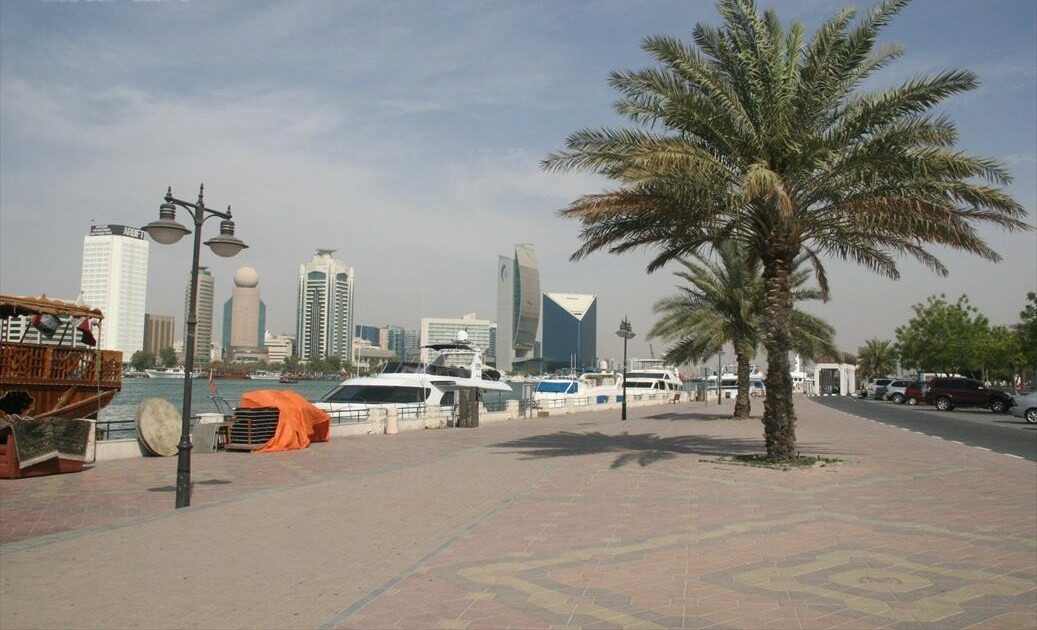
The traditional wooden water taxis called abras have been crossing Dubai Creek between Bur Dubai and Deira for generations, and they continue to do so today for AED 1 per person. Moreover, the service is not tourist theatre. It is a functioning public transport route used daily by thousands of residents going about their ordinary business. Sharing an abra with office workers, labourers and market traders while the old waterfront slides past is one of the most authentic urban experiences available in Dubai.
Two main abra stations connect Bur Dubai to Deira: the station near the Dubai Museum connects to the Deira Old Souk station (for the Spice Souk and Gold Souk), while the Bur Dubai Abra Station further north connects to the Al Sabkha Abra Station. Both crossings take about five minutes. Private abra hire for an hour-long Creek tour costs around AED 100–150 and can be arranged directly with the abra drivers at either station.
The Deira Souks: Spices and Gold
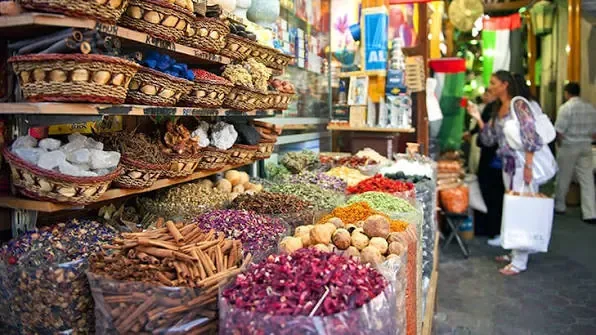
A short walk from the Deira side of the Creek, the Spice Souk and Gold Souk complete the classic Old Dubai experience. The Spice Souk, a covered arcade of small shops overflowing with sacks of cardamom, saffron, dried rose petals, frankincense and dozens of other spices and herbs, assaults the senses in the most pleasant possible way. Besides, the light in the covered market filters through slatted roofs to create warm patterns across the colourful produce. Prices are reasonable and gentle bargaining is appropriate.
Gold Souk
The Gold Souk, a short walk from the Spice Souk, is one of the world's most outstanding gold markets, 380+ retailers displaying an estimated 10 tonnes of gold jewellery at any given time. Also, the gold is priced at the daily international rate plus making charges, which are negotiable. The visual spectacle of the window displays alone, tier after tier of 22-carat necklaces, bracelets and bangles, is worth the visit regardless of any intention to buy.
Al Fahidi tickets and prices
Here is what a visit to the Al Fahidi Historic District costs. Prices are per person unless noted. Because they change with the season, treat them as a guide.
| Ticket Type | Adult | Child (3–12) | Notes |
|---|---|---|---|
| Al Fahidi District & Creek Walk | Free | Free | No ticket required |
| Dubai Museum (in Al Fahidi Fort) | AED 3 | AED 1 | Excellent historical collection |
| Abra Creek Crossing | AED 1 | AED 1 | Public service, per person |
| Private Abra Tour (1 hour) | AED 100–150 | – | Per boat, arrange with driver |
| Spice Souk & Gold Souk | Free | Free | Entry always free |
Al Fahidi opening hours
| Day | Hours |
|---|---|
| Al Fahidi District | Open 24 hours |
| Dubai Museum | Sat–Thu: 8:30 AM – 8:30 PM; Fri: 2:30–8:30 PM |
| Abra Service | Daily approx. 6:00 AM – midnight |
| Gold Souk | Sat–Thu: 10AM–10PM; Fri: 4PM–10PM |
Hours shift on public holidays and during Ramadan. Check the official website on the day you go.
Best time to visit Al Fahidi
The best time to visit the Al Fahidi Historic District is November to March. April and October also work well if your dates are fixed. If you can, avoid June to August because of the summer heat.
- Jan
- Feb
- Mar
- Apr
- May
- Jun
- Jul
- Aug
- Sep
- Oct
- Nov
- Dec
BestGoodFairAvoid
Tips for visiting Al Fahidi
These tips make a visit to the Al Fahidi Historic District easier, especially if it is your first time.
Golden Hour Walk
Al Fahidi's mud-plaster walls and wind towers glow in the late-afternoon light, arrive 90 minutes before sunset for the most beautiful and photogenic conditions.
Take the Abra
The AED 1 Creek crossing is essential, combine Bur Dubai with the Deira souks on a single trip to get the full Creek experience.
Dubai Museum First
The Dubai Museum sets the historical context perfectly, visit it before exploring Al Fahidi to understand what you are seeing.
Courtyard Cafes
Also, the XVA Café and Arabian Tea House in Al Fahidi's courtyard houses are excellent for traditional food and Arabic coffee in beautifully atmospheric settings.
Best Angles
Stand at the intersection of the narrow lanes in Al Fahidi and look up. The wind towers framing the sky above the lanes make for excellent architectural photography.
SMCCU Visit
In addition, the Sheikh Mohammed Centre for Cultural Understanding runs Open Doors, Open Minds cultural talks, a excellent introduction to UAE culture and Islam.
Where to stay near Al Fahidi
If you want to stay close to the Al Fahidi Historic District, start with these hotels. Rates are rough nightly guides, so check before you book.
Hyatt Regency Dubai Creek Heights
AED 850 / night from
Sheraton Grand Hotel Dubai
AED 780 / night from
Novotel Deira City Centre
AED 450 / night from
Ibis Styles Dubai Airport
AED 240 / night from
Premier Inn Dubai City Centre
AED 310 / night from
Rove City Centre Dubai
AED 290 / night from
Al Fahidi: frequently asked questions
How much does it cost to visit the Al Fahidi Historic District?
Prices for the Al Fahidi Historic District start from Free (Museum AED 3). Al Fahidi District & Creek Walk: Free; Dubai Museum (in Al Fahidi Fort): AED 3; Abra Creek Crossing: AED 1.
What are the opening hours of the Al Fahidi Historic District?
Al Fahidi is open open 24 hours. Hours can change during Ramadan and public holidays, so check before you travel.
When is the best time to visit the Al Fahidi Historic District?
The best time to visit the Al Fahidi Historic District is November to March. April and October also work well if your dates are fixed. If you can, avoid June to August because of the summer heat.
How long do you need at the Al Fahidi Historic District?
Plan on 2–4 hours for the Al Fahidi Historic District. Also, add a little extra if you want photos at quieter times.
How do you get to the Al Fahidi Historic District?
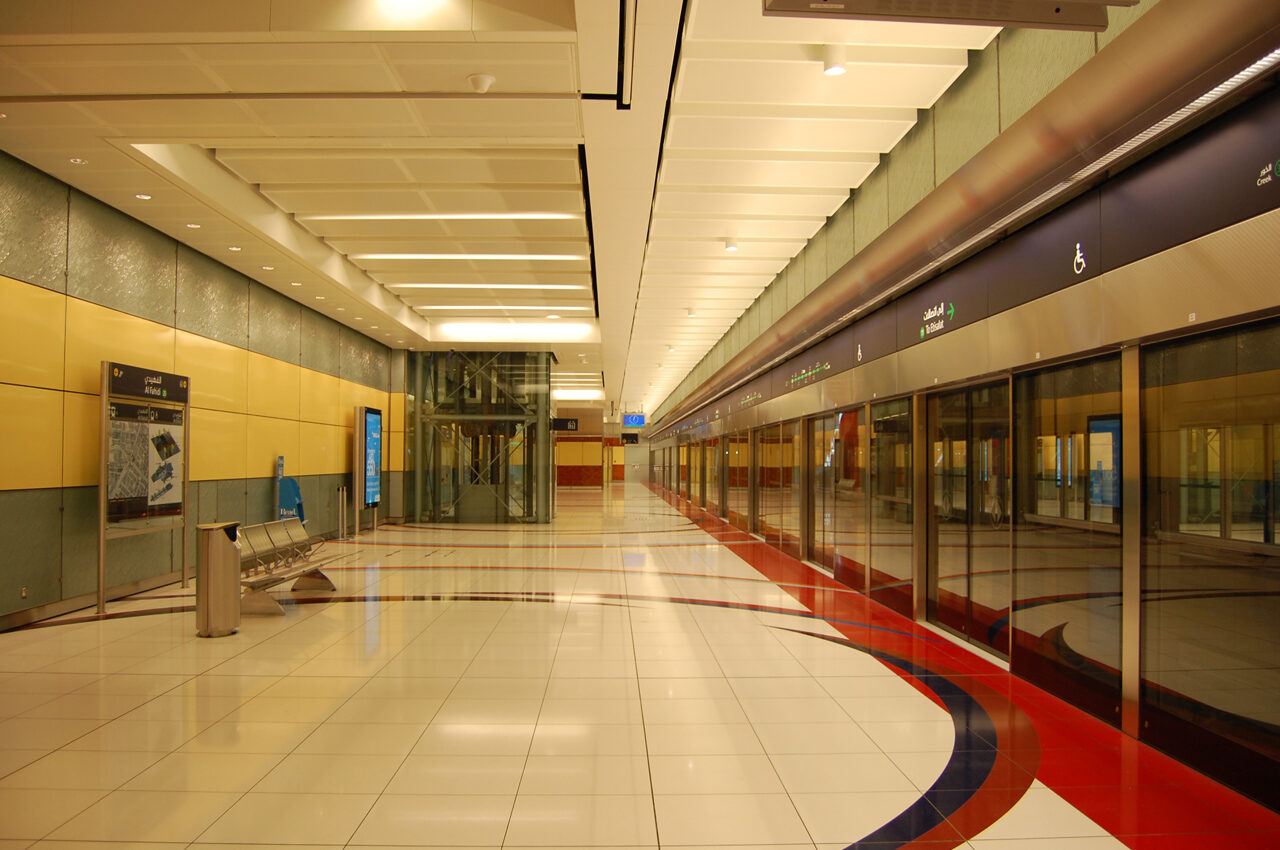
Al Fahidi (Green Line). Taxis and ride-hailing apps are the easiest option if you are short on time.
Updated October 2026. Prices and opening hours change, so check the official website or the official UAE tourism site before you travel. Spotted a mistake? Tell us and we will fix it.
Photos: Imre Solt / CC BY-SA 3.0 via Wikimedia Commons; Kimon Berlin / CC BY-SA 2.0 via Wikimedia Commons; Vladimir Yaitskiy / CC BY-SA 3.0 via Wikimedia Commons; Alberto-g-rovi / CC BY-SA 3.0 via Wikimedia Commons.