
 Abu Dhabi
Planning a visit to Al Ain Oasis? UNESCO World Heritage Site, one of the world's oldest inhabited oases with 147,000 date palms irrigated by a 3,000-year-old falaj system. Free entry. This guide covers what it costs, opening hours, the best months to go and practical tips.
At a glance
- Entry
- Completely free
- Opening hours
- Daily 8AM–6PM (5PM in summer)
- Time needed
- 1–2 hours
- Best time
- November to March
- Location
- Al Ain City Centre, Al Ain
What to expect at Al Ain Oasis
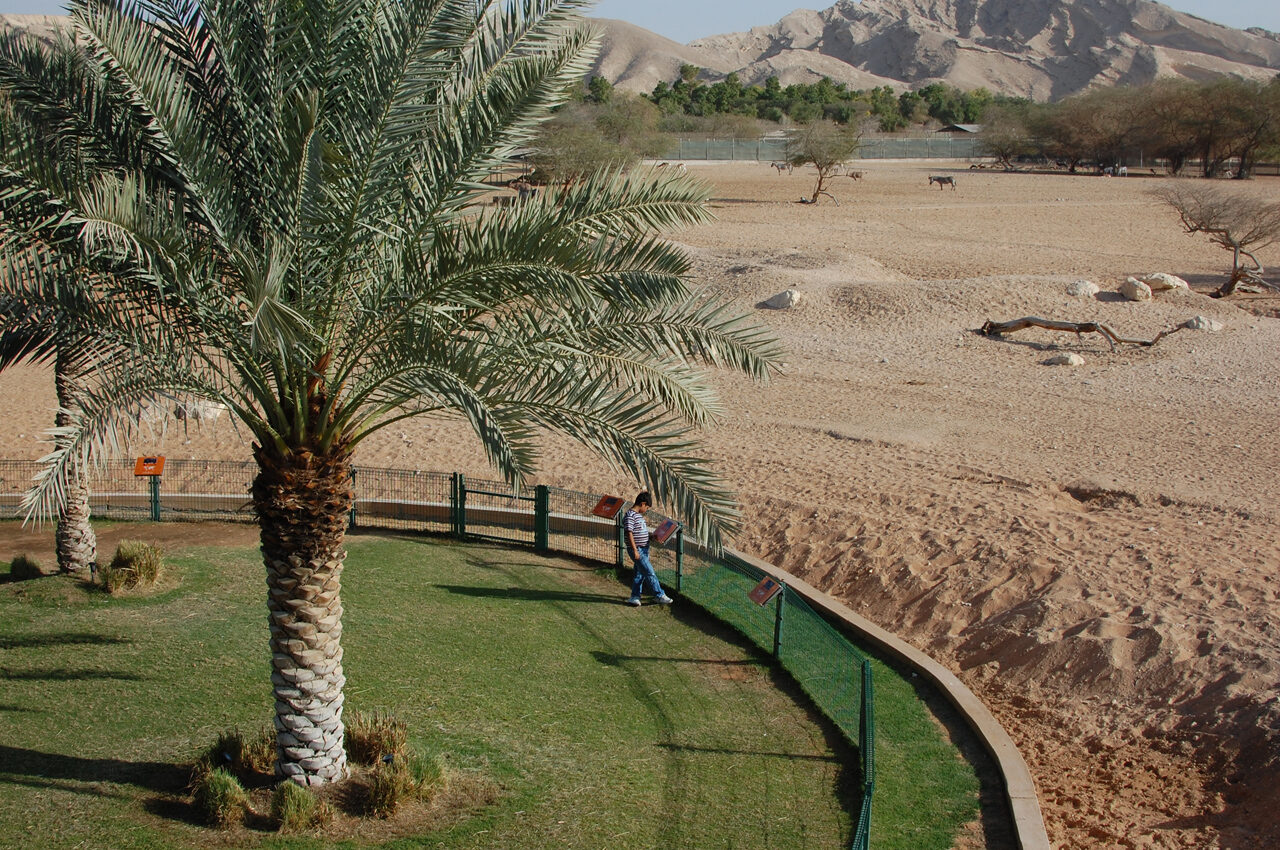
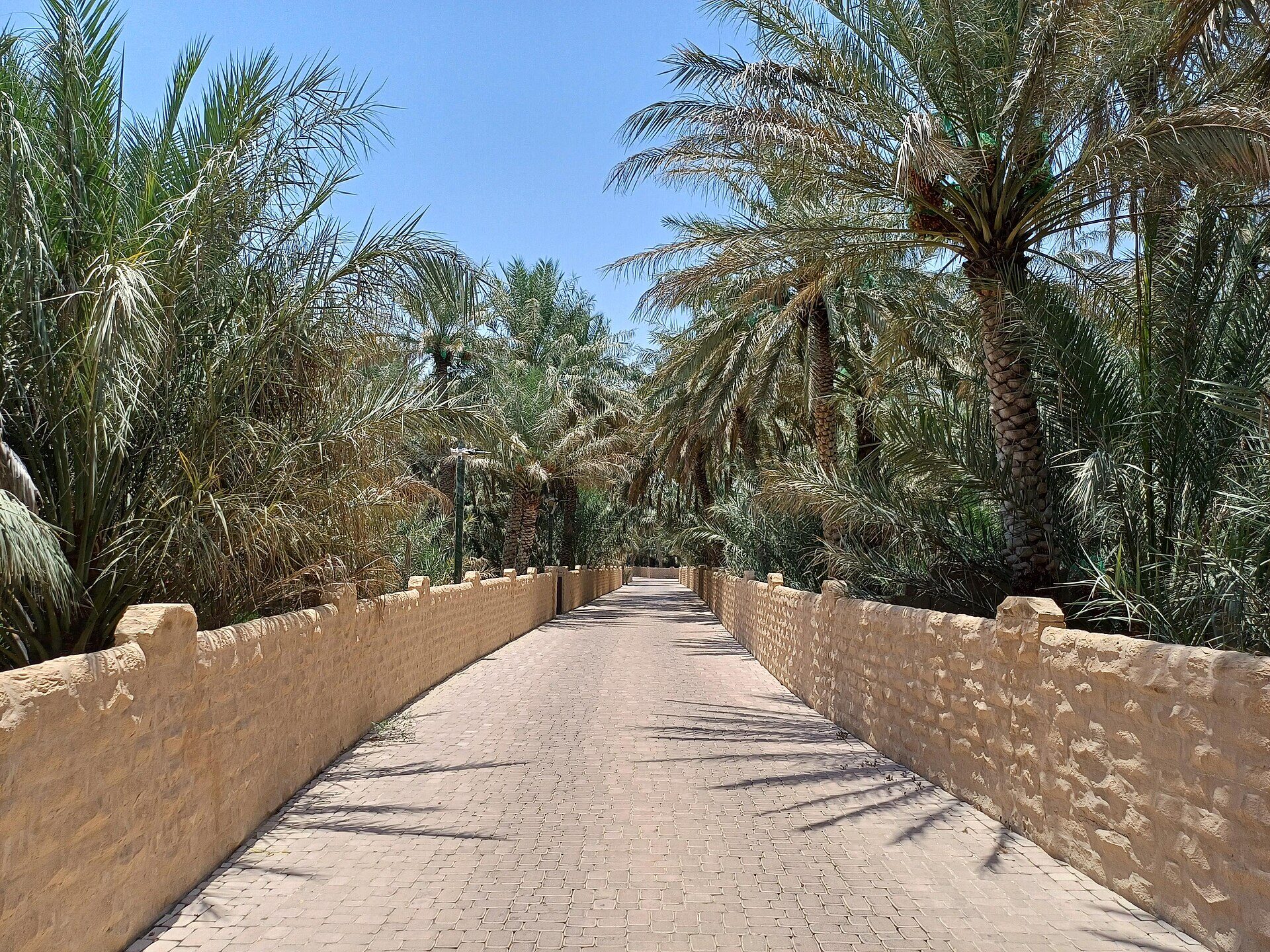
The It is one of the world's oldest continuously inhabited oases, a living UNESCO World Heritage Site in the heart of Al Ain city where about 147,000 date palm trees are still irrigated today by a falaj underground water channel system that was first constructed over 3,000 years ago. Entry is completely free and the experience of walking through the cool shade of the ancient palm groves, accompanied by the sound of flowing water in the falaj channels, is one of the most distinctive encounters with UAE heritage available anywhere in the Emirates.

The Falaj System
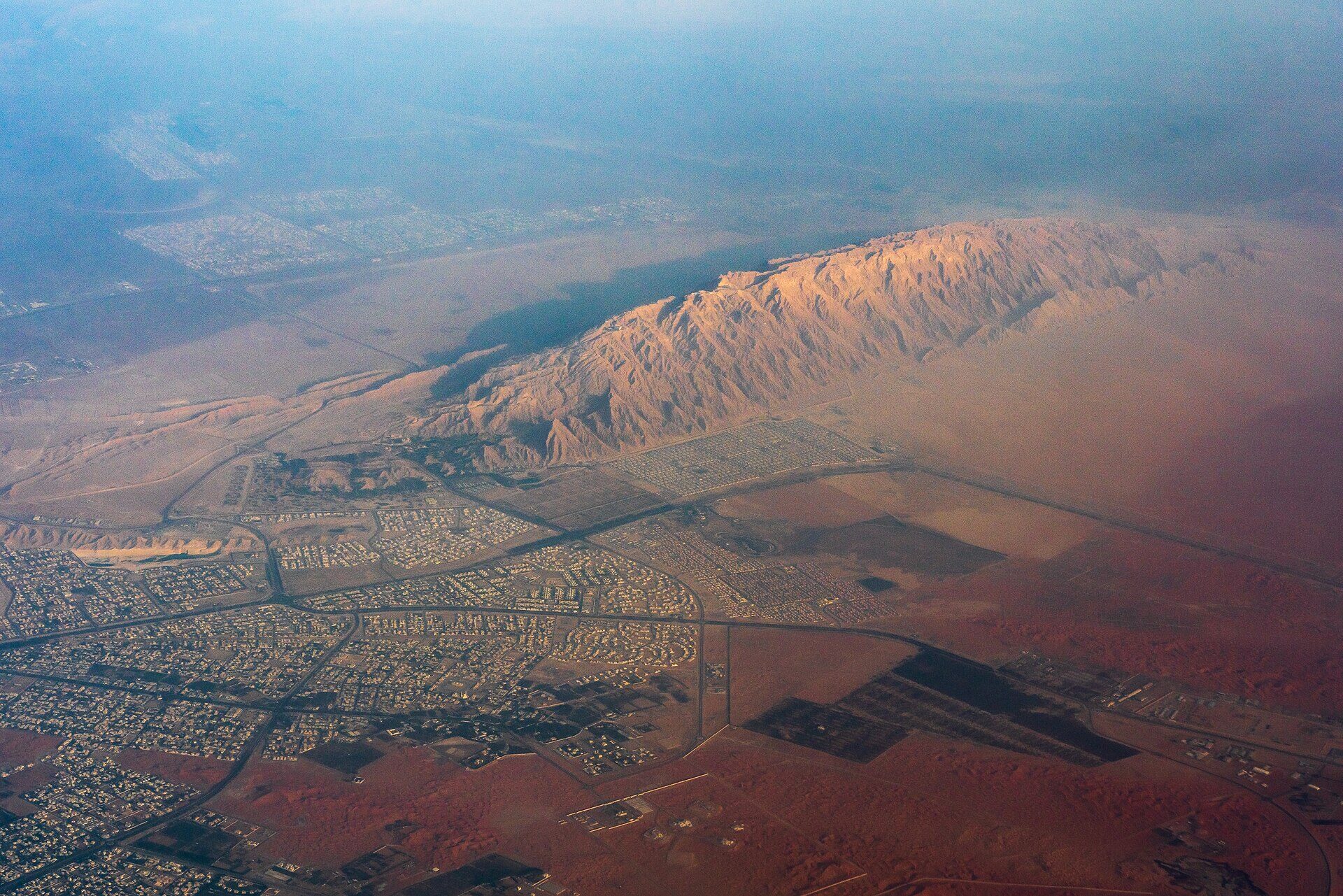
The it falaj system is the most remarkable feature of the site, a network of underground and surface channels that carries groundwater from the base of the Hajar Mountains through gravity alone to irrigate the palm groves. The technology was developed about 3,000 years ago and is still in active use today. This makes it one of the oldest continuously operating irrigation systems in the world.
The channels are visible throughout the oasis, narrow streams of fresh water flowing at ground level between the palm rows, the same basic channels that sustained human settlement in this desert environment for millennia. UNESCO recognised the falaj system across Al Ain as a World Heritage property specifically because of its outstanding age and its continued active use.
The Date Palms
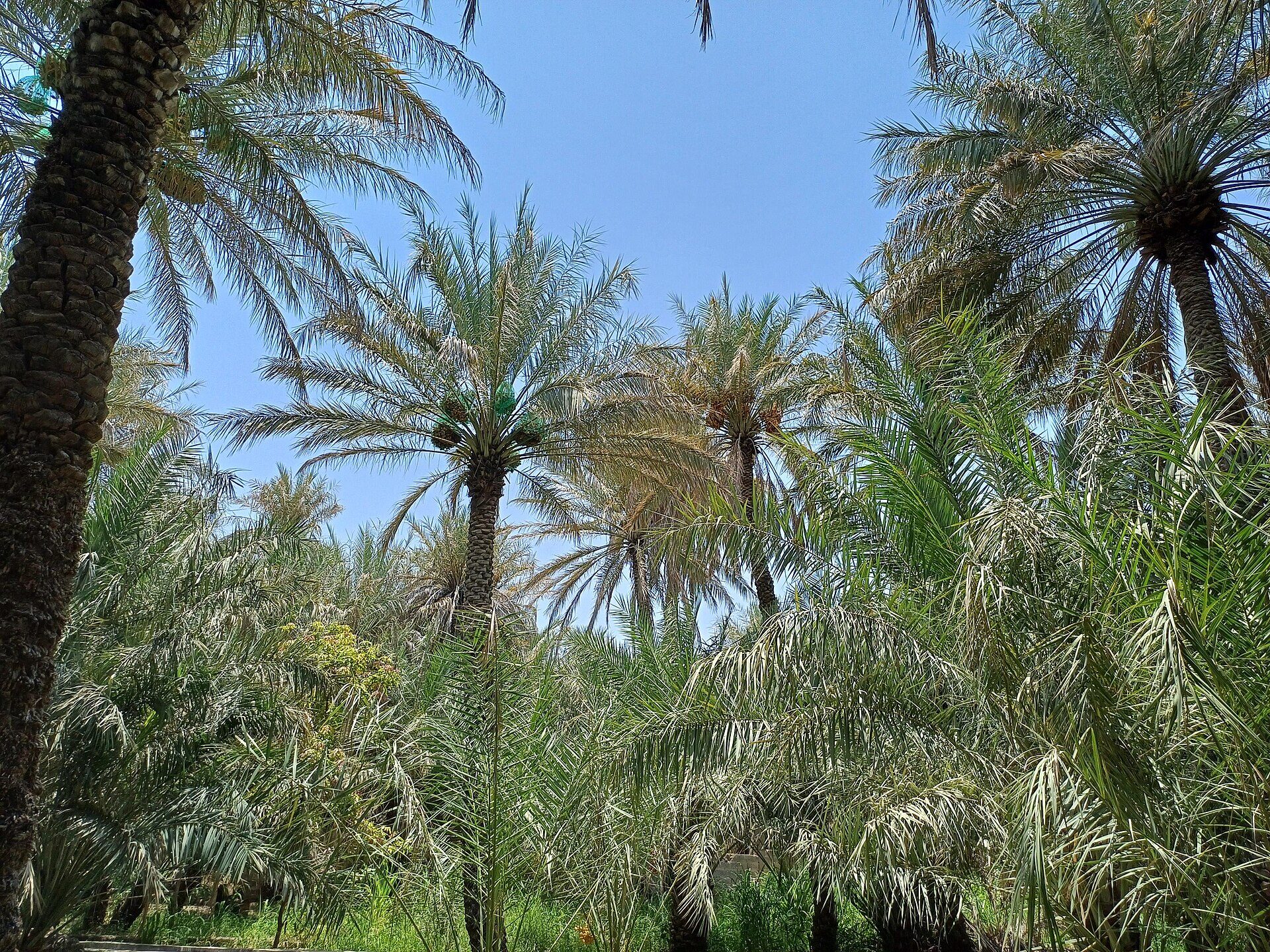
The 147,000 date palms in the oasis are not merely ornamental. They are productive agricultural trees that continue to yield dates for sale. Walking through the palm groves, particularly in the harvest season (August–October), you can see the full agricultural cycle at work: the ripening date clusters at height, the traditional harvesting methods used by workers, and the processing and sale of the dates at the oasis market. The variety of dates grown in the it spans dozens of UAE and Arabian cultivars, many of which are not commercially available elsewhere.
Visitor Centre and Walking Routes
Also, the Al Ain Oasis Visitor Centre at the main entrance provides excellent context for the visit, clear information about the falaj system, the date palm agriculture, and the oasis's role in the development of human settlement in the UAE. Well-marked walking routes guide visitors through the oasis in circuits ranging from 30 minutes to 2 hours. The falaj viewing path follows an above-ground channel for several hundred metres, providing continuous sight and sound of the flowing water. Also, the routes are clearly signed in Arabic and English throughout.
Practical Information
In general, the oasis is in the centre of Al Ain city, about 10 minutes' walk from the Al Ain Palace Museum and the Al Ain Souk. Entry is free and unrestricted throughout opening hours. The best visiting conditions are in the cooler months (October–April) when the temperature under the palms is pleasant. Moreover, the early morning (8–10 AM) and late afternoon (3–5 PM) are the most beautiful times photographically. The oasis is one of the most important elements of the Al Ain Cultural Sites UNESCO inscription, which also encompasses the Al Hili Archaeological Site, Jebel Hafeet, and several historic forts.
Al Ain Oasis tickets and prices
Here is what a visit to it costs. Prices are per person unless noted. Because they change with the season, treat them as a guide.
| Ticket Type | Adult | Child (3–12) | Notes |
|---|---|---|---|
| Entry to Oasis | Free | Free | Always free, no registration |
| Visitor Centre | Free | Free | 9AM–5PM daily, guided tour info available |
| Guided Tour | AED 50 | AED 30 | Available on request via visitor centre |
Al Ain Oasis opening hours
| Day | Hours |
|---|---|
| Daily (Oct–Apr) | 8:00 AM – 6:00 PM |
| Daily (May–Sept) | 8:00 AM – 5:00 PM |
| Visitor Centre | 9:00 AM – 5:00 PM daily |
Hours shift on public holidays and during Ramadan. Check the official website on the day you go.
Best time to visit Al Ain Oasis
The best time to visit it is November to March. April and October also work well if your dates are fixed. If you can, avoid June to August because of the summer heat.
- Jan
- Feb
- Mar
- Apr
- May
- Jun
- Jul
- Aug
- Sep
- Oct
- Nov
- Dec
BestGoodFairAvoid
Tips for visiting Al Ain Oasis
These tips make a visit to it easier, especially if it is your first time.
Early Morning Walk
The oasis at 8–9 AM in the cooler months is the most beautiful version, the palm shadows long, the falaj channels catching the morning light, the air cool and fresh.
Follow the Falaj
Spend time specifically following the above-ground falaj channel, the experience of watching 3,000-year-old technology still carrying water through the desert is moving.
Visitor Centre First
Start at the Visitor Centre to understand what you are seeing. The falaj system is far more impressive once you understand how it works and how old it is.
Afternoon Light
The afternoon light filtering through the palm fronds creates outstanding photographic conditions, allow time specifically for photography in the 3–5 PM window.
Full 2-Hour Circuit
In general, the longest walking circuit (about 2 hours) is a good idea on a first visit, it covers the full variety of the oasis environment.
Combine with Al Ain Souk
Besides, the traditional Al Ain Souk is 10 minutes' walk from the Oasis, combining both visits creates the most complete Old Al Ain experience available.
Where to stay near Al Ain Oasis
If you want to stay close to it, start with these hotels. Rates are rough nightly guides, so check before you book.
Mercure Grand Jebel Hafeet Al Ain
AED 480 / night from
Al Ain Rotana
AED 680 / night from
Hilton Al Ain
AED 750 / night from
ibis Al Ain
AED 220 / night from
Premier Inn Al Ain
AED 260 / night from
Centro Al Ain by Rotana
AED 320 / night from
Al Ain Oasis: frequently asked questions
How much does it cost to visit Al Ain Oasis?
Prices for it start from Completely free. Entry to Oasis: Free; Visitor Centre: Free; Guided Tour: AED 50.
What are the opening hours of Al Ain Oasis?
It is open Daily 8AM–6PM (5PM in summer). Hours can change during Ramadan and public holidays, so check before you travel.
When is the best time to visit Al Ain Oasis?
The best time to visit it is November to March. April and October also work well if your dates are fixed. If you can, avoid June to August because of the summer heat.
How long do you need at Al Ain Oasis?
Plan on 1–2 hours for it. Also, add a little extra if you want photos at quieter times.
Updated October 2026. Prices and opening hours change, so check the official website or the official UAE tourism site before you travel. Spotted a mistake? Tell us and we will fix it.
Photos: Slywire / CC BY-SA 4.0 via Wikimedia Commons; Radosław Botev / CC BY 3.0 pl via Wikimedia Commons; Radosław Botev / CC BY 3.0 pl via Wikimedia Commons; Radosław Botev / CC BY 3.0 pl via Wikimedia Commons.