 Thailand
Thinking about visiting the Chiang Mai Night Bazaar? Chiang Mai Old City is a moated square of ancient temples and traditional northern Thai architecture, adjacent to the Night Bazaar, the best night market and handicraft shopping in Thailand. This guide covers what it costs, the best months to go, how to get there and practical tips.
At a glance
- Entry
- Free / THB 20–40 (Old City temple walking tour (self-guided))
- Best time
- March to May and November to December
- Location
- Chiang Mai, northern Thailand
What to expect at Chiang Mai
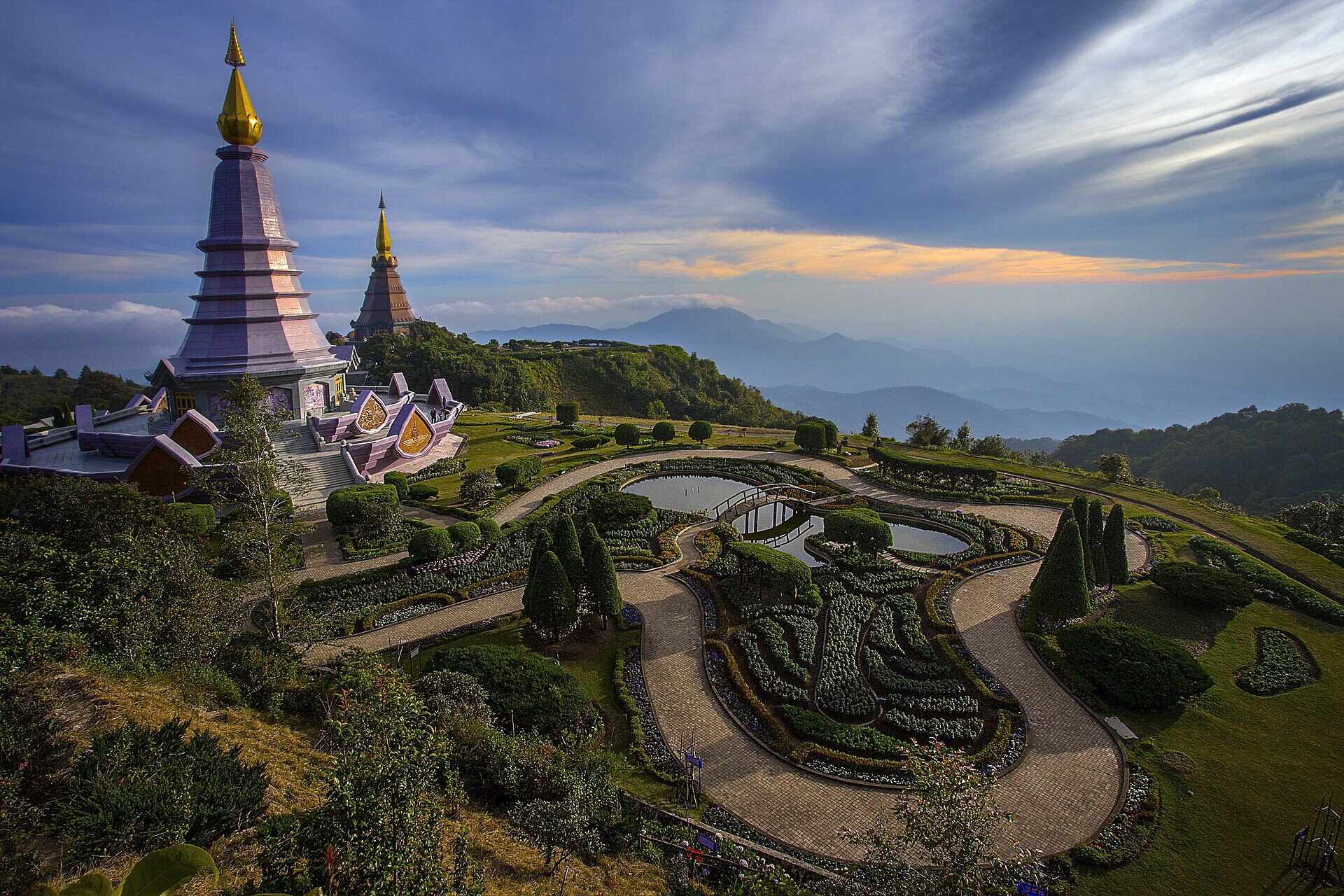
Chiang Mai is Thailand's northern cultural capital, a 700-year-old moated city of Lanna Buddhist temples, traditional handicraft workshops and cooking schools, surrounded on all sides by mountains and approached from Bangkok by a 700km journey through the changing landscape of Northern Thailand. The city was founded in 1296 by King Mengrai as the capital of the Lanna Kingdom ('the Kingdom of a Million Rice Fields'), a political entity that remained independent of the central Thai kingdoms for centuries and developed a distinct Lanna culture, art, architecture, food and language that is still clearly distinguishable from central Thai culture today, even though Chiang Mai has been formally part of Thailand since 1892.


Old City
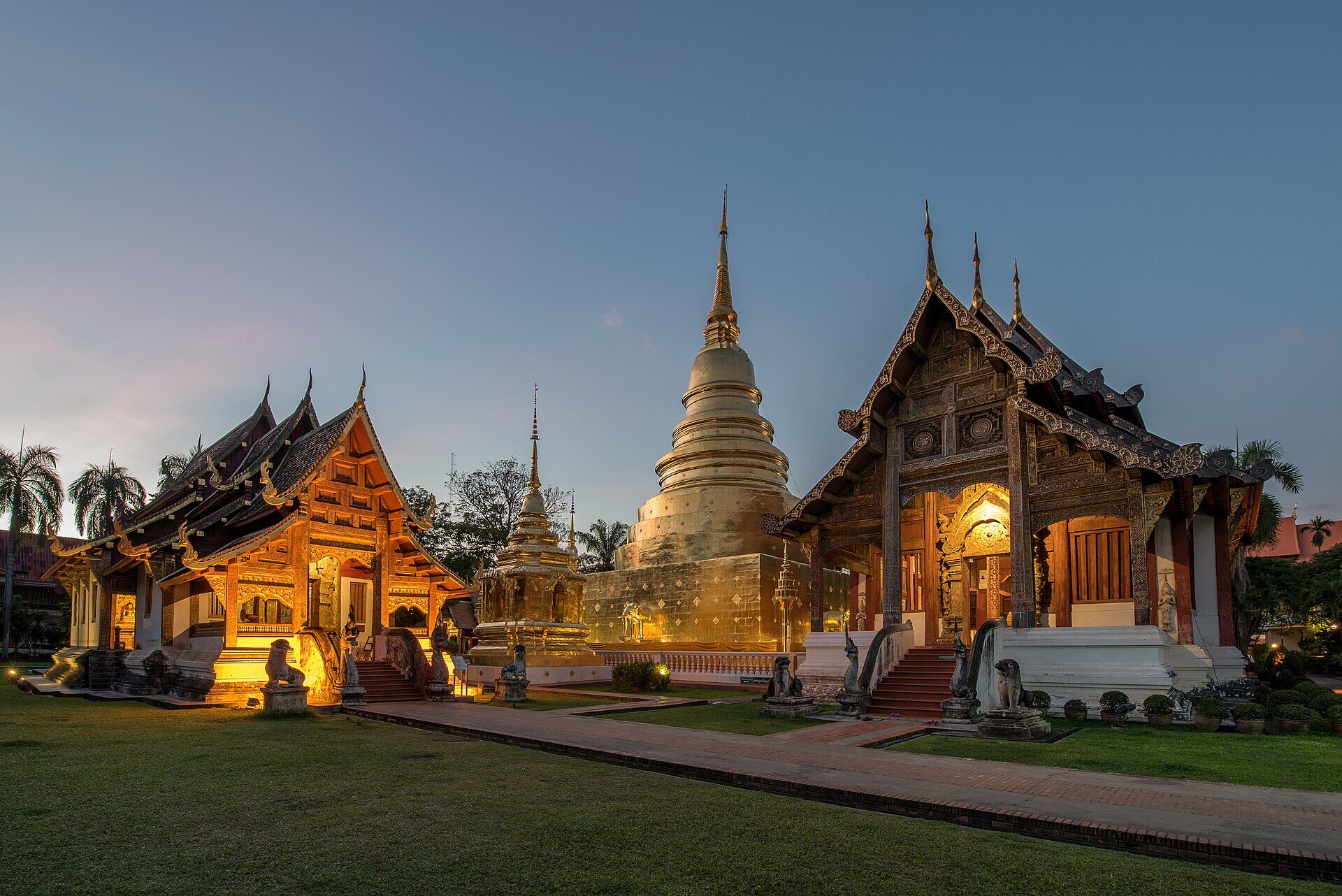
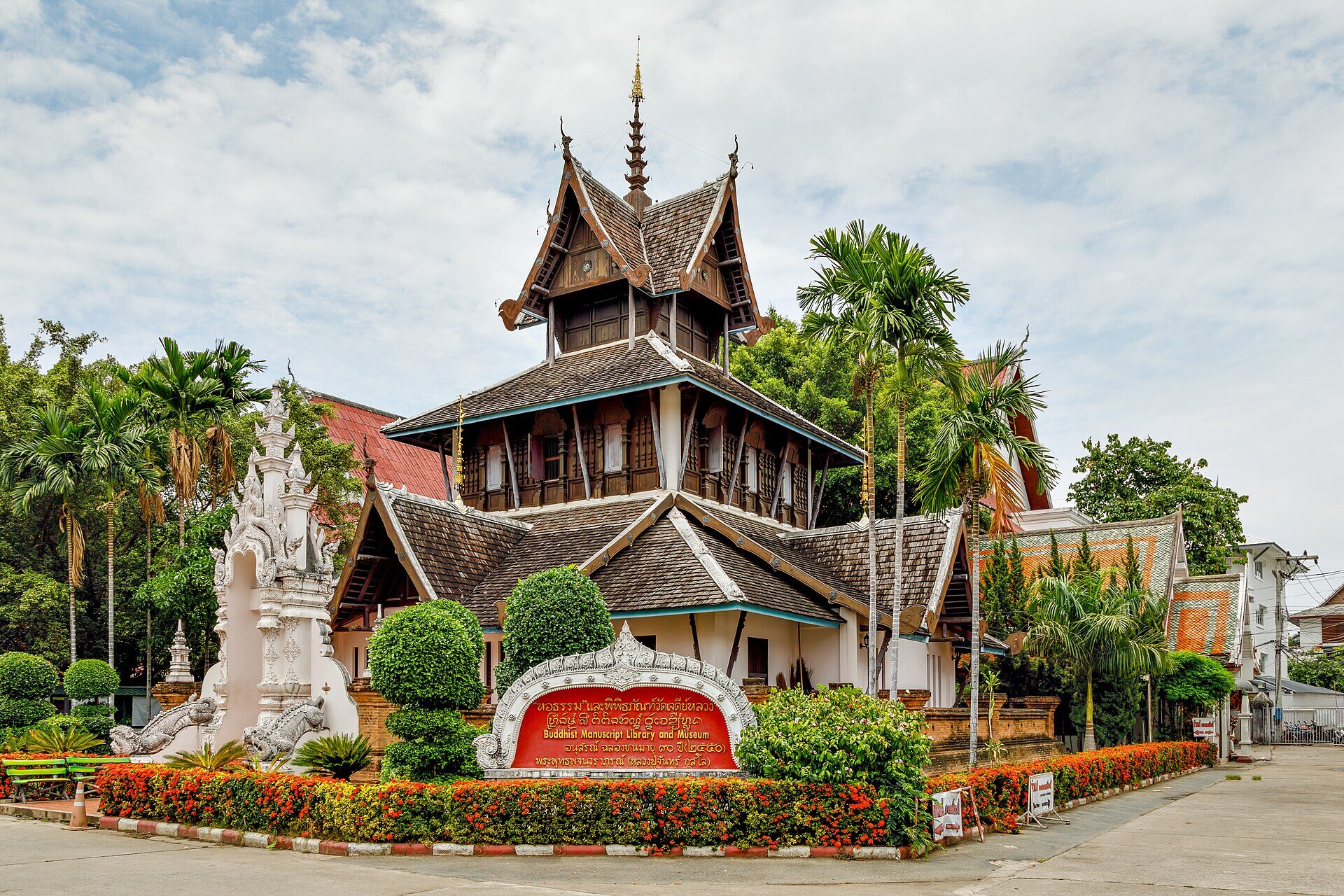
The Old City, enclosed within the surviving square moat (1.5km on each side), contains more than 300 Buddhist temples in the Lanna architectural style, a tradition distinct from Bangkok's ornate central Thai temple architecture in its use of heavy carved teak wood, low-sweeping multi-tiered rooflines, lacquered wooden Buddha images and a colour palette favouring red, gold and black rather than the multicoloured glass-tile exteriors of the Bangkok temple tradition.
The best Lanna temple interiors in the Old City include Wat Chedi Luang (a partially ruined 15th-century chedi 60 metres tall, its top destroyed by earthquake in 1545, the remaining structure still one of the most dramatic architectural presences in northern Thailand), Wat Phra Singh (housing the most revered Buddha image in Chiang Mai in a 14th-century Lanna-style wihan of great beauty) and Wat Chiang Man (the oldest temple in the city, founded by King Mengrai in 1297, containing two highly venerated Buddha images of unusual iconographic type).
Night Bazaar
The Night Bazaar on Changklan Road, operating nightly from about 5 PM to midnight, is the best handicraft shopping venue in Thailand, far better in quality, variety and price than the equivalent market areas in Bangkok or Phuket. Moreover, the bazaar and the adjacent covered Anusarn Market offer silver jewellery (from the hill tribe silverworking tradition), hand-woven silk and cotton textiles (from the village weaving cooperatives of the northern highlands), carved teak and bamboo objects, ceramic work in the distinctive Celadon glaze developed at the medieval kilns of nearby Wiang Kalong, embroidery by the Hmong, Karen and Akha hill tribe communities of the northern mountains, and lacquerware in both traditional Burmese-influenced and contemporary designs. Prices are negotiable and noticeably below Bangkok tourist market equivalents.
Sunday Walking Street
The Sunday Walking Street on Wualai Road (operating Sunday evenings only, 5 PM–midnight) and the Saturday Walking Street on Wua Lai Road (Saturday evenings only) are smaller and more locally-oriented than the main Night Bazaar, the vendors tend to be local artisans selling their own work rather than wholesale buyers, and the food stalls serve more authentic northern Thai cuisine. Both markets are found in the area southwest of the Old City moat and are within reasonable walking distance of most Old City accommodation.
Northern Thai cuisine is the primary justification for visiting Chiang Mai that most food-focused travellers cite above all others. Khao soi, the signature dish of Chiang Mai, a coconut curry noodle soup of outstanding complexity served with egg noodles both softened in the broth and deep-fried crispy on top, with shallots, pickled mustard greens, lime and chilli oil as condiments, is available from THB 50–80 at virtually every local restaurant in the city and is impossible to approximate accurately outside northern Thailand.
The version at Khao Soi Islam near Charoen Prathet Road and at Khao Soi Khun Yai on Faham Road are often cited as the top in the city. Sai oua (northern Thai herbal pork sausage, grilled), nam prik noom (green chilli dipping sauce served with raw vegetables and sticky rice) and gaeng hang lay (a Burmese-influenced pork curry with ginger and pickled garlic) complete the essential northern Thai culinary experience.
Making the most of it
A Thai cooking class is one of the most practically rewarding activities available in Chiang Mai and the city has the highest concentration of quality cooking schools in Southeast Asia. Most half-day classes (THB 900–1,500, typically including a morning market visit to buy ingredients, instruction in making five to six dishes, and all food consumed during class) deliver real skill in Thai cooking fundamentals, aromatic paste preparation, the balance of sweet-sour-salty-spicy flavours, rice cooking and technique, that translate directly to home cooking. The Thai Farm Cooking School, Zabb E Lee and Baan Thai Cookery School are often well-reviewed by participants. Book in advance as classes often fill several days ahead during peak season (November–February).
Chiang Mai tickets and prices
Here is what a visit to the Chiang Mai Night Bazaar costs. Prices are per person unless noted. Because they change with the season, treat them as a guide.
| Ticket or service | Price |
|---|---|
| Old City temple walking tour (self-guided) (Free to walk · Temples THB 20–40 where charged) | Free / THB 20–40 |
| Khao soi lunch (local restaurant) (Chiang Mai signature dish · Cannot be missed) | THB 50–80 |
| Thai cooking class (Old City) (Half day · Market visit + 5 dishes · Certificate) | THB 900–1,500 |
| Traditional Thai massage (Old City) (Chiang Mai has Thailand's highest standard · 1 hour) | THB 200–400 |
| Sunday Night Walking Street (Wualai Road) (Sundays only · Most local character of all markets) | Free entry |
How to get to Chiang Mai
These are the easiest ways to reach the Chiang Mai Night Bazaar, with typical costs and times.
Fly Bangkok → Chiang Mai (CNX)
AirAsia, Thai Lion and Thai Airways multiple daily flights from Suvarnabhumi (BKK) and Don Mueang (DMK).
Overnight train Bangkok → Chiang Mai
Book at 12go.asia or Hua Lamphong station. Sleeper berths recommended. Arrives Chiang Mai morning.
Tuk-tuk or songthaew within Chiang Mai
Fixed-price tuk-tuks and red songthaew within the Old City moat. Grab app also works in Chiang Mai.
Best time to visit Chiang Mai
The best time to visit the Chiang Mai Night Bazaar is March to May and November to December.
- Jan
- Feb
- Mar
- Apr
- May
- Jun
- Jul
- Aug
- Sep
- Oct
- Nov
- Dec
BestGoodFairAvoid
(Nov–Feb: cool 15–28°C, clear) · Good (Apr, Oct) · OK (Mar: smoke season from burning · May–Sep: rainy)
Tips for visiting Chiang Mai
These tips make a visit to the Chiang Mai Night Bazaar easier, especially if it is your first time.
Wat Chedi Luang at Dusk
The Wat Chedi Luang chedi (partially ruined 15th-century tower, 60m high) at dusk, the broken spire in the low light, monks in saffron robes returning from alms, is the best temple moment in Chiang Mai.
Khao Soi is Mandatory
Khao Soi, Chiang Mai's coconut curry noodle soup, is available from THB 50 at any local restaurant. In addition, the best is at Khao Soi Islam near Charoen Prathet Road or Khao Soi Khun Yai on Faham Road.
Sunday Walking Street for the Best Crafts
In addition, the Sunday Night Walking Street (Wualai Road) has the most local character and the best hill tribe textile and silver craft selection. Smaller and less tourist-facing than the Night Bazaar.
Take a Thai Cooking Class
Chiang Mai has the highest concentration of Thai cooking schools in the country. A half-day class (THB 900–1,500, includes market visit and 5 dishes) is one of the best travel activities in Thailand.
March Is Burning Season
March in Chiang Mai brings severe smoke from agricultural burning, air quality becomes unhealthy and the mountains disappear. Avoid March unless specifically prepared for it.
Loy Krathong in November
Chiang Mai's Loy Krathong (Yi Peng) lantern festival, when thousands of paper lanterns rise simultaneously into the night sky, is the most spectacular festival in Thailand. November.
Where to stay near Chiang Mai
If you want to stay close to the Chiang Mai Night Bazaar, start with these hotels. Rates are rough nightly guides, so check before you book.
Mandarin Oriental Bangkok ★★★★★
THB 15,000–35,000/nightChao Phraya River, Old Bangkok
One of Asia's legendary hotels, 150 years on the Chao Phraya, outstanding service and the most atmospheric location in Bangkok. Also, the Authors' Wing bar is unmissable.
137 Pillars House (Chiang Mai) ★★★★★
THB 12,000–25,000/nightChiang Mai Old City
Top boutique in Chiang Mai, a restored 1889 teak mansion with 30 suites, outstanding pool and the best breakfast in northern Thailand.
Ibis Bangkok Riverside ★★★
THB 1,500–3,000/nightChao Phraya, Free shuttle boat
Best value Bangkok hotel with Chao Phraya location. Free shuttle boat to Sathorn Pier and easy access to all main sights.
Zarin Hotel, Chiang Mai ★★★
THB 800–2,000/nightOld City, 5 min to Night Bazaar
Excellent value in Chiang Mai Old City. Clean, friendly and perfect location for temples and the night market.
Novotel Bangkok Sukhumvit ★★★★
THB 3,500–7,000/nightSukhumvit BTS, Central Bangkok
Reliable international 4-star on Bangkok's best transport corridor. Pool, breakfast and immediate BTS access.
Chiang Mai: frequently asked questions
How much does it cost to visit the Chiang Mai Night Bazaar?
Prices for the Chiang Mai Night Bazaar start from Free / THB 20–40 (Old City temple walking tour (self-guided)). Old City temple walking tour (self-guided): Free / THB 20–40; Khao soi lunch (local restaurant): THB 50–80; Thai cooking class (Old City): THB 900–1,500.
What is Chiang Mai Night Bazaar?
A covered market and surrounding streets in the Changklan area, open nightly from about 5 PM–midnight. Generally, the best handicraft shopping in Thailand, silver, silk, carved wood, ceramics, hill tribe textiles. Better quality and more varied than Bangkok markets.
What is the Old City?
A 700-year-old moated city (1.5km × 1.5km square) containing over 300 Buddhist temples. In fact, the best concentration of Lanna-style temple architecture in Thailand. Walking the Old City is free, temples charge THB 20–40 where they charge at all.
What is khao soi?
Chiang Mai's signature dish, a coconut curry noodle soup with crispy noodles on top, served with shallots, pickled cabbage, chilli oil and lime. Available from THB 50–80 at any local restaurant. Do not leave Chiang Mai without eating it.
How do I get to Chiang Mai?
Fly from Bangkok (1 hour, from THB 800) or overnight train (12 hours, from THB 300 sleeper). Moreover, the train journey through the Thai countryside at night is a atmospheric experience.
When is the best time to visit the Chiang Mai Night Bazaar?
Besides, the best time to visit the Chiang Mai Night Bazaar is March to May and November to December.
Updated October 2026. Prices and opening hours change, so check the official website or the official Thailand tourism site before you travel. Spotted a mistake? Tell us and we will fix it.
Photos: Nawit science / CC BY-SA 4.0 via Wikimedia Commons; CEphoto, Uwe Aranas / CC BY-SA 4.0 via Wikimedia Commons; Didier Descouens / CC BY-SA 4.0 via Wikimedia Commons; Didier Descouens / CC BY-SA 4.0 via Wikimedia Commons.