 Switzerland
Heading to Jungfraujoch? Jungfraujoch is a col at 3,454m in the Bernese Alps of Switzerland, home to the highest railway station in Europe and offering views of the Aletsch Glacier, the longest glacier in the Alps. This guide covers what it costs, the best months to go, how to get there and practical tips.
At a glance
- Entry
- CHF 180–230 (Jungfraujoch return train (from Interlaken))
- Best time
- May to June, September and December
- Location
- Bernese Alps, Switzerland
What to expect at Jungfraujoch
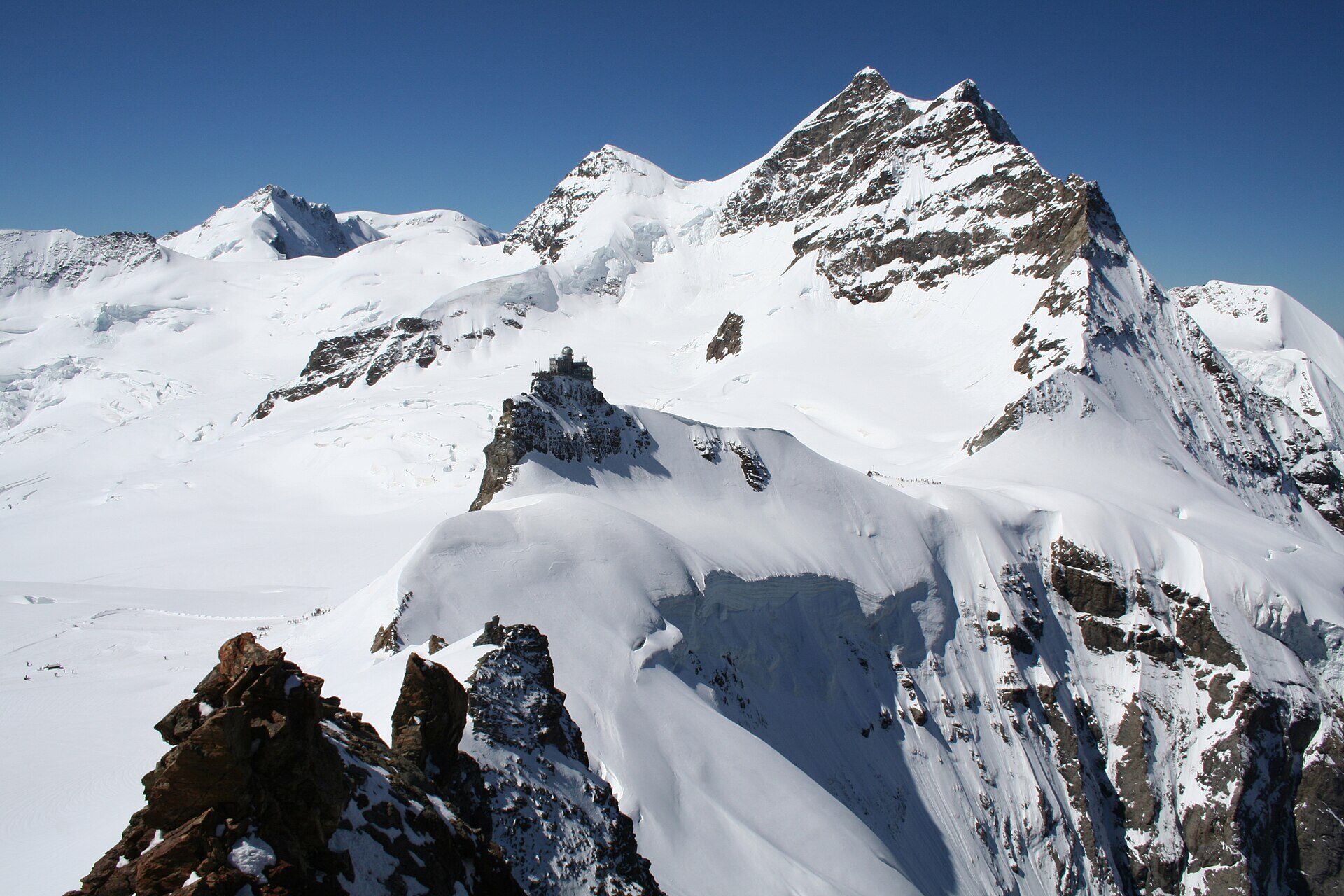
Jungfraujoch (3,454 metres) is the highest railway station in Europe and one of the most dramatic high-altitude experiences accessible to ordinary visitors anywhere in the world, reached by a 110-year-old rack railway that ascends from Grindelwald or Wengen through the interior of the Eiger and Mönch mountains in a 35-minute tunnel journey, emerging at the Sphinx Observatory to a panorama of permanent snowfields, the 23km Aletsch Glacier (the longest glacier in the Alps, a UNESCO World Heritage Site), and the peaks of the Bernese Oberland rising to over 4,000 metres above. Moreover, the Jungfrau Railway was completed in 1912 after 16 years of construction, an engineering achievement that required blasting through 7km of solid granite to build the tunnel section.
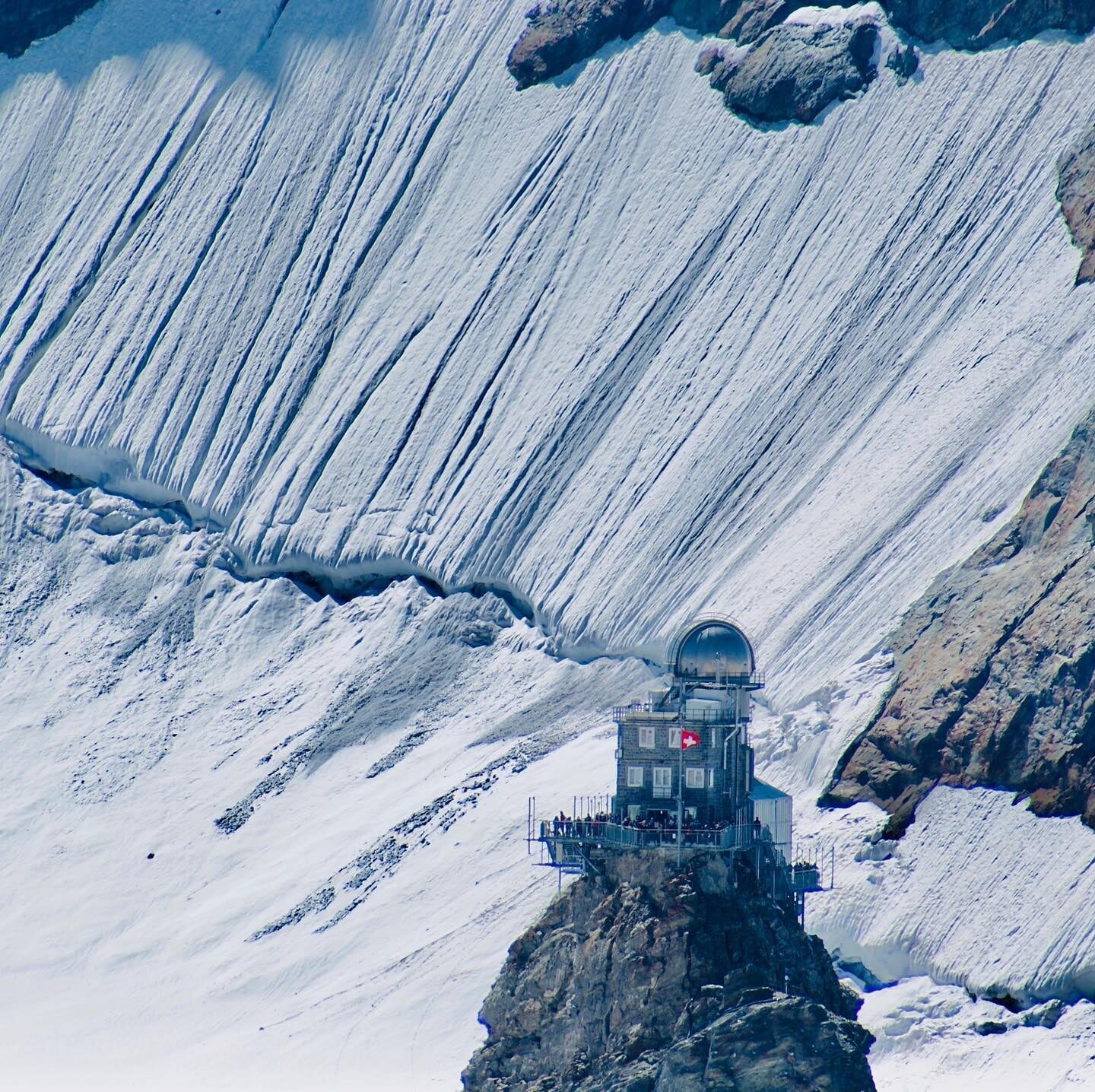

Aletsch Glacier
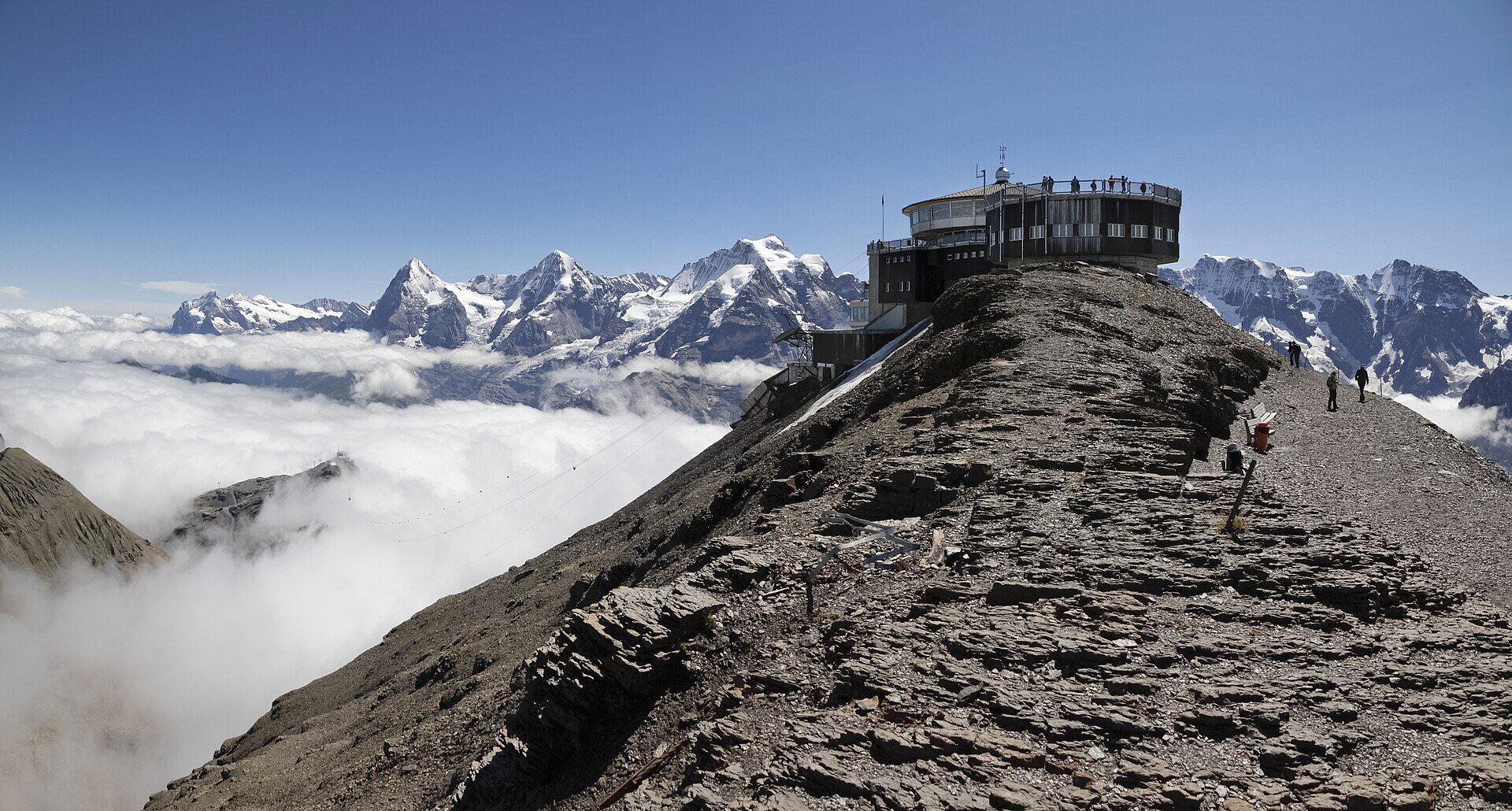
In addition, the Aletsch Glacier viewed from the Jungfraujoch terrace is the visual centrepiece of the experience, a river of ice 23km long and up to 900 metres deep flowing from the snowfields beneath the Jungfrau summit (4,158m) southward toward the Rhône valley in a curve visible in its entirety from the observation terraces. Generally, the glacier's surface reveals the characteristic medial moraines (dark stripes of rock debris running longitudinally down the ice) that form where tributary glaciers merge, and the crevasse fields and ice seracs of the upper section give an impression of the glacier's movement and the scale of the forces involved.
The Aletsch has retreated about 3.5km since 1870 and lost over 3 billion tonnes of ice volume, the contrast between historical photographs shown in the Jungfraujoch exhibition and the current glacier extent gives a stark visualisation of climate change at continental scale.
Activities
Besides, the activities at Jungfraujoch extend beyond viewing. Besides, the snow plateau at 3,454m is a working high-altitude environment. Husky sled rides (about CHF 20 for a short run), skiing and snowboarding on the permanent snow (equipment hire available), and the Ice Palace (a network of tunnels carved into the glacier with ice sculptures, lit in coloured lights, entry included in the Jungfraujoch ticket) extend the visit to a full half-day. Generally, the Sphinx Observatory's research rooms (with working weather and astronomical instrumentation) and the summit terrace (3,571m, reached by a short walk through the snow) give the highest accessible viewpoint without mountaineering equipment.
Journey
In general, the journey is as significant as the destination. In addition, the Bernese Oberland railway system that serves Jungfraujoch is a masterwork of rack-and-pinion engineering, the lower section from Interlaken or Grindelwald traverses the dramatic Lütschine gorge and ascends through the cliff faces above the Grindelwald valley. In addition, the Kleine Scheidegg connection crosses the high saddle between the Eiger's north face and the Wengen ridge with the Three Sisters (Eiger, Mönch, Jungfrau) in close proximity. And the final Jungfrau Railway section disappears into the Eiger's interior through windows cut in the north face (the Eigerwand and Eismeer stations allow brief views through the windows onto the north face and the glacier below).
Practical details
The practical details: The Jungfraujoch round trip from Interlaken Ost costs about CHF 185–220 depending on the route and discount cards (Swiss Travel Pass gives 25% discount. Eurail Pass gives 25% discount. In fact, the GA-Travelcard covers the journey to Kleine Scheidegg, requiring only the Jungfrau Railway surcharge above). Moreover, the journey from Interlaken Ost takes about 2–2.5 hours each way. Departures run from about 7 AM to 4 PM in summer. The last descent typically leaves Jungfraujoch at 5 PM. The Good Morning ticket (first departure, online booking required) is about 15–20% cheaper than standard fares and gives the summit before the main crowds arrive.
Altitude
The altitude affects some visitors, at 3,454m, the air contains about 35% less oxygen than at sea level, and symptoms of mild altitude sickness (headache, slight nausea, breathlessness on exertion) are possible particularly for visitors arriving directly from low altitudes. The total time at altitude is typically 2–3 hours, insufficient for serious altitude acclimatisation to occur but usually manageable with rest, water and slow movement. Children, pregnant women and people with cardiac or respiratory conditions should consult a physician before visiting.
Jungfraujoch tickets and prices
Here is what a visit to Jungfraujoch costs. Prices are per person unless noted. Because they change with the season, treat them as a guide.
| Ticket or service | Price |
|---|---|
| Jungfraujoch return train (from Interlaken) (Via Grindelwald or Lauterbrunnen) | CHF 180–230 |
| Ticket or service | Price |
|---|---|
| Swiss Travel Pass discount (25% off for pass holders) | CHF 130–170 |
| Ticket or service | Price |
|---|---|
| Skiing on the Plateau (summer) (Equipment rental at station · Year-round snow) | CHF 50–80 |
| Sledging on the Plateau (Rental available · All ages) | CHF 10–20 |
| Top of Europe Restaurant (At 3,454m · Alpine lunch) | CHF 35–60/head |
ℹ Prices in Swiss Franc (CHF) . Confirm rates before visiting.
How to get to Jungfraujoch
These are the easiest ways to reach Jungfraujoch, with typical costs and times.
Rack railway from Interlaken Ost
Interlaken Ost → Grindelwald or Lauterbrunnen → Kleine Scheidegg → Jungfraujoch. Book in advance. Good Weather Ticket at discount on confirmed clear days.
Eiger Express gondola + railway
Eiger Express gondola from Grindelwald to Eigergletscher, then rack railway to Jungfraujoch.
Drive to Grindelwald + train
Drive to Grindelwald, park, take the rack railway up. Saves Interlaken segment.
Best time to visit Jungfraujoch
The best time to visit Jungfraujoch is May to June, September and December. March to April and October also work well if your dates are fixed.
- Jan
- Feb
- Mar
- Apr
- May
- Jun
- Jul
- Aug
- Sep
- Oct
- Nov
- Dec
BestGoodFairAvoid
(May–Jun clear, Dec–Mar snow) · Good · OK (Jul–Aug: crowded)
Tips for visiting Jungfraujoch
These tips make a visit to Jungfraujoch easier, especially if it is your first time.
Check the Webcam Before Booking
Visibility at 3,454m is everything. Check the Jungfraujoch webcam at jungfrau.ch and weather forecast the evening before. If forecast is cloudy, postpone if possible. The Good Weather Ticket (sold only on confirmed clear days) saves money and guarantees views.
Always Dress Warmly
Temperature at Jungfraujoch is 0 to -15°C year-round regardless of valley weather. Pack a down jacket, gloves and hat even on a hot summer day in Interlaken.
Walk the Outdoor Plateau
The outdoor snow Plateau above the station gives the best views of the Aletsch Glacier and surrounding peaks. Allow 30 minutes outside, the cold limits comfortable time but the views justify every minute.
Hydrate and Ascend Slowly
Altitude sickness affects some visitors at 3,454m. Drink plenty of water on the journey, rest for 15–20 minutes on arrival before the Sphinx elevator. Descend if symptoms worsen.
Summer Skiing Available
The Plateau has year-round skiing, one of only a handful of summer ski areas in Europe. Equipment rental available at the station.
Arrive Early to Beat Day-Trippers
First trains from Interlaken reach Jungfraujoch around 9:30–10 AM. Arriving on the first service gives 60–90 minutes before the main crowds.
Where to stay near Jungfraujoch
If you want to stay close to Jungfraujoch, start with these hotels. Rates are rough nightly guides, so check before you book.
Victoria-Jungfrau Grand Hotel (Interlaken) ★★★★★
CHF 400–900/nightInterlaken, Jungfrau region hub
One of Switzerland's great historic hotels, Belle Époque grandeur with direct Jungfrau views. In addition, the best base for Bernese Oberland exploration.
The Chedi Andermatt ★★★★★
CHF 500–1,200/nightAndermatt, Central Alps
Award-winning contemporary luxury hotel in the Alps. Exceptional spa and mountain setting. Best Swiss hotel for pure luxury.
Schweizerhof Bern ★★★★★
CHF 350–700/nightBern, 1–3 hrs from most sites
Bern's best hotel, grand 19th-century palace overlooking the Bundesplatz. Excellent restaurant and most central luxury base.
Dormy Inn Interlaken ★★★★
CHF 120–250/nightInterlaken, Jungfrau region
Well-designed contemporary hotel with excellent breakfast. Good base for Bernese Oberland excursions.
Youth Hostel Interlaken ★★★
CHF 35–90/nightInterlaken, Jungfrau base
Switzerland's best youth hostel network, clean, excellent facilities. Private rooms available. Best value for Jungfrau region.
Jungfraujoch: frequently asked questions
How much does Jungfraujoch cost?
Return from Interlaken about CHF 180–230 per adult. Swiss Travel Pass holders receive a 25% discount. Good Weather Tickets (sold when conditions are confirmed excellent) are available at a discount. Book in advance, very popular.
What is at Jungfraujoch?
The Sphinx Observatory (360° panoramic platform at 3,571m), the Ice Palace (carved ice caves with sculptures), the Plateau (snow terrace for skiing and sledding) and the Top of Europe Restaurant. In addition, the Aletsch Glacier, longest in the Alps at 23km, stretches south.
When is the best time to visit?
Check the Jungfraujoch webcam at jungfrau.ch before booking. Good Weather Tickets are only sold when conditions are confirmed clear, always better to wait for a clear day. May–June for clearest spring skies. December–March for snow conditions.
Can I be affected by altitude?
At 3,454m, altitude sickness can affect some visitors, headache, nausea, dizziness. Ascend slowly, hydrate well, rest on arrival before the Sphinx elevator. In fact, all fitness levels can visit, no climbing required.
Updated October 2026. Prices and opening hours change, so check the official website or the official Switzerland tourism site before you travel. Spotted a mistake? Tell us and we will fix it.
Photos: Pmau / CC BY-SA 4.0 via Wikimedia Commons; Ximonic (Simo Räsänen) / CC BY-SA 3.0 via Wikimedia Commons; Gianluca Miscione / CC BY-SA 4.0 via Wikimedia Commons; Ank Kumar / CC BY-SA 4.0 via Wikimedia Commons.