
 Pakistan
Heading to the Khunjerab Pass? Khunjerab Pass is the world's highest paved international border crossing at 4,693 metres, marking the border between Pakistan and China on the Karakoram Highway in Gilgit-Baltistan. This guide covers what it costs, opening hours, the best months to go, how to get there and practical tips.
At a glance
- Entry
- PKR 1,000–2,000 foreigners / PKR 200–400 nationals
- Opening hours
- May–October only
- Best time
- May to September
- Location
- Pakistan-China border, Gilgit-Baltistan
What to expect at Khunjerab
The Khunjerab Pass (4,693m) is the highest paved international border crossing in the world, the point where the Karakoram Highway crosses from Pakistan into China (Xinjiang province) at an altitude where the air contains about 46% less oxygen than at sea level and where the surrounding landscape is an entirely glaciated, treeless high plateau of rock, snow and wind. Moreover, the name derives from the Wakhi words for 'valley of blood', likely referring to the historically treacherous conditions for caravans on this ancient Silk Road crossing.
Besides, the pass is the highest point of the Karakoram Highway (KKH), the remarkable road completed in 1978 after 20 years of construction by Chinese and Pakistani engineers that follows the historic trade route connecting China and the Indian subcontinent through the Karakoram range.


Karakoram Highway
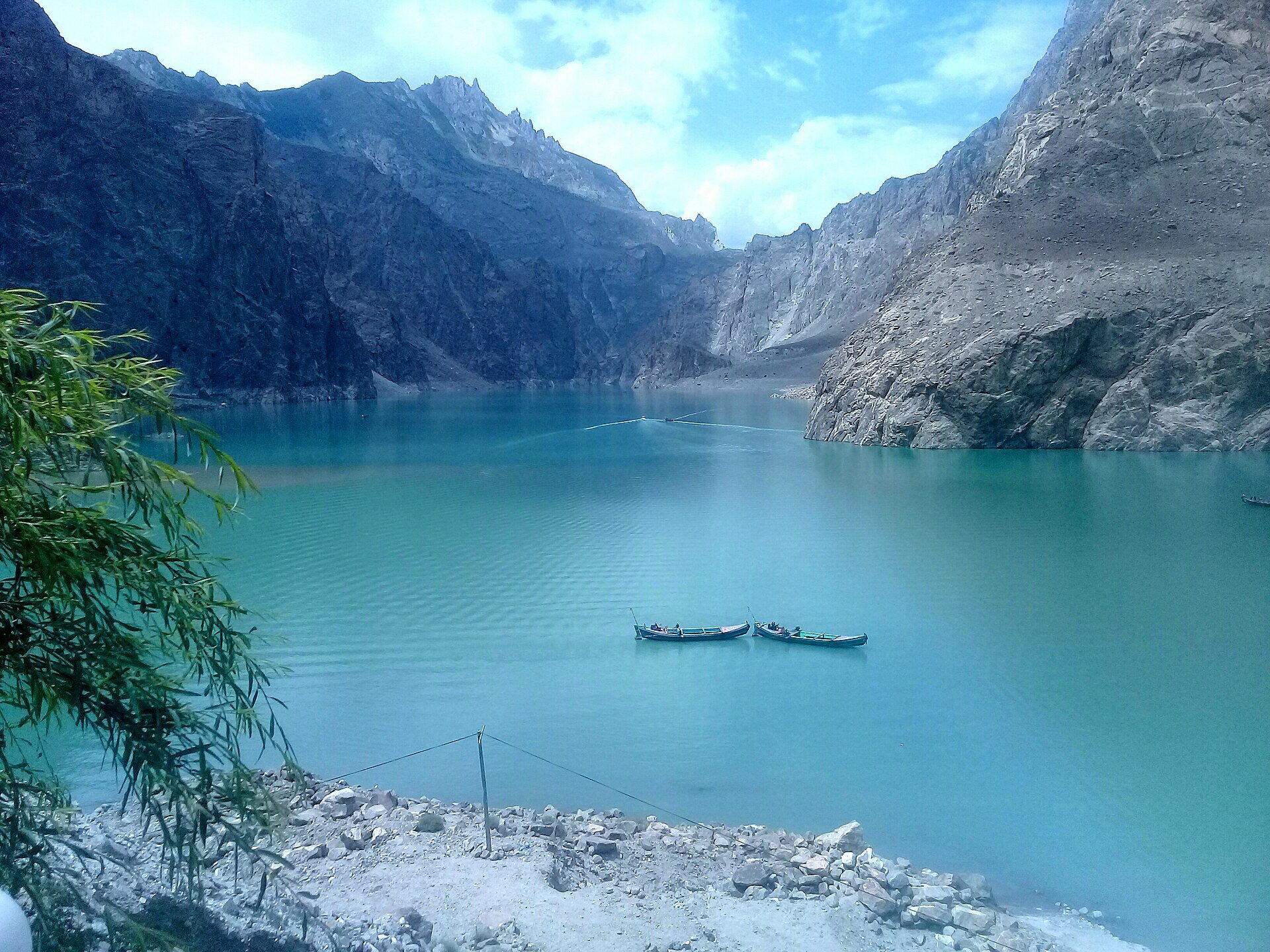
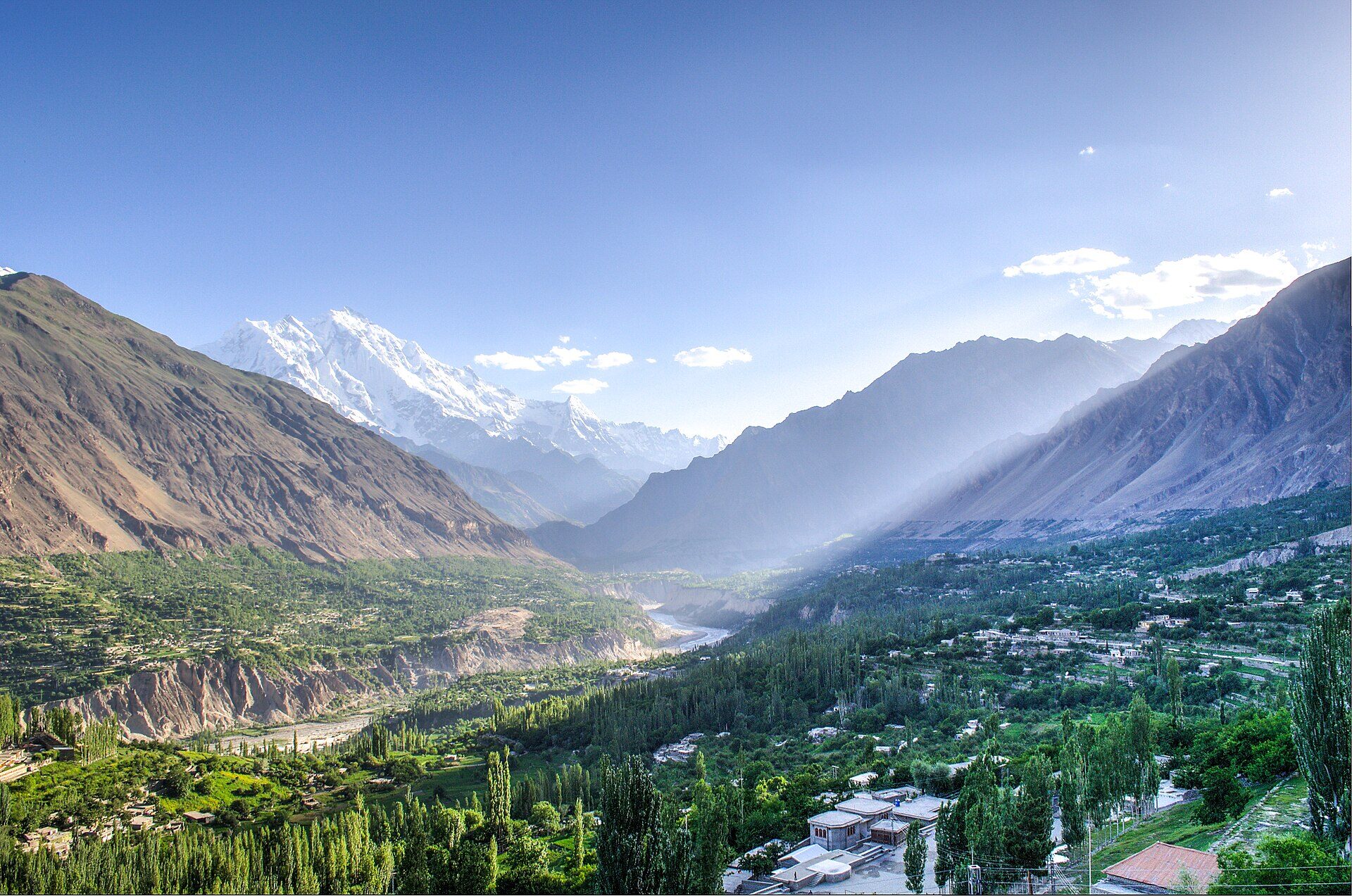
The Karakoram Highway approach to the pass from the Pakistan side is a journey of increasing altitude and decreasing vegetation: from the lush Hunza Valley at 2,400m, the road ascends through the Gojal region's increasingly arid landscapes, passing the turquoise waters of Attabad Lake, the Passu Cones, the high-altitude village of Sost (the last Pakistani town, with the border checkpoint and immigration facilities) and the Khunjerab National Park boundary before entering the completely barren plateau of the pass zone above 4,200m. In addition, the transition from the valley to the treeless, snowbound plateau environment takes about 2 hours from Sost and represents one of the most dramatic altitude and landscape transitions on any road in the world.
Khunjerab National Park
The Khunjerab National Park (established 1975, entry fee included in the KKH permit) protects the high-altitude ecosystem of the pass region, a landscape of particular conservation significance for the Marco Polo sheep (Ovis ammon polii, the largest sheep in the world, the males carrying remarkable spiral horns of up to 190cm) whose population in the Khunjerab and the adjacent Chinese side of the pass has recovered noticeably since the park's establishment.
The best time to see Marco Polo sheep is in the early morning or late afternoon when they graze on the high slopes visible from the road, patient observers can often count herds of 20–50 animals on the hillsides above the highway in the peak summer season (July–August). The park also supports ibex, snow leopard (rarely seen), brown bear, wolves and golden eagles.
Border experience
The border experience at Khunjerab Pass is unlike any other land border on earth, the Pakistan immigration office at Sost (35km from the pass) and the Chinese immigration at Tashkurgan (130km inside China) are where the formalities occur. Generally, the physical pass marker is simply a gate and a collection of flags and signboards at the border line at 4,693m, surrounded by snow-covered mountains on all sides with no other infrastructure visible. Visitors who are not crossing into China can proceed from Sost to the border gate with a valid passport and the Khunjerab National Park entry permit (about PKR 800 per vehicle), spending as much time as they wish at the border before returning.
Full Silk Road experience
The full Silk Road experience of entering China and continuing to Kashgar (about 400km from the border via Tashkurgan) requires a valid Chinese visa obtained before arrival in Pakistan and onward transport arranged in advance, shared jeeps and public buses run from the border to Tashkurgan (90km, about 2 hours) from where the Karakoram Highway continues to Kashgar. In fact, the border between Pakistan and China is open for tourists from about May 1 to October 31, depending on weather conditions at the pass. Also, is subject to occasional closure for political or security reasons, check current status with the Pakistan Tourism Development Corporation before planning a crossing.
Khunjerab Pass is best visited as a day trip from Gulmit or Passu (about 60–70km below the pass, accessible in about 2 hours on the KKH), allowing the altitude gain to be gradual and the pass visit to be made before descending to sleep at lower altitude. The NATCO public bus service from Gilgit to Sost passes through the pass area and is the cheapest transport option (about PKR 500–800 from Gilgit to Sost) Private jeeps can be hired from Karimabad or Sost for the pass day trip at about PKR 5,000–8,000 per vehicle.
Khunjerab tickets and prices
Here is what a visit to the Khunjerab Pass costs. Prices are per person unless noted. Because they change with the season, treat them as a guide.
| Ticket or service | Price |
|---|---|
| Khunjerab National Park Entry Required for all visitors — paid at Sost checkpoint (Required for all visitors — paid at Sost checkpoint) | PKR 1,000–2,000 |
| Vehicle entry fee (per vehicle) Separate from person entry · Collected at Sost (Separate from person entry · Collected at Sost) | PKR 500–1,000 |
| Ticket or service | Price |
|---|---|
| Khunjerab National Park Entry Valid CNIC required at Sost checkpoint (Valid CNIC required at Sost checkpoint) | PKR 200–400 |
| Vehicle entry fee Same for all vehicles (Same for all vehicles) | PKR 500–1,000 |
| Ticket or service | Price |
|---|---|
| Jeep Karimabad → Khunjerab return Full day excursion · 300km round trip (Full day excursion · 300km round trip) | PKR 12,000–20,000 |
| Public van Sost → Khunjerab (shared) Daily service · Limited seats (Daily service · Limited seats) | PKR 500–800 |
| Meal in Sost (last town before pass) Simple restaurant food · Limited options (Simple restaurant food · Limited options) | PKR 400–800 |
| Guesthouse in Sost (overnight) Basic but clean · Enables early morning pass visit (Basic but clean · Enables early morning pass visit) | PKR 2,000–5,000 |
Dual Pricing: Pakistan operates a two-tier entry system. Foreign visitors pay a higher rate. Always confirm at the gate.
How to get to Khunjerab
These are the easiest ways to reach the Khunjerab Pass, with typical costs and times.
Jeep hire from Karimabad (full day)
Full day excursion from Karimabad via Attabad tunnels, Passu, Gulmit, Sost to Khunjerab border gate. Most spectacular route.
Public van Gilgit → Sost + local van
Daily public vans Gilgit to Sost, then shared transport to pass. Budget option, requires overnight in Sost.
Fly Islamabad → Gilgit + drive KKH
PIA to Gilgit, then north on KKH, passing Karimabad, Attabad Lake, Passu. Combine as multi-day KKH journey.
Best time to visit Khunjerab
The best time to visit the Khunjerab Pass is May to September. If you can, avoid November to April.
- Jan
- Feb
- Mar
- Apr
- May
- Jun
- Jul
- Aug
- Sep
- Oct
- Nov
- Dec
BestGoodFairAvoid
(June–August) · OK (May/Sep/Oct, cold, possible snow) · Closed (border shut)
Tips for visiting Khunjerab
These tips make a visit to the Khunjerab Pass easier, especially if it is your first time.
Acclimatise Before the Pass
At 4,693m, Khunjerab Pass is at serious altitude. If driving up from Gilgit (1,500m) in one day, take it slowly and watch for altitude sickness symptoms. Spending a night in Karimabad (2,400m) first is a good idea.
Snow Can Appear Any Month
Even in July and August, snow can fall on the pass with little warning. Pack warm layers, waterproofs and spare food regardless of season. Check weather forecasts and road conditions at Sost before proceeding.
Watch for Marco Polo Sheep
The slopes around Khunjerab harbour Marco Polo sheep, the largest wild sheep species in the world with massive curved horns. Best seen early morning or late afternoon on the grass slopes above the road.
Start Before 8 AM
The pass is 3–4 hours from Karimabad. Leave by 6–7 AM to arrive with time at the border gate before afternoon clouds build. The drive back in afternoon light is also spectacular through Attabad Lake.
Carry Your Passport
In addition, the Pakistani checkpoint at Sost records all visitor details. Foreigners must show passport. The Chinese border crossing requires a valid Chinese visa, arrange this well before your visit, not at the gate.
Cash Before Sost
Sost has no functioning ATM. Withdraw sufficient PKR in Karimabad or Gilgit before heading north. The park fees and any guesthouse costs must be paid in cash.
Where to stay near Khunjerab
If you want to stay close to the Khunjerab Pass, start with these hotels. Rates are rough nightly guides, so check before you book.
Mountain Refuge Hotel Sost ★★★
PKR 4,000–8,000/nightSost village — 90 km from Khunjerab
The best hotel in Sost, the last town before the border. Reliable hot water, decent restaurant and helpful owner who can arrange morning transport to the pass. Essential base for early departures.
PTDC Motel Sost ★★
PKR 3,000–6,000/nightSost — last town before border
Government-run motel in Sost with basic facilities, reliable beds and information on current border conditions and road status. Restaurant serves simple but adequate food.
Gulmit Inn ★★★
PKR 4,000–8,000/nightGulmit village, 50 km from pass
Well-positioned base in Gulmit, midway between Karimabad and Khunjerab. Good food, mountain views and a quieter alternative to busier Karimabad.
Passu Inn ★★★
PKR 4,000–9,000/nightPassu, 45 km from pass
Excellent base combining access to both Khunjerab Pass and the famous Passu Cathedral Spires. Day trip to pass is straightforward. Superb food and the best Passu Cones view of any guesthouse.
Serena Hotel Hunza ★★★★★
PKR 35,000–60,000/nightKarimabad, 150 km from pass
If budget allows, use Karimabad's best hotel as your base and do Khunjerab as a full-day excursion. The hotel arranges everything including jeep hire, packed lunches and Sost stop.
Khunjerab: frequently asked questions
How much does it cost to visit the Khunjerab Pass?
Prices for the Khunjerab Pass start from PKR 1,000–2,000 foreigners / PKR 200–400 nationals. Khunjerab National Park Entry Required for all visitors — paid at Sost checkpoint: PKR 1,000–2,000; Vehicle entry fee (per vehicle) Separate from person entry · Collected at Sost: PKR 500–1,000. Also, booking online is usually cheaper than paying at the gate.
What altitude is Khunjerab Pass?
Khunjerab Pass stands at 4,693 metres (15,397 feet) above sea level, making it the world's highest paved international border crossing. In fact, the pass marks the border between Pakistan and China on the Karakoram Highway.
Do I need a permit to visit Khunjerab Pass?
Pakistani and Chinese nationals and most foreign tourists can visit the Pakistani side of Khunjerab Pass. In addition, the Khunjerab National Park charges an entry fee (PKR 1,000–2,000 for foreigners). To cross into China you need a valid Chinese visa. Besides, the border is only open May to October.
How do I get to Khunjerab Pass?
From Karimabad (Hunza), hire a jeep to Khunjerab Pass, about 150km, 3–4 hours drive through Passu and Sost. Public vans on the KKH connect Gilgit and Sost. From Sost (the last Pakistani town before the border) it is 90 minutes to the pass. Sost has basic guesthouses for those doing the pass over two days.
What is there to see at Khunjerab Pass?
The pass itself has a border marker and a small checkpoint. Generally, the landscape is a high Pamir plateau, treeless, vast, often snow-covered. Marco Polo sheep are sometimes visible on the slopes. Also, the KKH continues into China. Moreover, the view back toward Pakistan's Karakoram peaks from the plateau is remarkable.
What are the opening hours of the Khunjerab Pass?
Khunjerab is open May–October only. Hours can change on public holidays, so check before you travel.
Updated October 2026. Prices and opening hours change, so check the official website or the official Pakistan tourism site before you travel. Spotted a mistake? Tell us and we will fix it.
Photos: Nain Malik / CC BY-SA 4.0 via Wikimedia Commons; Preston Rhea / CC BY-SA 2.0 via Wikimedia Commons; Preston Rhea / CC BY-SA 2.0 via Wikimedia Commons; Anthonymaw / CC BY-SA 3.0 via Wikimedia Commons.