 Georgia
Heading to Sighnaghi wine country? Sighnaghi is a hilltop walled town in the Kakheti region of Georgia, the country's wine heartland and birthplace of winemaking 8,000 years ago, producing amber and red wines using the ancient qvevri clay-pot method. This guide covers what it costs, the best months to go, how to get there and practical tips.
At a glance
- Entry
- GEL 10–30 (Winery visit + tasting (Kakheti))
- Best time
- May to June and October to November
- Location
- Kakheti, eastern Georgia, 2 hrs from Tbilisi
What to expect at Sighnaghi
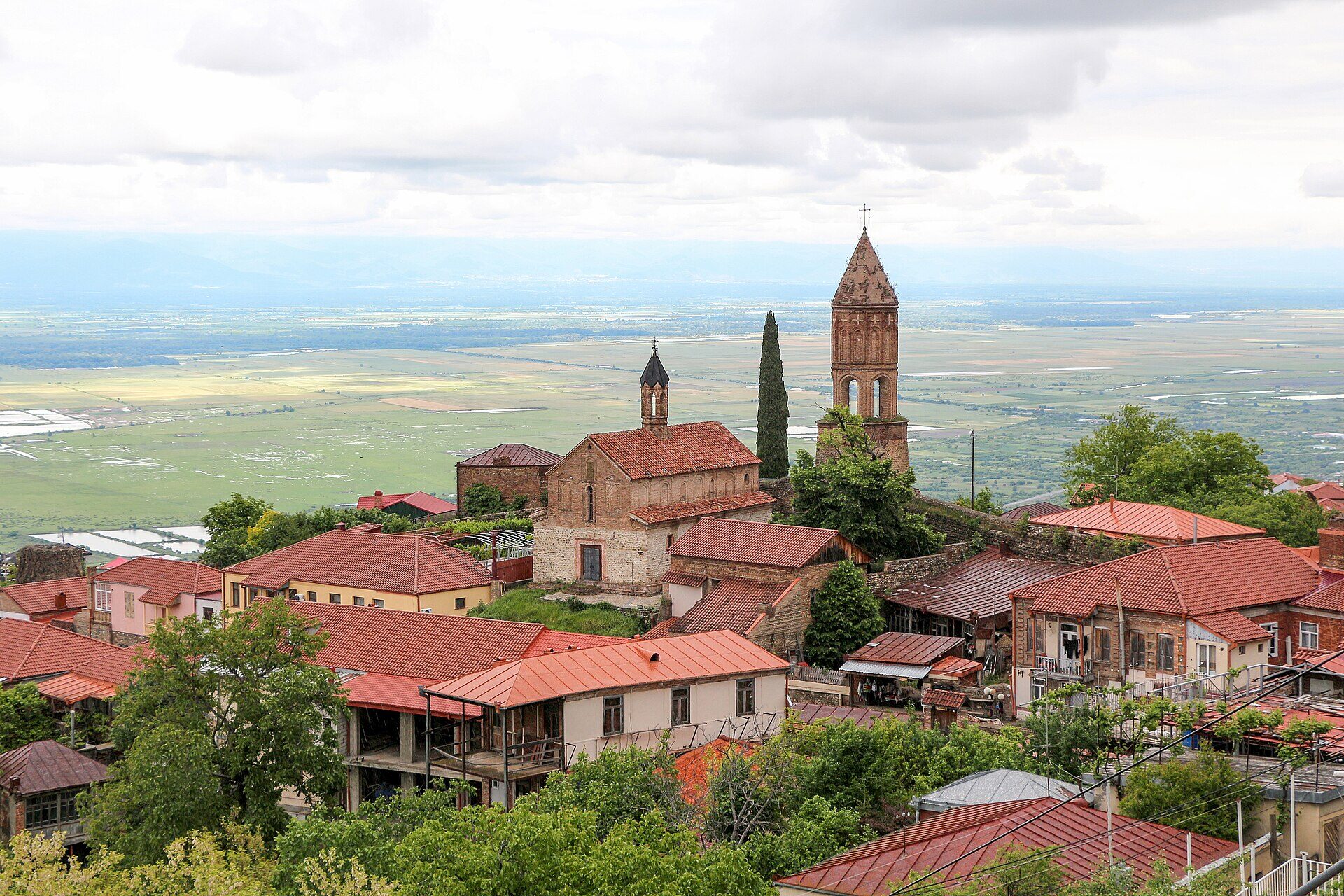
Sighnaghi is the most romantically sited town in Georgia, a walled hilltop settlement in the Kakheti wine region with the panorama of the Alazani River plain and the Greater Caucasus range as backdrop, its cobbled streets of 18th-century townhouses in red tile and carved wood giving it the most photogenic urban character of any small town in the Caucasus. The town is enclosed within the original 18th-century defensive walls (some of the best-preserved in Georgia, with watchtowers still intact), and its restoration since 2007, controversial in some circles for its theme-park thoroughness but effective in preserving the town's character, has made it the primary destination in Georgia for wine tourism and a significant weekend escape from Tbilisi (2.5 hours by road).


Wine
The wine is the defining reason to visit Sighnaghi and the Kakheti region, Georgia is the world's oldest wine-producing country, and the Kakheti region (which produces about 70% of Georgian wine) is where the traditional qvevri method (fermentation of whole grape clusters, including skins, seeds and stems, in large clay vessels buried underground for 6–12 months) creates the amber-coloured skin-contact whites and the deeply coloured reds that are Georgian wine's defining products.
The method produces wines with natural tannins in the white wines (due to skin contact during fermentation), amber colour (from the polyphenols extracted from the skins and seeds), and a complexity of flavour unavailable from conventionally fermented wines. These are the wines now classified by the natural wine movement as 'orange wines', though Georgians have been making them for 8,000 years without benefit of that marketing category.
Wine tourism infrastructure
The wine tourism infrastructure of the Kakheti region is the most developed in the Caucasus, over 100 family wineries offer tastings and cellar tours in the villages of Kvareli, Telavi, Tsinandali, Gurjaani and the surrounding countryside. In fact, the best single wine experience is a cellar visit at a family winery where the qvevri vessels are embedded in the earthen floor of the wine cellar, seeing the clay vessel openings at floor level, smelling the fermenting grape must in the 200-year-old cellar space, and tasting directly from the vessel with a shared drinking horn (kvevi) is a ancient experience available only in Georgia and in a handful of similar wine cultures in the Caucasus.
In addition, the Pheasant's Tears winery and restaurant in Sighnaghi itself. Also, the Twins Wine House in Napareuli, are among the most frequently recommended for the quality of both their wine and their visitor experience.
Bodbe Monastery
The Bodbe Monastery (3km south of Sighnaghi, free entry) is one of Georgia's most important pilgrimage sites, a 9th-century monastery church containing the tomb of St. Nino, the 4th-century Christian missionary from Cappadocia who converted Georgia to Christianity in 337 AD, making Georgia one of the oldest Christian nations on earth. The monastery gardens, with their view over the Alazani plain and the Caucasus range visible across it, are among the most atmospheric religious landscapes in Georgia, and the pilgrimage tradition (the monastery receives visitors from across Georgia and from the Georgian diaspora worldwide seeking healing and blessing at St. Nino's tomb) gives it a living religious significance entirely absent from more touristic heritage sites.
Open-air museum of Sighnaghi
The open-air museum of Sighnaghi and the local history museum (in the town's main street, admission about GEL 5) give the clearest account of Kakheti's history: from the ancient Kura-Araxes culture through the Hellenistic Iberian kingdom, the medieval Georgian kingdoms, the Mongol and Timurid destructions, the Russian protectorate and the Soviet collective farm period that transformed Kakheti's wine culture into industrial production. The recovery of artisanal qvevri wine-making since Georgian independence in 1991 is one of the most remarkable cultural revivals in the post-Soviet Caucasus and is the context for the current international interest in Georgian wine.
The best time to visit Sighnaghi and Kakheti is the harvest season (mid-September to mid-October, Rtveli in Georgian) when the grape harvest brings an intense, communal agricultural and social energy to the region, the harvesting, pressing and filling of qvevri occurs simultaneously across hundreds of family wineries and the roads between villages smell of fermenting grape must for weeks. Besides, the Tbilisi-Sighnaghi marshrutka departs from Tbilisi's Samgori metro station several times daily (about GEL 8–10, 2.5 hours). A rental car gives far more flexibility for winery visits.
Sighnaghi tickets and prices
Here is what a visit to Sighnaghi wine country costs. Prices are per person unless noted. Because they change with the season, treat them as a guide.
| Ticket or service | Price |
|---|---|
| Winery visit + tasting (Kakheti) (Most family wineries welcome visitors · GEL 10–30 pp) | GEL 10–30 |
| Sighnaghi Museum (Regional history + wine archaeology · GEL 5) | GEL 5 |
| Bodbe Monastery (Sighnaghi) (Tomb of St. Nino · 9th century · 15 min from town) | Free |
| Kvareli lake + winery (1 hr from Sighnaghi) (Kindzmarauli winery · Finest red wine producer) | GEL 15–25 tasting |
| Rtveli wine harvest festival (October) (Community celebration · Pressing visible · Free) | Free |
How to get to Sighnaghi
These are the easiest ways to reach Sighnaghi wine country, with typical costs and times.
Marshrutka from Tbilisi Samgori metro
Marshrutka from Samgori metro station to Sighnaghi. Regular departures throughout the day. Ask locals at Samgori for the Sighnaghi bay.
Private car from Tbilisi
Hire a driver from Tbilisi for a full day, Sighnaghi + Bodbe monastery + 1–2 Kakheti wineries. GEL 120–160 for full day.
Marshrutka Sighnaghi → Telavi (Kakheti capital)
Expand into Kakheti from Sighnaghi. Telavi has good hotels and central location for wider winery exploration.
Best time to visit Sighnaghi
The best time to visit Sighnaghi wine country is May to June and October to November. April and July to September also work well if your dates are fixed.
- Jan
- Feb
- Mar
- Apr
- May
- Jun
- Jul
- Aug
- Sep
- Oct
- Nov
- Dec
BestGoodFairAvoid
(Oct: rtveli harvest · May–Jun: spring) · Good (Sep, Jul–Aug: warm) · OK (winter: vines bare but atmospheric)
Tips for visiting Sighnaghi
These tips make a visit to Sighnaghi wine country easier, especially if it is your first time.
Visit in October for the Rtveli Harvest
The October wine harvest (rtveli) transforms Kakheti, vineyards full of family pickers, roadside stands selling fresh grape juice and churchkhela walnut-grape sweets, family wineries pressing in their courtyards. Generally, the best time to visit Georgia's wine country.
Visit a Family Winery in the Villages
The best wine experience in Georgia is not a large commercial winery but a family marani (wine cellar) in a Kakheti village, GEL 10–20 for home-made wine, churchkhela and fresh bread. Ask your Sighnaghi host to recommend a family.
Order Rkatsiteli and Mtsvane Amber Wines
The best Kakheti amber wines are Rkatsiteli (tannic, nutty, complex) and Mtsvane (aromatic, golden, floral). Both are produced by the 6-month qvevri skin-contact method. These are unlike any white wine produced outside Georgia.
Walk to Bodbe Monastery
Bodbe Monastery (tomb of St. Nino, who brought Christianity to Georgia in the 4th century) is 15 minutes downhill from Sighnaghi. Moreover, the 9th-century church, spring-fed garden and Alazani Valley views are the best spiritual site near Sighnaghi.
Walk the Sighnaghi Walls
The 3km perimeter wall (23 towers, walkable) gives the best 360° view of the Alazani Valley and the Caucasus range, particularly beautiful at sunset when the peaks turn gold.
Sunrise From the Sighnaghi Belvedere
In general, the belvedere viewpoint above Sighnaghi at sunrise, the Alazani Valley mist below, the Greater Caucasus lit from the east, is the best available view in Kakheti and one of the finest in Georgia.
Where to stay near Sighnaghi
If you want to stay close to Sighnaghi wine country, start with these hotels. Rates are rough nightly guides, so check before you book.
Rooms Hotel Tbilisi ★★★★★
USD 150–350/nightTbilisi, 2 hrs from Sighnaghi (day trip base)
Use Tbilisi as a base for a Sighnaghi day trip or overnight at a local guesthouse.
Hotel Sololaki, Sighnaghi ★★★★
GEL 120–200/nightSighnaghi Old Town
Best mid-range in Sighnaghi, views of the Alazani Valley from the terrace, comfortable rooms and excellent local wine list.
Guesthouse Keto, Sighnaghi ★★★
GEL 60–100/nightSighnaghi centre
Best family guesthouse in Sighnaghi, home-made wine, home-cooked supra and real Georgian hospitality. Book well in advance.
Chateau Mere (Kakheti winery hotel) ★★★★★
GEL 250–450/nightKakheti vineyards, 30 min from Sighnaghi
Stay inside a working wine estate, remarkable cellar tours, vineyard walks and exceptional Georgian wine dinners.
Sighnaghi: frequently asked questions
How much does it cost to visit Sighnaghi wine country?
Prices for Sighnaghi wine country start from GEL 10–30 (Winery visit + tasting (Kakheti)). Winery visit + tasting (Kakheti): GEL 10–30; Sighnaghi Museum: GEL 5; Bodbe Monastery (Sighnaghi): Free.
Why is Georgia the birthplace of wine?
Archaeological evidence from Gadachrili Gora (south of Tbilisi) shows wine production in clay vessels 8,000 years ago, the world's oldest known winemaking. The Georgian qvevri method (fermenting grape must including skins in sealed clay pots buried underground) is UNESCO Intangible Cultural Heritage.
What is amber wine?
Amber wine (also called orange wine) is white grape wine fermented with extended skin contact, the same method as red wine but with white grapes. Georgia invented this technique and the resulting wines have intense tannins, complex texture and amber colour.
When is the best time to visit Kakheti?
October harvest (rtveli) is the best, vineyards full of pickers, roadside vendors selling fresh grape juice (tatara), family wineries pressing grapes and the entire region celebrating. September is quieter and equally beautiful.
How do I get from Tbilisi to Sighnaghi?
Marshrutka from Tbilisi Samgori metro station (GEL 7, 2 hours). Or private car (2 hours, GEL 60–80 each way). Sighnaghi is the most tourist-friendly Kakheti town, walled, beautiful, easy to navigate.
Updated October 2026. Prices and opening hours change, so check the official website or the official Georgia tourism site before you travel. Spotted a mistake? Tell us and we will fix it.
Photos: Paata vardanashvili / CC BY-SA 4.0 via Wikimedia Commons; Bernard Gagnon / CC BY 4.0 via Wikimedia Commons; Bernard Gagnon / CC BY 4.0 via Wikimedia Commons; Bernard Gagnon / CC BY 4.0 via Wikimedia Commons.