 Azerbaijan
Heading to Yanar Dag? Yanar Dag is a hillside near Baku, Azerbaijan, where natural gas seeping through sandstone has burned continuously for centuries, creating a spectacular 10-metre-wide natural fire visible day and night. This guide covers what it costs, the best months to go, how to get there and practical tips.
At a glance
- Entry
- Free
- Time needed
- 30–45 minutes
- Location
- Absheron Peninsula, 25km north of Baku
What to expect at Yanar Dag
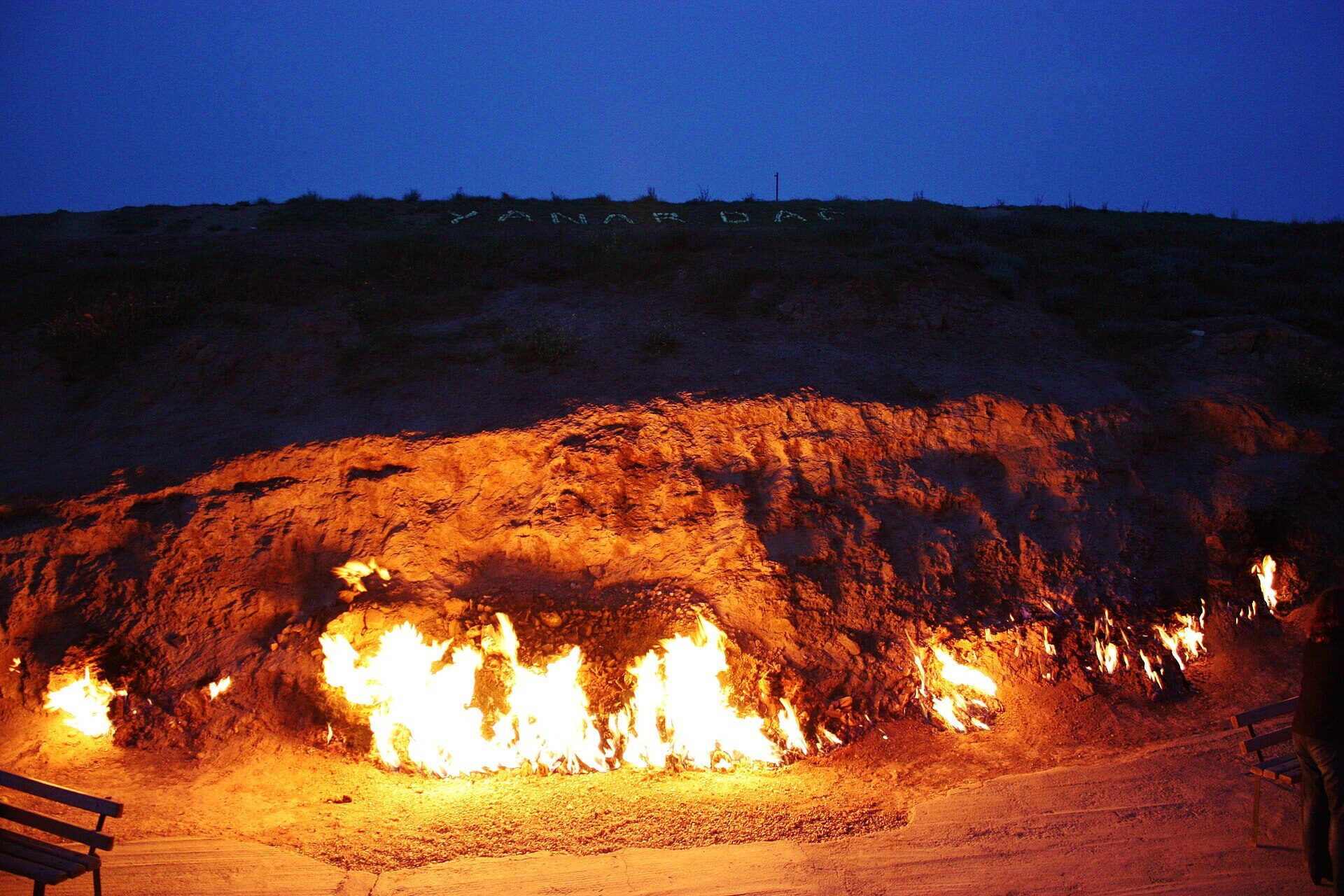
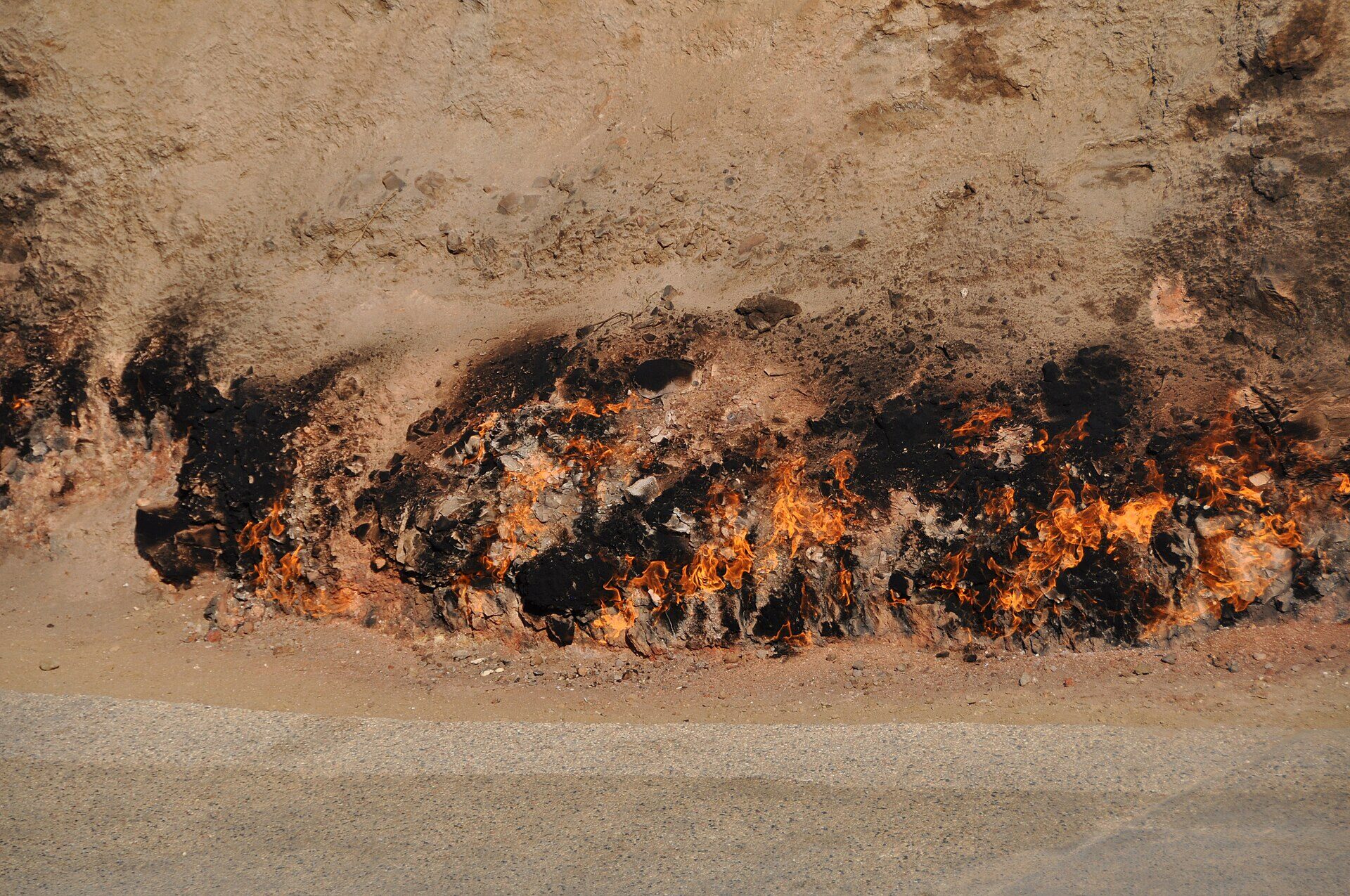
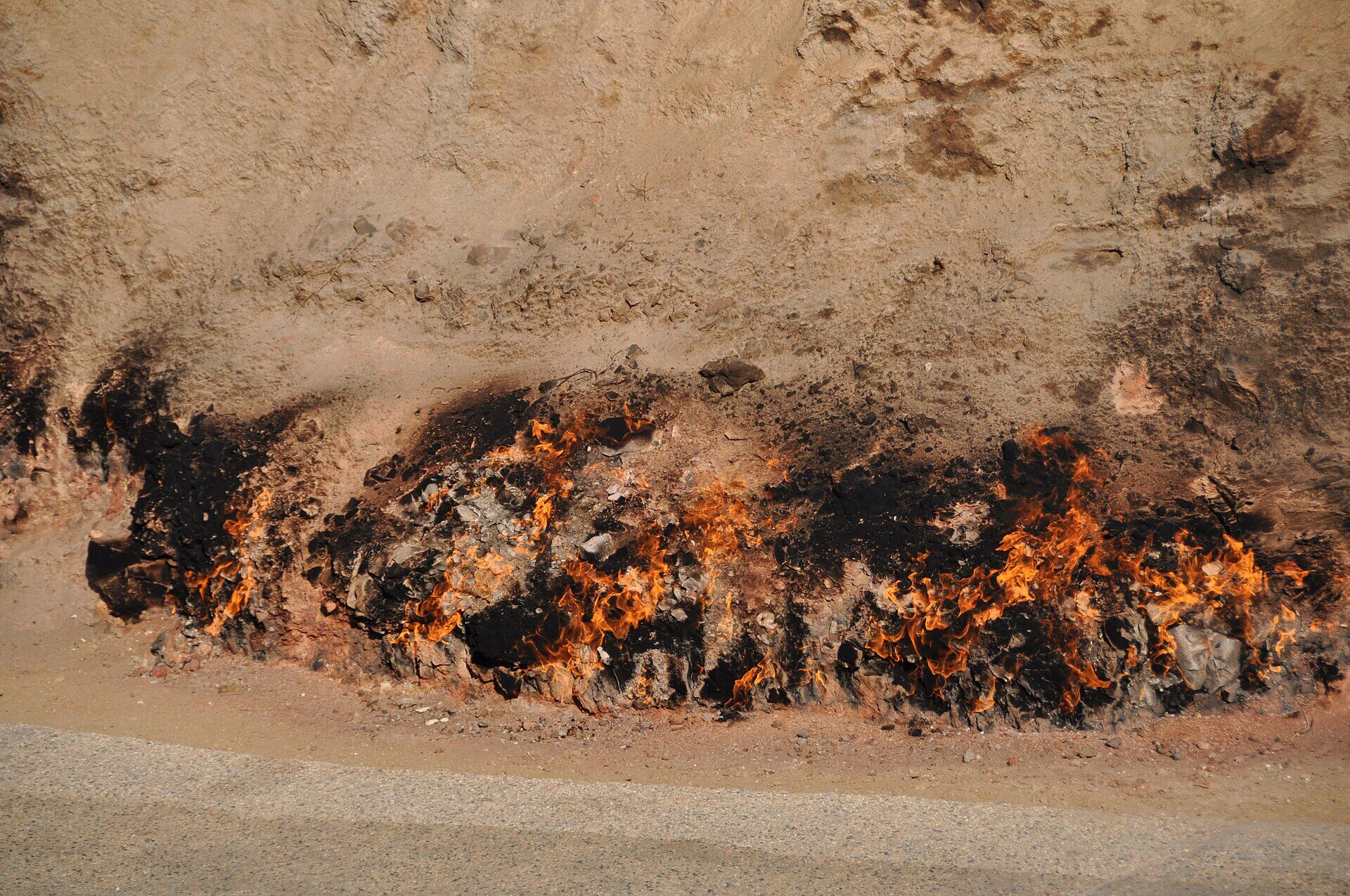
Yanar Dag ('Burning Mountain') is a natural gas seep on the slopes of the Absheron Peninsula 25km north of Baku where natural gas leaking from the ground has burned continuously for centuries, a hillside where a 10-metre section of slope is permanently on fire, the flames reaching 3 metres in height and burning steadily in all weather conditions, including rain. In addition, the phenomenon gave Azerbaijan its ancient Persian name (Azar Bayjan, 'Land of Fire') and was documented by Marco Polo in the 13th century, who described the Absheron Peninsula's natural fires with astonishment in his accounts of his travels toward China.

Geological explanation
Besides, the geological explanation is straightforward: the Absheron Peninsula sits above one of the world's most productive petroleum-bearing geological formations, and natural gas seeps have been occurring at the surface for millennia wherever fractures in the rock allow gas to migrate upward. The site's fire is fed by shallow gas deposits directly below the surface. Also, the flow is sufficient to sustain continuous combustion. Also, the site has been documented as continuously burning for at least several centuries. Industrial oil extraction beginning in the 1870s reduced the pressure in many of the peninsula's gas-bearing formations, extinguishing most of the natural fires that once burned across the Absheron, making the site's survival as a continuously burning site increasingly rare.
Experience at night
The experience at night is dramatically different from a daytime visit, after dark, the flames illuminate the surrounding landscape in amber and the heat is palpable from 10–15 metres. In addition, the sound of the continuously burning gas (a low steady roar) and the smell of combustion add to the sensory intensity of the experience. This site is most atmospheric between sunset and midnight, when the surrounding landscape is dark and the flames appear at their most dramatic. Besides, the site is accessible at any hour and has no entry fee.
Ateshgah Fire Temple
The Ateshgah Fire Temple, 15km south of the site at Surakhani (entry about 5 AZN), is the most important companion site, a 17th-18th century temple built by Zoroastrian and Hindu merchants and pilgrims from India over a natural gas seep that kept its central eternal flame burning continuously until industrial oil drilling in the 1880s reduced the gas pressure and extinguished it. Besides, the temple is now lit by a piped gas supply to recreate the original effect. Together, the site and Ateshgah document the ancient relationship between Azerbaijan's natural gas fires and the Zoroastrian and Hindu fire worship traditions that gave them religious significance across centuries of trade and pilgrimage.
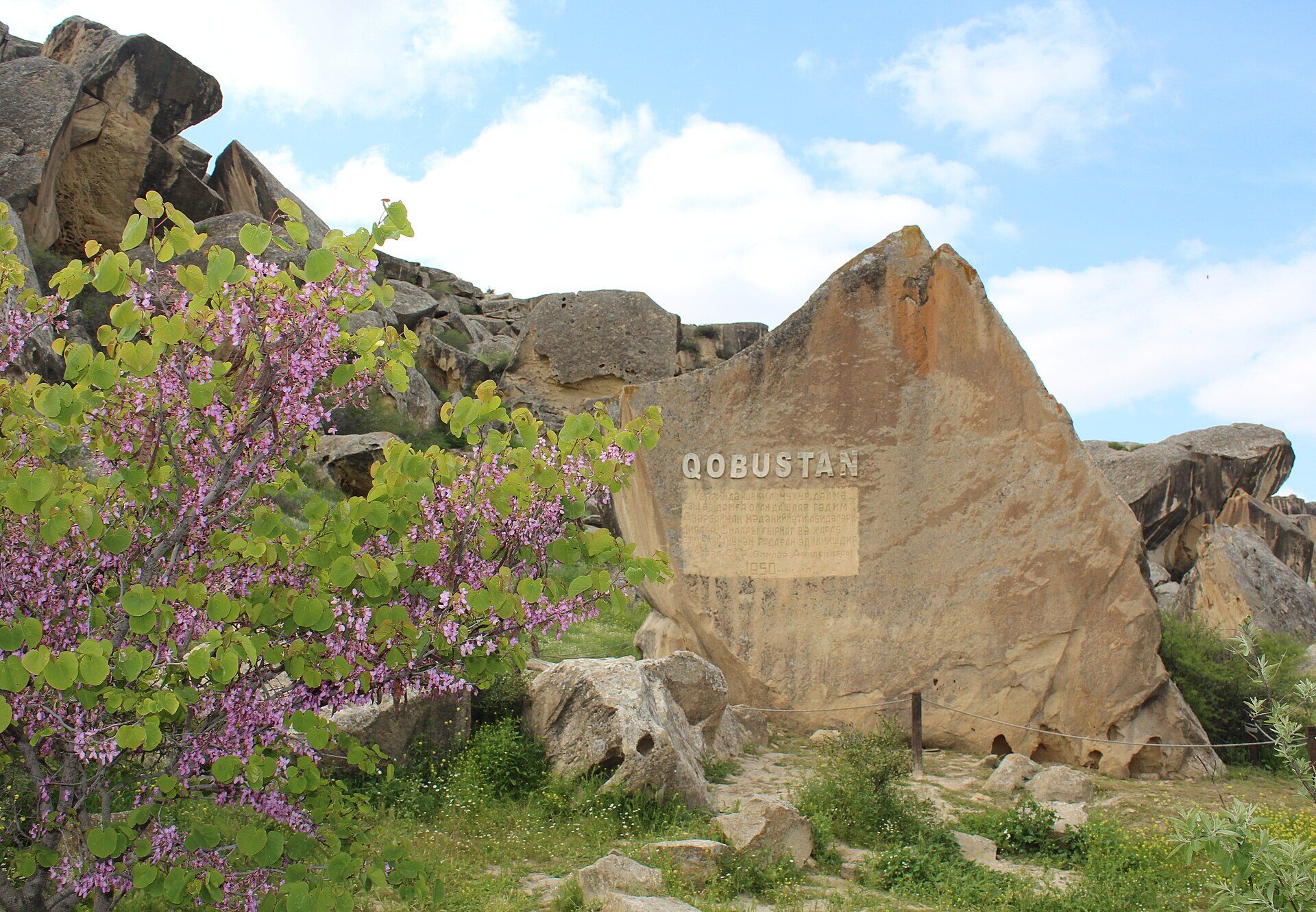
Both sites are most efficiently visited as a half-day trip from Baku combined with the Gobustan rock art site (south of Baku) or the Absheron oil fields (the nodding-donkey oil pump landscape of the late 19th-century oil boom). Moreover, a private taxi from central Baku covering the site and Ateshgah takes about 3–4 hours and costs around 40–60 AZN for the car. Marshrutka (shared minibus) service to the site departs from the Koroğlu metro station, taking about 30 minutes.
Worth knowing
The small visitor centre adjacent to the site has a cafe and gift shop, and a trained guide (available in Azerbaijani and Russian, with some English) can provide additional historical and geological context. In fact, the best photograph is taken from the official viewing terrace about 20 metres from the flames, using a wide-angle lens to capture both the fire and the night sky above the Absheron landscape. In winter (December–February), the flames are particularly striking against the cold dark air and any frost or snow on the surrounding ground.
Yanar Dag tickets and prices
Here is what a visit to the site costs. Prices are per person unless noted. Because they change with the season, treat them as a guide.
| Ticket or service | Price |
|---|---|
| The site entry (Free · 30–45 min visit · Best at dusk/dark) | Free |
| Ateshgah Fire Temple entry (15km south · UNESCO candidate · Excellent museum) | AZN 3–5 |
| Taxi Baku → the site → Ateshgah return (Combined half-day · Negotiate full package price) | AZN 30–60 |
| Dinner with Flame Tower views (Baku Boulevard) (Combine the site half-day with Baku evening) | AZN 20–50/head |
How to get to Yanar Dag
These are the easiest ways to reach the site, with typical costs and times.
Taxi from Baku
Most practical. Negotiate a return price (AZN 30–50) including waiting time. Ask driver to also cover Ateshgah Fire Temple for AZN 50–80 total round trip.
Public bus from 20th January metro
Bus 268 or 195 towards Absheron area stops near the site. 5–10 min walk to site. Cheap but less convenient.
Organised tour from Baku (group)
Several Baku operators run "Land of Fire" half-day tours combining the site and Ateshgah. Most convenient for solo travellers.
Best time to visit Yanar Dag
You can visit the site at any time of year. March to November also work well if your dates are fixed.
- Jan
- Feb
- Mar
- Apr
- May
- Jun
- Jul
- Aug
- Sep
- Oct
- Nov
- Dec
BestGoodFairAvoid
(all year · dusk/evening visit) · Good (any time of day) · OK (winter, cold but flames most vivid against dark sky)
Tips for visiting Yanar Dag
These tips make a visit to the site easier, especially if it is your first time.
Visit at Sunset or After Dark
The site flames are visible 24 hours but most dramatic at dusk and after dark. Plan your arrival for 30 minutes before sunset.
Combine with Ateshgah Fire Temple
The Ateshgah Fire Temple (15km south, AZN 3–5 entry) provides the historical and cultural context for what you see at the site. Visit Ateshgah first (morning), then the site at sunset.
Don't Touch the Flames or Ground Near Them
The site fire is a real natural flame, the ground near it is hot. A viewing platform and barrier are provided. Stay within the barrier.
Long Exposure Photography at Night
This site at night with a 5–15 second exposure produces outstanding photographs. Also, the flame becomes a blurred curtain of orange light. Moreover, a tripod is essential.
Easy Combination with Baku Evening
The site is 30–40 minutes from central Baku, go late afternoon, watch the sunset fire display, return to Baku for dinner on the Boulevard with Flame Tower views. Generally, a perfect Baku day.
Keep Visit Short — 30–45 Minutes is Enough
This site is a single natural spectacle, a viewing platform in front of a burning hillside. Plan 30–45 minutes maximum. Besides, the value is in timing (sunset) and combination with Ateshgah.
Where to stay near Yanar Dag
If you want to stay close to the site, start with these hotels. Rates are rough nightly guides, so check before you book.
Boutique Hotel 19, Baku Old City ★★★★
AZN 120–220/nightBaku Old City, 35 min from the site
Best base for the site day trip. Owner arranges taxi drivers experienced with Absheron Peninsula excursions.
Four Seasons Baku ★★★★★
AZN 400–800/nightBaku waterfront, 30 min from the site
Baku's best hotel arranges private Absheron excursions including the site, Ateshgah and mud volcanoes in a half-day.
Sultan Inn Old City ★★★
AZN 60–120/nightBaku Old City, 35 min from the site
Budget option inside the Old City, affordable and the host knows the best the site taxi drivers for reliable sunset timing.
Meridian Hotel Baku ★★★★
AZN 80–160/nightCentral Baku, 35 min from the site
Good-value mid-range with tour desk and reliable taxi service for Absheron excursions.
Yanar Dag: frequently asked questions
How much does it cost to visit Yanar Dag?
Prices for the site start from Free. The site entry: Free; Ateshgah Fire Temple entry: AZN 3–5; Taxi Baku → the site → Ateshgah return: AZN 30–60.
How does Yanar Dag burn?
Natural gas seeping continuously through fissures in sandstone ignites on contact with air. The fire has burned for at least several centuries, documented by Marco Polo in the 13th century. Besides, the flame is about 10 metres wide and 3 metres high.
Is Yanar Dag worth visiting?
Yes, especially at night or evening when the flames are most dramatic. In addition, the 10-metre-wide curtain of fire burning from a hillside in a suburban location is a unusual natural spectacle. Visit is brief (30–45 minutes) and free. Combine with the Ateshgah Fire Temple (15km south) for a full "Land of Fire" day.
How do I get to Yanar Dag?
About 25km north of Baku on the Absheron Peninsula. Taxi from Baku (AZN 15–25 one way, 30–40 minutes) is the most practical option.
When is the best time to visit?
The flames are visible 24 hours but most dramatic at dusk and after dark. If combining with Ateshgah Fire Temple, visit Ateshgah in the morning and the site in the late afternoon to be there for sunset.
How long do you need at Yanar Dag?
Plan on 30–45 minutes for the site. Also, add a little extra if you want photos at quieter times.
Updated October 2026. Prices and opening hours change, so check the official website or the official Azerbaijan tourism site before you travel. Spotted a mistake? Tell us and we will fix it.
Photos: Frokor / CC BY-SA 3.0 via Wikimedia Commons; lumoplank / CC0 via Wikimedia Commons; Zigływidły / CC BY 4.0 via Wikimedia Commons; Zigływidły / CC BY 4.0 via Wikimedia Commons.