


Malé, Maldives Capital: Complete Travel Guide 2026
Malé (population approximately 130,000 in the main island, 250,000+ in the greater metropolitan area of the Malé Atoll) is the most densely populated capital city on earth by area — an island of 2.2 square kilometres hosting the entire political, commercial and administrative apparatus of the Maldivian nation, with a population density that exceeds Manhattan and makes the experience of walking its streets — the perpetual proximity of the sea on all sides, the narrow lanes between tall concrete buildings, the fishing boats in the harbour and the call to prayer from the Friday Mosque — unlike any other capital city in the world.
The Sultan Park and National Museum (Malé's old royal palace grounds, entry approximately MVR 115) house the finest collection of Maldivian historical artifacts available to visitors — pre-Islamic Buddhist sculptures, coral stone carvings, royal thrones, lacquerwork and traditional Maldivian craft objects spanning 1,000 years of island culture. The Maldives's pre-Islamic history (the islands were Buddhist for several centuries before the conversion to Islam in 1153 AD) is significantly underrepresented in popular understanding of the country, and the museum's Buddhist-period exhibits give an essential corrective to the impression that the Maldives was always a predominantly Islamic culture.
The Friday Mosque (Hukuru Miskiy, 1658 AD) is the oldest mosque in the Maldives and the finest example of traditional Maldivian coral stone architecture — built from the pale coral stone that was the primary building material of the Maldivian islands before concrete importation, the mosque's interior is carved with intricate arabesque patterns and Arabic inscriptions in a building tradition unique to the Maldives. The mosque is in active use (non-Muslims may observe the exterior and, at appropriate times outside prayer hours, the entrance area) and its graveyard contains the elaborately carved coral stone grave markers of the Maldivian sultans.
The fish market on the Malé harbour front is the most vivid expression of Maldivian economic and cultural life — the daily catch from the country's fishing fleet (the Maldivian fishing industry is one of the most sustainably managed in the world, using traditional pole-and-line techniques that result in essentially zero bycatch) is landed, auctioned and sold to the Malé market in the early morning and late afternoon. The primary species is yellowfin and skipjack tuna, cut into the sections (loins, steaks, head pieces) that Maldivian cooks use for mas huni (tuna and coconut breakfast dish), garudhiya (fish broth) and the various curry preparations of Maldivian cuisine.
The Malé fish market food stalls surrounding the central market (the main covered market selling fresh produce, household goods and spices, adjacent to the fish market) are the finest and most authentic place to eat in Malé — the short eats (hedhikaa) stalls serving fish fritters (masroshi), tuna and coconut pastries, breadfruit curry and the rice dishes of Maldivian home cooking at prices (MVR 10–30 per item) that reflect the local rather than the tourist market. Breakfast at a harbour-side short eats stall, with mas huni (shredded tuna with coconut, red onion, green chilli and lime) served with roshi flatbread and tea, is the most authentic single meal available in the Maldives.
Malé is transited by virtually all visitors to the Maldives as an arrival point — the main airport is on the adjacent island of Hulhulé, connected to Malé by a 15-minute ferry (approximately MVR 10) or the Sinamalé Bridge (road connection, completed 2018). Most visitors pass through Malé only briefly on their way to resort islands or local island guesthouses, but 24 hours in the capital gives a significantly more complete understanding of Maldivian culture, history and contemporary urban life than any amount of time on a resort island, and is easily combined with the first or last night of a Maldives trip through a Malé city guesthouse or airport transit hotel.
🟢 Best (Nov–Apr: dry season) · ⬜ OK (Oct) · 🌧 Wet (Jun–Sep: but Malé itself unaffected as transit)
Fish Market at 6–8 AM
The Malé fish market at dawn — tuna unloaded from overnight fishing boats, Maldivian fishermen sorting the catch on the concrete floor, buyers inspecting — is the most authentic Maldivian urban scene available. Free to observe. Bring a camera.
Visit Hukuru Miskiy Midday
The Friday Mosque is most accessible midday on any day except Friday. The carved coral stone exterior and lacquerwork interior are the finest historic craftsmanship in the Maldives.
Walk the Eastern Waterfront at Sunset
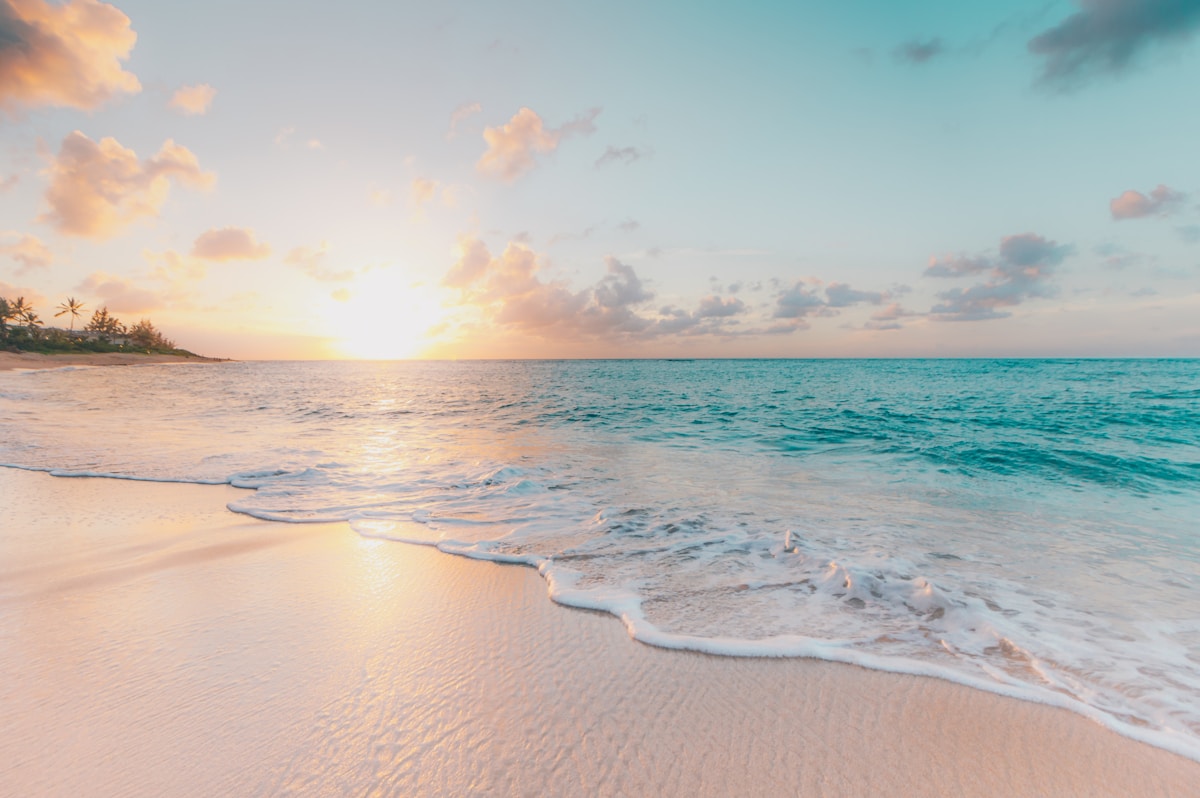
The Malé eastern waterfront (facing the Indian Ocean) at sunset — fishing boats at anchor, the horizon orange, the city sounds behind — is the finest free experience in the capital.
Try Short Eats (Hedhika)
Maldivian street food — short eats at waterfront stalls: tuna-filled snacks, coconut-mixed balls, samosa-style pastries. USD 0.50–1 each. Most authentic at the stalls near the fish market.
Malé is a Layover City
Plan Malé as a layover, not a destination. 4–6 hours covers everything — fish market, mosque, national museum, waterfront walk, local lunch. Then take your speedboat to paradise.
Dress Modestly — It's a Conservative Capital
Malé is a Muslim city and significantly more conservative than the resort islands. Women should cover shoulders and knees in public areas.